

Have you ever wondered if your plum tree will bear fruit every year? It’s a common concern for many gardeners. You plant a tree hoping for sweet, juicy plums, but what if it decides to take a break?
Understanding the fruiting habits of plum trees can help you manage your expectations and care routine. In this article, you’ll learn about the factors that influence whether your tree fruits annually. With the right knowledge, you can ensure a bountiful harvest and enjoy the fruits of your labor year after year.
Key Takeaways
- Fruiting Consistency: Plum trees may not fruit every year; factors like age, variety, and climate significantly influence their fruiting habits.
- Tree Age Matters: Young plum trees typically take 3 to 6 years to start producing consistent fruit, while older trees may experience cycles of heavy and light yields.
- Soil Quality: Healthy, well-drained soil rich in organic matter is essential for optimal fruit production; consider soil testing and appropriate amendments.
- Pollination Requirements: Many plum varieties benefit from cross-pollination; planting compatible varieties nearby increases fruit yield.
- Variety Selection: Choose annual fruiting varieties, like Santa Rosa or Burbank, for more reliable harvests, while biennial varieties might alternate in production.
- Care Practices: Implement proper pruning, fertilization, and watering techniques to create a conducive environment for consistent fruiting.
Overview Of Plum Trees
Plum trees are deciduous trees known for their delicious, edible fruit. They belong to the genus Prunus, which includes other fruit-bearing trees like cherries, peaches, and apricots. Understanding plum trees involves knowing their growth characteristics, flowering patterns, and fruiting habits.
Growth Characteristics
- Size: Plum trees can range from 15 to 30 feet tall, depending on the variety.
- Foliage: They typically have narrow, lance-shaped leaves that turn vibrant colors in autumn.
- Root System: Plum trees develop a strong and extensive root system that supports their growth.
Flowering Patterns
- Bloom Time: Plum trees usually bloom in early spring. The exact timing varies by variety and climate.
- Flower Color: Flowers can be white or pink, and they attract pollinators like bees.
Fruiting Habits
Plum trees produce fruit, but several factors influence whether they yield fruit every year:
- Age: Young trees may take 3 to 6 years before they start fruiting consistently.
- Variety: Some varieties are more reliable than others. For instance, European plums often produce more annually than Japanese ones.
- Pollination: Many plum trees require cross-pollination for better fruit yield. Planting two compatible varieties boosts your harvest.
- Choose the Right Variety: Select varieties known for consistent annual fruiting.
- Ensure Proper Pollination: Plant compatible plum varieties nearby to enhance fruit set.
- Manage Fertilization: Use a balanced fertilizer in early spring to support healthy growth and fruiting.
- Water Regularly: Plum trees need sufficient water during dry periods, especially while fruits are developing.
- Prune Correctly: Prune plum trees in late winter to encourage better air circulation and sunlight exposure.
By implementing these care tips, you can help your plum trees produce fruit more consistently.
Factors Affecting Fruiting
Several factors influence whether your plum trees produce fruit each year. Understanding these elements helps you provide better care and manage your expectations.
Recommended Products

Quick, at home results for Soil pH, Nitrogen, Phosphorous and Potash Innovative and inexpensive soil test kit features an easy-to-use capsule system and patented color comparators

KNOW BEFORE YOU GROW | Grow the healthiest, sustainable lawn and garden with the most accurate and easy to use professional soil test kit on the market

Kindly NOTE: This soil tester can not be applied to test pH value of any other liquid. If the soil is too dry the indicator will not move, and water it before testing.
Tree Age
Younger plum trees generally take a few years before they start bearing fruit. Typically, trees reach fruit-bearing age around 3 to 6 years. Older trees, aged 10 years or more, can experience cycles of heavy and light fruit production. You can expect consistent yields from mature trees if they receive proper care.
Soil Quality
Soil quality plays a crucial role in fruit production. Plums thrive in well-drained, loamy soil rich in organic matter. Conducting a soil test helps determine nutrient levels. You may need to amend the soil with compost or balanced fertilizers to boost nutrient availability. Keeping soil moisture consistent and avoiding waterlogging encourages a healthy root system, promoting better fruit yields.
Climate Conditions
Climate significantly impacts fruiting. Plum trees flourish in areas with a chilling period of 300 to 1,000 hours below 45°F during winter. If winters lack sufficient chill hours, trees may struggle to produce fruit. Additionally, late spring frosts can damage blossoms, reducing overall yields. Optimal temperatures during the growing season—ideally 70°F to 85°F—promote healthy growth and fruit set.
Understanding these factors creates a foundation for successful plum tree cultivation. By focusing on tree age, soil quality, and climate conditions, you can improve your chances of a fruitful harvest each year.
Plum Tree Varieties
Plum trees come in various types, each with distinct characteristics. Understanding these varieties helps you choose the best one for consistent fruit production.
Annual Fruiting Varieties
Annual fruiting varieties produce fruit consistently each year. Examples include:
- Santa Rosa: Known for its juicy, sweet flavor and self-fertility, it thrives in zones 5-9.
- Blue Damson: This variety offers small, tart fruit with excellent preservation qualities, ideal for jams.
- Burbank: A popular choice for its firm and flavorful plums, Burbank requires cross-pollination for best yields.
To ensure annual fruiting, provide adequate care and maintain optimal growing conditions for these varieties.
Biennial Fruiting Varieties
Biennial fruiting varieties typically alternate between years of heavy and light production. Examples include:
- Methley: This variety bears large, sweet, red plums, but you may notice inconsistent yields. Extra care during off-years helps maintain health.
- Satsuma: Renowned for its rich, sweet flavor, Satsuma often produces heavily one year and sparsely the next.
For these varieties, proper pollination and soil management are critical. Consider planting complementary varieties nearby to support better fruit set during off-years.
Care Tips For Consistent Fruiting
To achieve consistent fruiting from your plum trees, implement thoughtful care practices. These strategies directly influence your tree’s ability to produce fruit annually.
Recommended Products
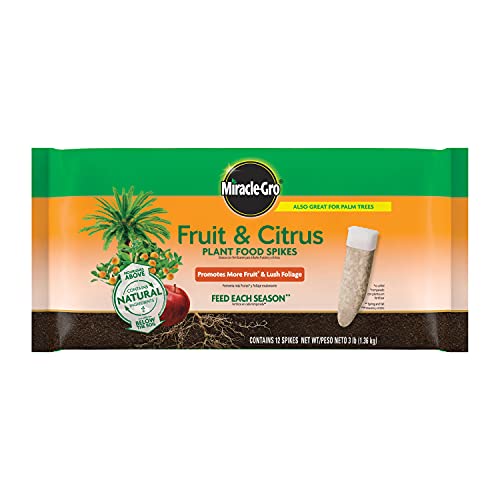
FORMULATED FOR CITRUS AND FRUIT TREES: Use these citrus fertilizer spikes on apple, orange, lemon, lime, and avocado trees; this formula is also great for feeding palm trees

Let our professionally formulated plant food help your fruit tree grow healthy, strong AND abundantly producing

LASTING COLOR: Miracle-Gro Tree & Shrub Plant Food Spikes are fertilizer spikes for trees and shrubs; they promote vibrant color and foliage for trees and shrubs in your yard
Pruning Techniques
Pruning plum trees correctly supports healthy growth and fruit production. Start by removing dead or damaged branches in late winter or early spring. Focus on establishing an open center to allow sunlight and airflow. Maintain a height that enables easy access for harvesting. Thin crowded branches to prevent disease and promote better fruit development. For younger trees, lighter pruning will encourage strong growth. For established trees, more aggressive pruning encourages larger fruit and increased yields.
Fertilization Practices
Fertilization enhances fruit set in plum trees. In early spring, apply a balanced fertilizer containing nitrogen, phosphorus, and potassium. Follow product instructions to avoid over-fertilizing, which harms trees. Regularly monitor soil nutrient levels through testing. Adjust your fertilization plan based on specific deficiencies. Consider adding organic compost to improve soil structure and nutrient content. This practice boosts microbial activity in the soil, improving nutrient uptake.
By integrating these care tips into your routine, you create a nurturing environment conducive to annual fruiting in your plum trees.
Conclusion
Growing plum trees can be a rewarding experience filled with delicious fruit. While some varieties may not produce every year, understanding their unique needs can help you encourage consistent fruiting.
By choosing the right variety and providing proper care like adequate watering and regular pruning, you can set your trees up for success. Remember to keep an eye on soil quality and climate conditions to support healthy growth.
With a little patience and attention, you’ll be on your way to enjoying a bountiful harvest from your plum trees year after year. Happy gardening!
Frequently Asked Questions
Do plum trees produce fruit every year?
Plum trees do not always produce fruit annually. Their fruiting depends on factors like tree age, variety, and pollination needs. Some varieties bear fruit consistently, while others may alternate between heavy and light production.
What factors influence fruiting in plum trees?
Key factors affecting fruiting include the age of the tree, the chosen variety, soil quality, and climate conditions. Younger trees take time to fruit, while older trees can have cycles of production influenced by environmental factors.
What soil type is best for plum trees?
Plum trees thrive in well-drained, loamy soil rich in organic matter. Conducting soil tests and amending with compost can enhance nutrient availability for optimal growth and fruit production.
What are annual and biennial fruiting varieties?
Annual fruiting varieties, like Santa Rosa and Blue Damson, produce fruit consistently every year. In contrast, biennial varieties, such as Methley and Satsuma, alternate between heavy and light production years.
How can I improve fruit production in my plum trees?
To enhance fruit production, select reliable varieties, ensure proper pollination, manage fertilization, water regularly, and practice correct pruning techniques to promote growth and fruit set.
When do plum trees bloom?
Plum trees typically bloom in early spring, attracting pollinators. Successful flowering is essential for fruit set, highlighting the need for healthy growth conditions leading up to this period.
How should I prune my plum trees?
Prune plum trees by removing dead or damaged branches and creating an open center to allow sunlight and airflow. This practice promotes healthier growth and increases fruit production.
What fertilizer should I use for plum trees?
A balanced fertilizer applied in early spring can support plum tree growth. Regularly monitoring soil nutrient levels is essential to ensure that trees receive the necessary nutrients for fruiting.
