

Are you dreaming of a backyard filled with lush fruit trees? You’re not alone! Many people want to enjoy the sweet rewards of homegrown fruit, but it all starts with the right soil preparation. Without healthy soil, your trees might struggle to thrive.
Preparing your soil properly can make all the difference in how well your trees grow and produce fruit. This article will guide you through simple steps to ensure your soil is nutrient-rich and ready for planting. With the right techniques, you’ll set the stage for a fruitful garden that you and your family can enjoy for years to come.
Key Takeaways
- Healthy Soil Is Essential: Proper soil preparation influences nutrient availability, drainage, root development, and overall tree health, crucial for successful fruit production.
- Conduct Soil Testing: Assess your soil’s nutrient content and pH levels using a soil test kit to identify deficiencies and necessary amendments.
- Amend the Soil: Enrich soil by adding compost, organic fertilizers, and adjust pH if needed to create a nutrient-rich environment for fruit trees.
- Ensure Proper Drainage: Good drainage prevents root rot; consider location and soil amendments to improve water flow away from tree roots.
- Sunlight and Location Matter: Choose a planting site with 6-8 hours of direct sunlight daily to support growth and fruit development.
- Gather Necessary Tools: Collect tools like a soil test kit, compost, tiller, and mulch to effectively prepare the soil for planting fruit trees.
Importance Of Soil Preparation For Fruit Trees
Soil preparation plays a vital role in the successful growth of fruit trees. Healthy soil directly influences factors like nutrient availability, drainage, and root development, impacting overall tree health and fruit production.
Nutrient Availability
Nutrient-rich soil supports fruit tree growth. Essential nutrients include nitrogen, phosphorus, and potassium. Testing soil helps identify nutrient deficiencies. You can amend the soil with compost or specific fertilizers to enhance nutrient levels.
Soil Structure
Well-structured soil allows water and air to reach tree roots. Compacted soil restricts root growth and limits access to nutrients. Loose, well-aerated soil encourages healthy root development and enables trees to absorb moisture more efficiently.
pH Level
Soil pH affects nutrient uptake. Most fruit trees thrive in slightly acidic to neutral pH levels (around 6.0 to 7.0). Testing the pH ensures that you adjust it if necessary. You can use lime to raise pH or sulfur to lower it.
Drainage
Proper drainage prevents waterlogging, which can lead to root rot. If the soil retains too much water, consider incorporating organic matter or sand to improve drainage. Raised beds or mounds can also help if drainage issues persist.
Microbial Activity
Soil microbiome health is crucial for nutrient cycling. Beneficial microbes break down organic matter, releasing nutrients for tree uptake. You can promote microbial activity by adding compost or mulch.
By understanding and addressing these factors, you create an ideal environment for your fruit trees to thrive. Healthy soil lays the foundation for vibrant growth and abundant fruit production.
Steps To Prepare Soil For Planting Fruit Trees
Preparing soil for planting fruit trees involves a few crucial steps. You’ll create a foundation that supports healthy growth and abundant harvests.
Recommended Products

Accurate Soil pH Testing: Dewildetradingco Soil pH Test Strips offer measurements of soil pH levels (pH 3.5-9). As an essential tool for every gardener and grower, these test strips help determine the optimal pH for various plants, such as outdoor plants, indoor plants, gardens, grass lawns, fruit trees, flowers, vegetables, and forest shrubs.

Kindly NOTE: This soil tester can not be applied to test pH value of any other liquid. If the soil is too dry the indicator will not move, and water it before testing.

KNOW BEFORE YOU GROW | Grow the healthiest, sustainable lawn and garden with the most accurate and easy to use professional soil test kit on the market
Testing Soil Quality
Testing your soil quality helps determine its nutrient content and pH level. Start by purchasing a soil test kit from a garden center. Follow these steps:
- Collect Samples: Gather samples from various spots in your planting area for accuracy.
- Mix Samples: Combine the samples in a clean container. Remove debris like rocks or roots.
- Test: Use the kit as directed to measure pH and nutrient levels. Most fruit trees thrive in soil with a pH between 6.0 and 7.0.
The results will indicate your soil’s needs. If nutrient deficiencies exist, note them as you’ll need this information for the next step.
Amending The Soil
Amending your soil enriches it with the necessary nutrients for fruit trees. Based on your soil test results, you can apply amendments effectively.
- Add Compost: Spread a layer of compost, about 2 to 3 inches thick, over the soil. This improves soil structure and adds essential nutrients.
- Incorporate Fertilizers: If your test shows deficiencies, add organic fertilizers like bone meal for phosphorus or blood meal for nitrogen according to label instructions.
- Adjust pH: Use lime to raise pH or sulfur to lower it, ensuring you reach the optimal level for fruit trees.
- Tilling: Mix the amendments into the top 12 inches of soil using a garden fork or a tiller. Loose, aerated soil promotes root growth.
After amending, give the soil time to settle, ideally a few weeks, before planting. This preparation sets your fruit trees up for success.
Choosing The Right Location
Choosing the right location for your fruit trees plays a crucial role in their growth and productivity. Key factors include sunlight exposure and drainage, which significantly impact the health of your trees.
Recommended Products

4 kinds of the most popular fruits, individually packaged, 50pcs Lemon seeds 50pcs Cherry seeds 50pcs Orange seeds 50pcs Apple seeds Fresh seeds, all fruit seeds are packed in tear and moisture resistant zipper sealed bags for your long term storage.


Ideal for backyard gardens in warm climates with full sun and good drainage; no ship to HI, PR, AK, CA
Sunlight Requirements
Fruit trees thrive in full sunlight. Aim for a location that receives at least six to eight hours of direct sunlight per day. This exposure promotes photosynthesis, leading to healthy growth and fruit development. Observe your yard throughout the day to pinpoint sunlit areas. Avoid planting near tall structures or trees that could cast shade, limiting light access.
Drainage Considerations
Proper drainage is essential to prevent waterlogged soil. Fruit trees prefer well-drained soil, as excess water can lead to root rot and other issues. Test the drainage by digging a hole about 12 inches deep in your desired location. Fill it with water and observe how quickly it drains. If the water remains after a few hours, consider improving drainage by mixing in organic matter or building raised beds. Ensure that water flows away from the tree roots effectively to create a healthy environment.
Tools And Materials Needed
To effectively prepare your soil for planting fruit trees, gather the following tools and materials:
Recommended Products

Quick, at home results for Soil pH, Nitrogen, Phosphorous and Potash Innovative and inexpensive soil test kit features an easy-to-use capsule system and patented color comparators

Comprehensive Soil Analysis: Liquid soil test kits offer a comprehensive analysis of essential soil parameters, including pH, ammonia, nitrogen, phosphorus, and potassium. Having all these measurements in one kit provides a holistic understanding of the soil's fertility and health.
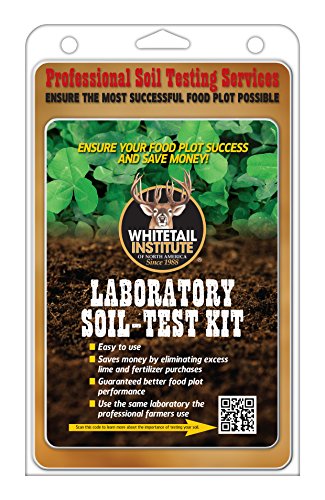
ENSURE the most SUCCESSFUL food plot possible
Soil Test Kit
- Purpose: Assess nutrient levels and pH.
- Details: Follow instructions closely for accurate results.
Compost
- Purpose: Enrich soil with organic matter.
- Details: Use well-rotted compost to improve nutrient content and soil texture.
Organic Fertilizers
- Purpose: Address specific nutrient deficiencies.
- Details: Apply according to the recommendations from your soil test results.
Tiller or Shovel
- Purpose: Mix amendments into the soil.
- Details: Ensure you till the top 12 inches of soil to promote healthy root growth.
Rake
- Purpose: Level the soil surface.
- Details: Smooth out any clumps or debris after tilling.
Water Hose or Sprinkler
- Purpose: Moisturize the soil.
- Details: Watering helps settle amendments and prepares the soil for planting.
Mulch
- Purpose: Retain moisture and suppress weeds.
- Details: Apply organic mulch around the base after planting.
- Purpose: Protect your hands while working.
- Details: Choose durable gloves for comfort and safety.
By collecting these tools and materials, you set yourself up for success in planting healthy fruit trees. Each item plays a crucial role in creating an ideal environment for your trees to thrive.
Conclusion
Preparing your soil for fruit trees is a rewarding investment in your garden’s future. By taking the time to test and amend your soil you’ll create a thriving environment for your trees. Remember to focus on nutrient availability drainage and the right pH levels to support healthy growth.
With the right tools and a little patience you can ensure your fruit trees have the best start possible. As you watch them grow and eventually bear fruit you’ll appreciate the effort you put into preparing the soil. Happy planting and here’s to a fruitful harvest ahead!
Frequently Asked Questions
Why is soil preparation important for fruit trees?
Proper soil preparation is crucial because it ensures healthy soil, which directly affects the growth and fruit production of trees. Nutrient-rich, well-structured soil with the right pH and drainage allows roots to access necessary resources, promoting overall tree health.
How can I test my soil quality?
You can test your soil quality by using a soil test kit, which typically involves collecting samples from different areas in your garden. Follow the kit’s instructions carefully to determine nutrient levels and pH, helping you know what amendments are needed.
What type of amendments might my soil need?
Depending on your soil test results, you may need to add compost to enhance nutrients, organic fertilizers to address deficiencies, or materials to adjust the pH. Tilling these amendments into the top 12 inches of soil is recommended.
How do I know if my soil has good drainage?
To assess drainage, perform a simple test by digging a hole about 12 inches deep, filling it with water, and measuring the drainage time. If water drains completely in a few hours, your soil has good drainage; if it takes longer, you may need to improve it.
What tools do I need for soil preparation?
Essential tools for soil preparation include a soil test kit, compost, organic fertilizers, a tiller or shovel, a rake, a water hose or sprinkler, mulch, and gloves. Each tool assists in assessing conditions and enriching your soil effectively.
How long should I let the soil settle after amending?
After amending the soil, it’s best to let it settle for a few weeks before planting. This allows the amendments to integrate well and provides a stable foundation for your fruit trees to grow and thrive.
