

Have you ever dreamed of stepping into your backyard and picking fresh, juicy red raspberries straight from the vine? Picture yourself savoring the sweet, tangy flavor of homegrown berries bursting with goodness. If you’re nodding along, eager to make this vision a reality, then learning how to plant red raspberries is your next exciting adventure.
Imagine having a bountiful supply of vibrant red raspberries at your fingertips, ready to elevate your morning yogurt or top off a decadent dessert. With just a bit of guidance and know-how, you can cultivate your own raspberry patch and enjoy the fruits of your labor – quite literally! This article will walk you through the simple steps needed to plant red raspberries successfully, turning your garden into a thriving oasis of deliciousness.
Key Takeaways
- Red raspberries come in summer-bearing and everbearing varieties, each with unique characteristics affecting harvesting schedules.
- Plant red raspberry bushes in early spring or late fall for optimal growth and fruit production.
- Choose a sunny location with good drainage and air circulation when preparing to plant red raspberries.
- Test soil pH, add organic matter, space plants properly, water adequately, and provide support for successful red raspberry planting.
- Prune raspberry canes annually for healthier plants and larger fruits; monitor pests and diseases regularly for effective management.
Understanding the Basics of Red Raspberries
When it comes to planting red raspberries, understanding the fundamentals is key. Here’s a breakdown of essential information to help you get started:
Types of Red Raspberry Plants
Red raspberries come in different varieties, each with its unique characteristics. The two main types are summer-bearing and everbearing red raspberries.
- Summer-Bearing Red Raspberries: These plants produce fruit once a year during the summer months. They offer a concentrated harvest over a few weeks, making them ideal for preserving or enjoying fresh.
- Everbearing Red Raspberries: As the name suggests, these plants bear fruit twice a year—first in summer and then again in fall. This variety provides an extended harvesting period, allowing for multiple yields.
Understanding the type of red raspberry plant you have will help you plan your garden maintenance and harvesting schedule effectively.
Best Time to Plant Red Raspberries
Timing is crucial when it comes to planting red raspberries for optimal growth and yield. The best time to plant red raspberry bushes is in early spring or late fall when the soil is workable.
- Early Spring Planting: Planting in early spring allows the roots to establish before the hot summer months, promoting strong growth.
- Late Fall Planting: Fall planting gives the roots time to develop before winter dormancy sets in, leading to earlier fruit production in the following growing season.
By aligning your planting schedule with seasonal cues, you set your red raspberry plants up for success from the start.
Preparing for Planting
When it comes to planting red raspberries, proper preparation is key to ensure a successful harvest. Here are some essential steps to take before you start planting your red raspberry bushes:
Recommended Products
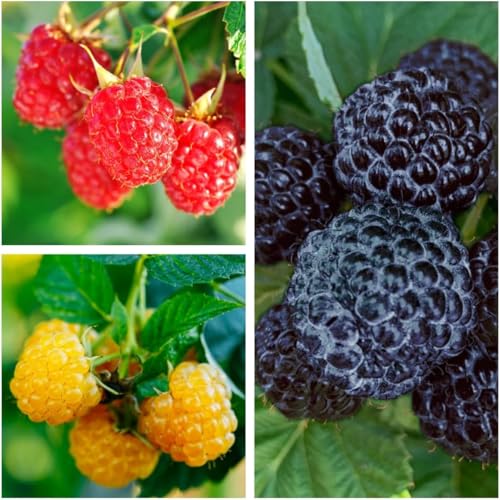
Easy to plant: Place raspberry seeds 1 inch apart on the surface of seed starting compost. Squeeze seeds. Cover seeds with a very thin layer of medium-coarse sand

Benefits of gardening: a low-cost way to become a self-sustaining family. Take care of your soil and it will take care of you. You may create a self-sufficient garden while positively impacting your physical and mental health. Be good to yourself and to the earth.

Sunlight Needs : Full sun (6-8 hours daily for best fruit production)
Choosing the Right Location
Selecting the ideal location for your red raspberry plants is crucial for their growth and productivity. Here’s what you need to consider when choosing a spot:
- Sunlight: Red raspberries thrive in full sunlight, so pick a location that receives at least 6-8 hours of direct sunlight daily.
- Soil Drainage: Ensure the soil has good drainage to prevent waterlogging, which can harm the roots of the raspberry plants.
- Air Circulation: Opt for a site with good air circulation to reduce the risk of diseases that thrive in humid conditions.
Soil Preparation Tips
Preparing the soil correctly sets the foundation for healthy raspberry plants. Follow these tips to get your soil ready for planting:
- pH Levels: Test the soil pH; red raspberries prefer slightly acidic soil with a pH range of 5.5-6.5.
- Amendments: Add organic matter like compost or well-rotted manure to improve soil structure and fertility.
- Weed Control: Clear the area of weeds before planting as they can compete with raspberry bushes for nutrients.
Planting Process
When it comes to planting red raspberries, the process can be straightforward if you follow these essential steps.
Recommended Products

🌹2 in 1 Garden Trellis -- Our plant trellis can be configured into 2 types of trellising (panel trellis & plant cage), and you also can place 2 or most panels together to form a larger trellis panel or cage. Adjustable structure plant stakes can meet your different plant supports need.

High-quality material: Our tomato twist stake trellis is made of high-quality steel wire with coating on the surface, smooth to the touch, and not easy to rust after long-term use. Sturdy steel wire is not easy to break and bend, enough to provide stable support for plants

Plants Trellis Indoor Set: The package includes 2 packs of garden trellises and 50 plant ties, the size of the plant stakes are about 12.6 inches * 5.7 inches / 32 cm * 14.5 cm, and the length of the plant ties is 5.9 inches / 15 cm
Step-by-Step Guide to Planting
To plant red raspberries successfully, follow this simple step-by-step guide:
- Select a Suitable Location: Choose a spot with full sun exposure for at least 6 hours a day. Ensure good air circulation to prevent diseases.
- Prepare the Soil: Test the soil pH and aim for a slightly acidic range of 5.5-6.5. Add organic matter like compost or aged manure to improve fertility.
- Planting Red Raspberries: Dig holes deep enough to accommodate the roots without bending them. Space plants 2-3 feet apart in rows separated by 8 feet.
- Watering Newly Planted Raspberries: After planting, water thoroughly to help establish roots. Keep the soil consistently moist but not waterlogged.
- Mulch and Support: Apply a layer of mulch around plants to retain moisture and suppress weeds. Install trellises or stakes for support as they grow.
- Pruning and Maintenance: Prune raspberry canes in late winter or early spring before new growth appears to encourage fruit production.
Watering and Fertilizing Newly Planted Raspberries
Proper watering and fertilizing are crucial for the health and productivity of your newly planted raspberry bushes.
- Watering Tips:
- Water deeply once a week during dry spells, ensuring the root zone is adequately hydrated.
- Avoid overhead watering to prevent fungal diseases; instead, use drip irrigation or soaker hoses at ground level.
- Fertilizing Guidelines:
- In the first year, avoid heavy fertilization; apply a balanced fertilizer in early spring after growth begins.
- For subsequent years, fertilize in early spring with nitrogen-based fertilizer according to package instructions.
Maintaining Your Red Raspberry Plants
After planting your red raspberry bushes, proper maintenance is crucial for healthy growth and abundant fruit production. Here are essential tips to help you care for your plants effectively:
Recommended Products

Everbearing Variety: Enjoy two harvests of sweet, delicious red raspberries each year with this Heritage variety that produces fruit in both summer and fall, providing you with an extended harvest season for fresh berries throughout the growing months

Gorgeous and Productive: Adorn your garden with the vibrant beauty of raspberry canes while enjoying their high productivity, ensuring an impressive display and a fruitful harvest.

Seed Raspberry Fruit Seeds for Planting Outdoor-Non-GMO Heirloom Sweet Rare Red Raspberry Fruit Plant in Your Home Garden
Pruning Techniques
To ensure the vitality of your red raspberry plants, regular pruning is key. Follow these simple steps to maintain the health and productivity of your bushes:
- Annual Pruning: Trim back any dead or damaged canes annually during the dormant season.
- Summer Pruning: Remove any weak or excess canes during the summer months to encourage better airflow and sunlight penetration.
- Thinning Out: Thin out the canes to about 4–6 inches apart to promote stronger growth and larger fruits.
By following these pruning techniques, you’ll help your red raspberries thrive and produce bountiful harvests year after year.
Pest and Disease Management
Protecting your red raspberry plants from pests and diseases is essential for their overall well-being. Here’s how you can effectively manage common issues:
- Pest Control: Keep an eye out for common pests such as aphids, spider mites, and Japanese beetles. Utilize natural remedies like neem oil or insecticidal soap to control infestations.
- Disease Prevention: Prevent fungal diseases like powdery mildew by ensuring good air circulation around the plants. Avoid overhead watering that can lead to leaf wetness, promoting disease development.
- Regular Monitoring: Inspect your plants regularly for any signs of pest damage or disease symptoms. Early detection allows for prompt treatment, minimizing potential harm.
By implementing these pest management practices and staying vigilant against diseases, you’ll safeguard your red raspberry plants’ health and maximize their fruit-bearing potential.
Conclusion
Planting red raspberries can be a rewarding experience that yields delicious fruits for you to enjoy. By following the steps outlined in this guide, you’re on your way to creating a thriving raspberry patch in your backyard. Remember to provide the right conditions, from ample sunlight to well-draining soil, for your raspberry plants to flourish. Proper care, including pruning and maintenance, is key to ensuring a bountiful harvest each season. Keep an eye out for pests and diseases by regularly inspecting your plants and taking necessary precautions. With patience and dedication, you’ll soon be able to savor the sweet taste of homegrown red raspberries picked fresh from your own garden. Happy planting!
Frequently Asked Questions
What are the key factors to consider when planting red raspberries?
When planting red raspberries, consider choosing a sunny location with well-drained soil. It is essential to select the appropriate plant variety and ensure proper spacing for optimal growth.
Can you provide a step-by-step guide for planting red raspberries?
Prepare the soil by removing weeds and adding organic matter. Plant the raspberries in rows with adequate spacing, water them thoroughly, mulch around the plants, and install supports if needed for vertical growth.
Why is pruning important for red raspberry plants?
Pruning helps maintain plant health, improve fruit production, and manage plant size. Annual pruning promotes new growth and larger fruit, while summer pruning removes dead canes and encourages airflow.
How can I effectively manage pests and diseases in my red raspberry plants?
Utilize natural remedies like neem oil or insecticidal soap for pests. Ensure good air circulation to prevent fungal diseases and regularly inspect plants for signs of pests or diseases. Early detection is crucial for effective management.
