

Have you ever watched your prized fruit trees get stripped bare by birds and pests? It’s frustrating to put in all that effort only to see your hard work go to waste. You’re not alone—many gardeners face the same battle when it comes to protecting their harvest.
Key Takeaways
- Protect Your Harvest: Netting helps keep birds and pests away from your fruit trees, significantly reducing the risk of crop loss.
- Timing is Crucial: Apply netting when fruits begin to ripen and during peak pest seasons, typically in spring and summer.
- Choose the Right Netting: Depending on your specific pest issues, select appropriate netting—bird netting for larger birds and insect netting for smaller insects.
- Proper Installation Matters: Ensure the net is large enough to cover the entire tree, securely fastened at the edges to prevent pests from entering.
- Regular Maintenance: Inspect netting weekly for any damage and make seasonal adjustments to accommodate tree growth and changing conditions.
- Pruning and Cleaning: Prior to netting, prune your trees and clean the surrounding area to deter pests and promote healthier growth.
Understanding The Need For Netting
Netting large fruit trees protects your hard work from damage caused by birds and pests. Birds, such as robins, starlings, and crows, feast on ripe fruits, leaving behind nothing for you. Pests, including insects like aphids and fruit flies, can infest trees, leading to significant crop loss.
Benefits of Netting
- Fruit Preservation: Netting allows fruits to ripen without disturbance, ensuring a higher yield.
- Pest Control: Netting creates a barrier against insects, reducing the need for chemical treatments.
- Cost-Effectiveness: Investing in netting is often cheaper than losing entire crops during harvest.
When To Use Netting
- During Fruit Ripening: Apply netting as fruits start to mature, which typically occurs weeks before harvest.
- In Specific Seasons: Use netting in spring and summer when birds and pests are most active.
Types of Netting
- Bird Netting: Lightweight and designed for air circulation, bird netting effectively deters birds without harming them.
- Insect Netting: Finer mesh traps small insects without restricting airflow.
- Choose the Right Size: Make sure the netting is large enough to cover the entire tree.
- Secure the Edges: Weigh down the edges with stones or soil to prevent animals from getting underneath.
- Check Regularly: Inspect the netting often for damage or holes to maintain protection.
Netting is a simple, effective method for safeguarding your fruit trees, allowing you to enjoy the fruits of your labor.
Selecting The Right Netting Material
Choosing the right netting material is crucial for effectively protecting your large fruit trees. The netting you select should match your specific gardening needs as well as the types of pests you face.
Recommended Products

Size: Deer netting size 7 feet x 100 feet; garden netting mesh size 3/4"; color: black; Easy to use accessories included: 10pcs installation nails & 50pcs cable ties

Product Specification: 1 Piece Garden Netting.Our Netting for Garden Protection Has 3 Sizes: 4Ftx10Ft, 10Ftx20Ft, 10Ftx30Ft. Ultra Fine Plant Netting Mesh Hole 0.8mm x 1mm.
Types Of Netting Available
- Bird Netting: This netting features larger holes and is designed to keep birds out. Use it if robins or crows are your main concerns.
- Insect Netting: With finer mesh, this netting prevents smaller pests like aphids and fruit flies from reaching your fruit. Ideal for gardens prone to these insects.
- Heavy-Duty Netting: Stronger netting is available for larger trees or areas with severe pest problems. This option withstands harsher environments and can last multiple seasons.
- Lightweight Netting: Easy to install, this netting works for casual gardeners or temporary measures. It’s simple to apply and remove as needed.
- Mesh Size: Choose mesh size based on the pests you need to deter. Larger pests need bigger holes, while smaller insects require finer mesh.
- Durability: Select netting made from weather-resistant materials. Look for UV-treated options to prevent degradation from sunlight.
- Ease of Installation: Consider netting that can be easily draped or secured without complicated setups. Quick installation saves time and effort.
- Cost: Balance your budget with the effectiveness of the netting. Evaluate the price against the level of protection you require.
- Color: Dark-colored netting blends better with the environment and is often less visible. Light-colored netting may increase visibility but can deter pests less effectively.
By carefully selecting your netting material, you can enhance your efforts to safeguard your fruit trees. This proactive approach leads to healthier harvests and reduces crop loss from unwanted pests.
Preparing The Fruit Trees For Netting
Ensuring your fruit trees are ready for netting enhances protection against pests and birds. Follow these steps to prepare your trees effectively.
Recommended Products

Effective Pest Protection: Designed with a dense fine mesh and tight weave, keeps insects, birds, and small animals away from your fruits and vegetables, prevents them eating and damaging your fruit
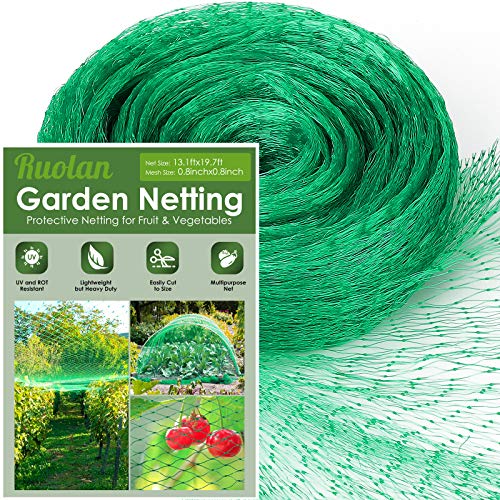
【Perfect size】(Garden Netting size 13ftX20ft, Mesh Size 0.8inchX0.8inch), Protect fruit tree plant blueberry strawberry from animals

【Quality Material】Made of sturdy fabric and PE material, the bird barrier netting mesh is lightweight and durable, providing a good growth condition for the plants with its tightness feature.
Pruning Techniques
Pruning is vital for healthy fruit trees. Focus on these techniques:
- Remove Dead Wood: Cut away any dead or diseased branches to promote new growth.
- Thin Excess Growth: Space out branches to allow sunlight penetration and air circulation. This helps prevent disease and encourages fruit development.
- Shape the Canopy: Create an open structure that enables easy access for netting later. A balanced canopy also aids in fruit quality.
Prune during the dormant season, typically late winter or early spring, prior to netting. This ensures minimal disturbance to the tree’s growth cycle.
Cleaning The Surrounding Area
A clean area around your fruit trees deters pests. Take these steps:
- Clear Debris: Remove fallen leaves, fruit, and plant material. Debris can harbor pests and diseases.
- Mow Grass: Keep grass short near your trees to reduce hiding spots for pests. This promotes better visibility and easier access.
- Check for Weeds: Eliminate weeds that compete for nutrients and moisture. Weeds can also attract pests, impacting your fruit crop.
Cleaning around your trees before netting creates an inhospitable environment for pests, enhancing overall tree health.
Techniques For Netting Large Fruit Trees
Proper netting techniques enhance the effectiveness of protecting your large fruit trees from birds and pests. Follow these methods to secure your harvest.
Recommended Products

Extra Large Coverage: 15ft x 15ft bird netting offers full protection for large fruit trees and plants.

【Effective Protection for Fruits & Vegetables】 You get two 5x3.28ft garden protection nets with ultra-dense 0.6cm mesh. This bird netting for garden protects against birds, squirrels, mice, and insects. Use it as fruit tree netting for your orchard or plant covers for blueberry bushes, tomato plants, cherry, peach, apple trees, and raised beds -a complete pest barrier for your harvest.

Protect Your Vegetables and Fruits: LCHUANG Garden Netting is great for orchards, greenhouses, gardens, nurseries, patios, and shrubs. This Bird Netting with a zipper can protect blueberries, tomatoes, trees, fruits, flowers, vegetables, and potted plants from insects, birds, and bugs, which helps the plants grow normally.
Step-By-Step Netting Process
- Measure the Tree: Start by measuring the height and width of your tree. Ensure you choose netting that covers the entire canopy without gaps.
- Choose the Right Net: Select a net appropriate for the pests in your area. Use bird netting for birds and insect netting for smaller pests.
- Cut the Net: Cut a section of netting large enough to drape over the tree. Leave extra material to secure the edges.
- Drape the Net: Carefully drape the net over the top of the tree. Avoid snagging branches or damaging the fruit.
- Secure the Base: Gather the edges of the net at the base of the tree. Ensure there are no gaps where pests can enter.
- Check for Damage: Inspect the net regularly for tears or holes. Repair or replace damaged netting immediately to maintain protection.
- Use Weights: Place weights on the net perimeter to keep it grounded. Rocks or bricks work well to prevent the net from blowing away.
- Tie Down Loose Ends: Tie down the loose edges of the net with garden twine or wire. This secures the net against wind and pests.
- Avoid Tightness: Don’t pull the net too tightly. Allow some slack to prevent damage to the tree branches during wind or growth.
- Consider Anchors: For larger trees, use stakes to anchor the net more firmly. This offers additional stability against strong winds.
- Inspect Regularly: Check the net at least once a week during the fruiting season. Quick repairs ensure ongoing protection.
By following these techniques, you’ll effectively safeguard your large fruit trees, resulting in better yields and healthier fruits.
Maintenance And Care For Nets
Regular inspections and seasonal adjustments ensure that your netting remains effective in protecting your large fruit trees. Both practices enhance the longevity of the net and maintain its protective qualities against pests and birds.
Regular Inspections
Inspect your netting every week during the fruiting season. Check for holes, tears, or gaps that pests could exploit. Look for loose sections that may need tightening or securing. Keep an eye on the edges to ensure they stay anchored and prevent birds from getting trapped. If you spot any damage, repair it promptly with netting repair tape or patches designed specifically for this purpose. Regular maintenance not only prolongs the netting’s lifespan but also ensures your efforts in protecting your fruit trees yield results.
Seasonal Adjustments
Adjust your netting as seasons change to accommodate growth and varying pest activity. Remove netting after harvest to let your trees breathe. This practice also prevents mold and pests from settling in. In early spring, reapply the netting as flowers start to bloom. For heavier pests or during high-activity seasons, consider doubling the netting or using heavier materials for increased effectiveness. Adjust the height of the net as your tree grows to provide ample coverage. By making these seasonal adjustments, you improve the overall health of your trees while maximizing your fruit harvest.
Conclusion
Netting your large fruit trees is a game changer for protecting your hard-earned harvest. By taking the time to choose the right netting and prepare your trees, you’re setting yourself up for success. Regular maintenance and seasonal adjustments ensure your nets stay effective throughout the growing season.
With these steps in place, you can enjoy the fruits of your labor without worrying about pesky birds and insects. So grab that netting and get started—you’ll be thrilled with the results when it’s time to harvest your delicious fruits. Happy gardening!
Frequently Asked Questions
What is the main reason gardeners use netting on fruit trees?
Netting is primarily used to protect fruit trees from birds and pests that can damage the fruit. It helps preserve the harvest and minimizes crop loss by acting as a barrier against common threats like robins, crows, aphids, and fruit flies.
When should I apply netting to my fruit trees?
Netting should be applied during the fruit ripening stage, particularly in spring and summer when birds and pests are most active. Timing the application correctly ensures maximum protection for your fruit.
What types of netting are recommended for fruit trees?
Different types of netting can be used based on the pests you are combating. Bird netting is suitable for larger pests, while insect netting is best for smaller ones. Heavy-duty netting is useful for severe infestations, and lightweight netting can be used for casual gardening.
How do I choose the right netting for my fruit trees?
When selecting netting, consider factors like mesh size, durability, ease of installation, cost, and color. Match your netting choice with specific gardening needs and the types of pests prevalent in your area.
What steps should I take to prepare my fruit trees for netting?
Preparation involves pruning techniques such as removing dead wood and thinning excess growth, done during the dormant season. Additionally, clean the surrounding area to deter pests and promote overall tree health.
What is the process for effectively netting large fruit trees?
To net large fruit trees, measure the tree, select and cut the appropriate net, drape it over, secure the base, and regularly check for damage. Use weights and avoid tightness to prevent branch damage.
How often should I inspect and maintain my netting?
Inspect your netting weekly during the fruiting season for holes or tears, and repair any damage promptly. Seasonal adjustments should also be made after harvest to prevent mold and pests while accommodating tree growth.
