


If your walnut tree is showing signs of disease, don't worry! You can manage walnut tree diseases organically and effectively.
With a few simple techniques, you can protect your tree and keep it healthy and productive. By using natural methods, you can fight current diseases and prevent future ones, leading to a thriving walnut tree.
Key Takeaways
- Early detection of walnut tree diseases is crucial for effective management and treatment.
- Focus on soil health by regularly amending with organic matter and incorporating organic practices to support the tree's immune system.
- Implement natural pest control measures, such as encouraging natural predators and using insecticidal soaps and horticultural oils.
- Utilize natural remedies like neem oil, copper solution, garlic spray, and compost tea to control walnut tree diseases and reduce the need for harsh chemicals.
Identifying Common Walnut Tree Diseases
To identify common walnut tree diseases, carefully examine the leaves, branches, and trunk for any signs of discoloration, spots, or unusual growths. Early detection is crucial to effectively manage and treat diseases before they cause significant damage.
Keep an eye out for common diseases such as walnut blight, anthracnose, and bacterial leaf scorch. Look for wilting, yellowing, or browning of leaves, as well as small lesions or cankers on branches.
It's also important to consider planting disease-resistant varieties to minimize the risk of infections. Disease-resistant varieties are bred to withstand common walnut tree diseases, reducing the need for intensive management and chemical treatments.
Recommended Products
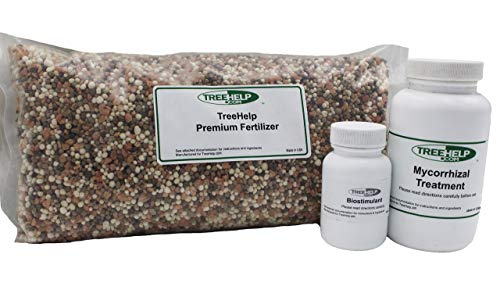
Not Available for Sell in WA, USA

For sale are 2 Black Walnut trees that are approximately 10-16" tall

This listing is for 2 Black Walnut trees that are approximately 18-24" tall and shipped bareroot
Implementing Organic Disease Prevention Measures
Consider incorporating natural disease prevention measures to maintain the health of your walnut trees organically.
By focusing on soil health and effective pest control, you can create an environment that minimizes the risk of diseases affecting your walnut trees.
- Soil health: Regularly amend the soil with organic matter to improve its structure and fertility. Healthy soil supports strong root systems, which in turn helps the trees resist diseases.
- Pest control: Encourage natural predators like ladybugs and lacewings, as well as beneficial nematodes, to keep pest populations in check. Additionally, use insecticidal soaps and horticultural oils to control pests without harming beneficial insects.
Recommended Products

READY-TO-USE CONTACT SPRAY: No mixing required. Thoroughly spray insecticide on all plant parts, including the underside of leaves. Pests must be sprayed directly to achieve control

PEST DEFENSE - Insecticidal Super Soap controls species of adelgid, ant, aphid, borer, caterpillar, spider mite, cricket, chinch bug, weevil, fly, thrip, & more.

EASY TO USE: The ready-to-use indoor bug spray bottle makes application easy
Using Natural Remedies for Walnut Tree Diseases
Improve the health of your walnut trees by utilizing natural remedies to combat diseases effectively. Taking a holistic approach to tree care can help maintain a balanced ecosystem and reduce the need for harsh chemicals. Here are some natural remedies you can use to keep your walnut trees healthy:
| Natural Remedy | Effectiveness |
|---|---|
| Neem Oil | Controls fungal diseases |
| Copper Solution | Manages bacterial infections |
| Garlic Spray | Acts as a natural insecticide |
| Compost Tea | Boosts tree immunity |
These natural remedies offer effective ways to manage walnut tree diseases without relying on synthetic chemicals. By incorporating these remedies into your tree care routine, you can promote a healthier environment for your walnut trees while minimizing the impact on the ecosystem.
Recommended Products

Protect your oasis with 3 garden products in 1 from Captain Jack’s; Captain Jack’s Ready-to-Use Neem Oil spray for plants is a multi-purpose fungicide, insecticide and miticide for your lawn and garden

INSECT KILLER: BioAdvanced Organics Brand Neem Oil spray controls aphids, whiteflies, spider mites, and other listed pests
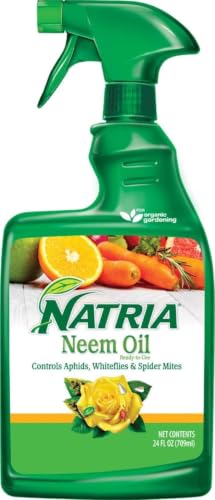
PLANT DISEASE CONTROL: Natria Neem Oil acts as an insecticide and fungicide in one convenient spray; Ready-to-use trigger sprayer requires no mixing
Proper Nutrient Management for Disease Resistance
As you continue to prioritize the health of your walnut trees through natural remedies, proper nutrient management plays a crucial role in enhancing disease resistance and overall tree vitality. Nutrient absorption and soil health are essential factors to consider for promoting the well-being of your walnut trees.
Here are some key points to keep in mind:
- Balanced Fertilization: Providing the right balance of nutrients, including nitrogen, phosphorus, and potassium, is vital for supporting the tree's immune system and overall resilience against diseases.
- Organic Matter: Incorporating organic matter into the soil helps improve its structure, fertility, and water retention, which in turn promotes better nutrient absorption by the walnut trees.
- Soil Testing: Regular soil testing allows you to assess the nutrient levels and pH of the soil, enabling you to make informed decisions about nutrient management to enhance disease resistance and overall tree health.
Maintaining Organic Practices for Long-Term Disease Control
To ensure long-term control of diseases in your walnut trees, consistently implementing organic practices is essential for maintaining their health and vitality. Focusing on soil health and effective pest management is crucial for sustaining the overall well-being of your walnut trees. By nurturing the soil, you create a strong foundation for the trees to resist diseases and thrive. Additionally, practicing integrated pest management techniques such as promoting beneficial insect habitats and using natural predators can help control harmful pests without compromising the organic integrity of your walnut trees.
| Benefits of Organic Practices | Emotional Response |
|---|---|
| Enhanced soil fertility | Satisfaction and pride in nurturing the land |
| Reduced environmental impact | Peace of mind and harmony with nature |
| Healthier trees and nuts | Joy and fulfillment in producing quality harvests |
| Support for local ecosystems | Connection and stewardship towards the environment |
Conclusion
Incorporate natural remedies and proper nutrient management to maintain the health of your walnut trees organically. By consistently following organic practices, you can ensure long-term disease resistance and keep your walnut trees healthy and thriving for years to come.
Remember, a proactive approach to disease prevention is key to the overall well-being of your walnut trees.
