

Have you ever wondered how to grow your own lime tree and enjoy fresh fruit right from your backyard? It’s a satisfying experience that not only adds flavor to your meals but also brings a touch of greenery to your space.
Key Takeaways
- Types of Lime Trees: Familiarize yourself with different varieties like Persian, Key, Kaffir, and Calamondin limes, as each has unique characteristics and growing requirements.
- Optimal Growing Conditions: Lime trees thrive in warm temperatures (70°F to 85°F), require well-drained soil with a pH of 6 to 7, and need at least 8 hours of sunlight daily.
- Watering and Fertilization: Implement deep watering once a week and fertilize every 6 to 8 weeks with a balanced fertilizer during the growing season to promote healthy growth and fruit production.
- Proper Pruning: Prune your lime tree in early spring to remove dead or diseased branches and enhance air circulation, contributing to a balanced and fruitful tree.
- Harvesting Techniques: Recognize ripe limes by their vibrant color, firmness, and aroma; use pruning shears and twist the fruit gently for care during harvesting.
- Storage Tips: After harvesting, store limes in a cool, dry place away from direct sunlight to prolong freshness and maximize shelf life.
Understanding Lime Trees
Lime trees thrive in warm climates and provide fresh, tangy fruits perfect for various culinary uses. Knowing the types of lime trees and their ideal growing conditions helps ensure your successful cultivation.
Types of Lime Trees
- Persian Lime (Citrus latifolia)
Commonly found in grocery stores, Persian limes have a larger size and a less acidic flavor. They bear fruit year-round and make great additions to landscapes. - Key Lime (Citrus aurantiifolia)
Smaller and more aromatic than Persian limes, Key limes are famous for their use in desserts. They thrive in well-drained soil and benefit from full sunlight. - Kaffir Lime (Citrus hystrix)
Known for its fragrant leaves, Kaffir lime is used primarily in cooking rather than juicing. These limes add a unique flavor to dishes, particularly in Asian cuisine. - Calamondin (Citrus mitis)
Calamondin limes are small, tart fruits often used in drinks and marinades. Their ornamental value adds appeal to gardens, featuring beautiful, fragrant flowers.
- Sunlight
Lime trees require a minimum of 8 hours of direct sunlight daily. Placing them in a sunny spot ensures healthy growth and fruit production. - Soil
Well-drained, sandy or loamy soil with a pH level between 6 to 7 works best. Amending heavy soil with organic matter increases drainage and aeration. - Climate
Lime trees prefer warm temperatures, ideally between 70°F to 85°F. They don’t tolerate frost well, so protect them during colder months or grow in containers for mobility. - Watering
Deep watering once a week promotes root development. Allow the top inch of soil to dry out before the next watering to prevent root rot. - Fertilization
Using a balanced fertilizer every 6 to 8 weeks during the growing season ensures your lime tree receives essential nutrients. Choose fertilizers specifically formulated for citrus trees.
Understanding these aspects of lime trees lays the groundwork for successfully growing your own fruit.
Growing Lime Trees
Growing lime trees offers the chance to enjoy fresh limes while enhancing your garden. Understanding the specific needs of lime trees is essential for successful cultivation.
Recommended Products

Kindly NOTE: This soil tester can not be applied to test pH value of any other liquid. If the soil is too dry the indicator will not move, and water it before testing.

KNOW BEFORE YOU GROW | Grow the healthiest, sustainable lawn and garden with the most accurate and easy to use professional soil test kit on the market

✅ 1Dial & 1 LCD Screen - Replace/install all 3 batteries each time. Put button to %RH/°F to - Turn On, and put to LIGHT to - Turn Off. Read the LCD results in 3-5 mins. (Not Water Moisture Meter, so, please don't test liquid)
Selecting the Right Variety
Selecting the correct lime variety is crucial for success. Persian limes, also known as Tahiti limes, thrive in warm climates and produce large, seedless fruit. Key limes, smaller and more aromatic, prefer subtropical conditions. Kaffir limes are less commonly grown for fruit but valued for their aromatic leaves, commonly used in cooking. Calamondin limes, a cross between a mandarin and a kumquat, offer a unique flavor and grow well in containers. Choose a variety based on your climate, available space, and intended use for the fruit.
Soil and Sunlight Requirements
Soil quality and sunlight exposure play a crucial role in lime tree health. Lime trees require well-drained soil, so a sandy loam mixture works best. Ensure the soil pH ranges from 6 to 7, slightly acidic to neutral.
Sunlight is equally important. Aim for at least 8 hours of direct sunlight daily. If you’re growing in pots, place them in a sunny spot on your patio or balcony. When planting in the ground, choose a location that receives ample sunlight while protecting the tree from strong winds, which can damage the branches.
Caring for Your Lime Tree
Caring for your lime tree requires attention to several factors, including watering, fertilizing, and pruning. Proper care ensures a healthy tree that produces abundant fruit.
Recommended Products
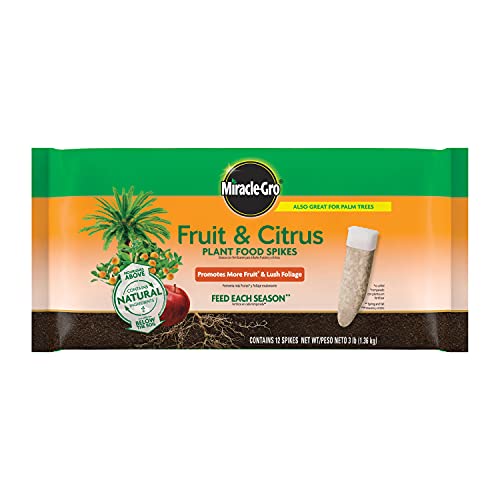
FORMULATED FOR CITRUS AND FRUIT TREES: Use these citrus fertilizer spikes on apple, orange, lemon, lime, and avocado trees; this formula is also great for feeding palm trees

🍋 EXPLOSIVE HARVEST: GardenWise ignites a remarkable yield boost. Its scientific blend, featuring 6% nitrogen for growth, 4% phosphorus for flowering, and 6% potassium for fruit quality, culminates in an abundance of flavorful, aromatic fruits. This is more than growth; it's a nutrient-powered revolution in your citrus yield.

Made for Citrus Tree Plants – Formulated to support healthy growth for Citrus trees and other indoor plants.
Watering and Fertilizing
Water your lime tree regularly, ensuring the soil remains moist but not waterlogged. A general rule is to provide about 1 inch of water per week, increasing during hotter months. Check the soil’s moisture level by inserting your finger an inch deep. If it feels dry, it’s time to water.
Fertilize your lime tree every four to six weeks during the growing season using a balanced, slow-release fertilizer high in potassium. Aim for a N-P-K ratio of 6-6-6 or similar. Follow the package instructions for application rates. Avoid fertilizing in winter, as the tree enters dormancy.
Pruning Techniques
Prune your lime tree in early spring to encourage healthy growth and fruit production. Focus on removing any dead or diseased branches, as well as crossing branches that may rub against one another. Aim for a balanced shape by thinning the canopy to improve air circulation.
When pruning, use sharp, clean pruning shears to minimize damage and prevent disease. Cut just above a leaf node to promote growth and avoid making large cuts. Regular pruning encourages a fruitful and manageable tree that thrives in your garden.
Harvesting Lime Fruit
Harvesting limes requires attention to detail. Knowing when and how to pick your limes ensures the best flavor and quality.
Recommended Products

Sharp SK5 Steel – Cuts 3x faster than other garden Clippers. Besides, the blade is short by design to maximize the leverage.

DUAL CUTTING POWER: VERSATILE PRUNING COMBO --- With both Pruning Shears and Pruning Snip, this combo delivers unmatched versatility. Whether you're delicately trimming flowers and shrubs, tackling thicker tree branches, or tending to your vegetable and fruit garden, our combo pack excels in all areas. They're also perfect for landscaping projects and maintaining the health and appearance of indoor plants. With this pack, you have a versatile tool that simplifies your gardening tasks.

ULTRA SHARP - Much less effort to cut branches with our pruning shears. Crafted from premium SK5 steel with titanium coating, our garden scissors and garden clippers boast exceptional durability and sharpness. A perfect pruning shears for gardening and a must-have garden tool, hedge clippers pruners for gardening
Signs of Ripe Limes
Limes are ready to harvest when they display certain characteristics:
- Color: Look for limes that have turned a vibrant green without yellow tints.
- Size: Mature limes usually range from 1.5 to 2.5 inches in diameter.
- Firmness: Ripe limes feel firm but slightly give under gentle pressure. Avoid ones that feel too soft.
- Aroma: A strong, citrusy smell indicates ripeness. If you can smell the lime without cutting it, it’s likely ready.
Techniques for Picking
Use the following techniques for efficient and careful picking:
- Tools: Use pruning shears or scissors to cut limes from the tree. This prevents damaging the branches.
- Twisting: Gently twist the lime fruit to detach it from the stem. This method minimizes stress on the fruit and branch.
- Timing: Harvest limes in the morning when temperatures are cooler. This helps maintain freshness.
- Storage: Place harvested limes in a cool, dry area to enhance shelf life. Avoid exposure to direct sunlight.
By following these signs and techniques, you can enjoy a bountiful harvest of flavorful lime fruit from your tree.
Conclusion
Growing your own lime tree is a rewarding journey that brings fresh flavors and beauty to your home. With the right care and attention your lime tree can thrive and produce delicious fruit for you to enjoy.
Remember to choose the variety that suits your climate and needs. Keep an eye on sunlight exposure soil quality and watering habits to ensure your tree stays healthy.
When it’s time to harvest you’ll appreciate the satisfaction of picking ripe limes straight from your backyard. So grab your gardening gloves and get started on this fruitful adventure. You’ll love every moment of it!
Frequently Asked Questions
What are the benefits of growing a lime tree at home?
Growing a lime tree at home allows you to enjoy fresh limes right from your backyard, enhancing meal flavors and providing a touch of greenery to your space. It’s a rewarding gardening project that brings satisfaction and freshness to your kitchen.
What types of lime trees can I grow?
Common types of lime trees include Persian, Key, Kaffir, and Calamondin limes. Persian limes thrive in warm climates, Key limes favor subtropical conditions, Kaffir limes are appreciated for their aromatic leaves, and Calamondin limes do well in containers.
How much sunlight do lime trees need?
Lime trees require at least 8 hours of direct sunlight daily for optimal growth. Ensuring adequate sunlight exposure is crucial for healthy fruit production and overall tree vitality.
What is the ideal soil type for lime trees?
Lime trees thrive in well-drained sandy loam soil with a pH of 6 to 7. Good soil quality is essential for root development and moisture retention, promoting healthy tree growth.
How often should I water my lime tree?
Water your lime tree regularly to keep the soil moist but not waterlogged, typically about 1 inch per week. Increase watering during hotter months to support your tree’s needs.
When should I fertilize my lime tree?
Fertilize your lime tree every four to six weeks during the growing season with a balanced, slow-release fertilizer high in potassium. Avoid fertilization during the winter months for best results.
How do I prune my lime tree?
Prune your lime tree in early spring to promote healthy growth and fruit production. Focus on removing dead or diseased branches and ensuring good air circulation to enhance overall health.
How can I tell when limes are ripe?
Ripe limes exhibit vibrant green color, appropriate size, firmness, and a strong citrus aroma. These signs indicate the fruit is ready to be picked for the best flavor and quality.
What is the best way to harvest limes?
Use pruning shears for a clean cut, gently twist to detach the fruit, and harvest in the morning to maintain freshness. This method ensures minimal damage to the tree and preserves fruit quality.
How should I store harvested limes?
Store harvested limes in a cool, dry place to enhance their shelf life. Keeping them in the refrigerator can also help maintain their freshness for longer periods.
