

Have you ever wondered why your fig tree isn’t producing fruit? You’re not alone. Many gardeners face this frustrating issue, especially when they’ve put in the time and effort to care for their trees. Fig trees can be finicky, and without the right conditions, they might just keep you waiting for those sweet rewards.
Key Takeaways
- Optimal Growing Conditions: Fig trees thrive in full sun (at least 8 hours daily) and well-drained soil with a pH of 6.0 to 6.5 to promote healthy growth and fruit production.
- Watering Practices: Regular deep watering, about an inch per week, is crucial, particularly during dry spells. Avoid overwatering and soggy soil to prevent root rot.
- Effective Fertilization: Apply a balanced fertilizer in early spring, especially if the soil is nutrient-poor, to support vigorous growth and fruiting.
- Pruning Strategies: Prune in late winter or early spring to remove dead branches, thin crowded limbs, and encourage more robust fruit production.
- Pollination Requirements: Understand the pollination needs of your fig variety, as some require a male tree nearby for successful fruiting.
- Pest and Disease Management: Regular monitoring for pests and ensuring good airflow can help prevent issues. Use neem oil or insecticidal soap to manage pests and adjust watering to avoid diseases.
Understanding Fig Trees
Fig trees, belonging to the Moraceae family, thrive in warm climates and can grow quite large, reaching heights of up to 30 feet. You can find two main types: common figs and caprifigs. Common figs produce sweet fruit while caprifigs primarily serve as pollinators for specific varieties.
Growing Conditions
Figs need full sun for at least eight hours daily. Choose a location with well-drained soil, as figs are sensitive to waterlogged conditions. Soil pH should range from 6.0 to 6.5. Consider planting in early spring or fall when temperatures are mild.
Watering Needs
Water fig trees regularly, especially during dry spells. Aim for deep, consistent watering rather than frequent, shallow irrigation. Aim for around an inch of water weekly, either from rainfall or supplemental watering.
Fertilization
Fertilize with a balanced fertilizer in early spring, particularly if your soil is nutrient-poor. A mix with equal parts nitrogen, phosphorus, and potassium promotes healthy growth. Use about half a pound of fertilizer for each tree annually.
Pruning Techniques
Pruning fig trees helps shape them and encourages fruit production. Focus on removing dead or crowded branches. Thin out the center of the tree to ensure adequate light and air circulation. Perform pruning in late winter or early spring, just before new growth starts.
Pollination Factors
Some fig varieties require pollination. If growing a type that needs a male fig tree for pollination, ensure both trees are within 100 feet of each other. Observe if figs develop; this indicates successful pollination.
Pest and Disease Management
Monitor fig trees for common pests like aphids and spider mites. Neem oil or insecticidal soap can effectively manage these pests. Prevent diseases by ensuring good airflow and avoiding overhead watering, reducing the risk of fungal issues.
By focusing on these aspects, you can create an environment where fig trees thrive and produce fruit successfully.
The Basics of Fig Tree Care
Fig trees thrive with proper care and attention. Understanding their requirements helps ensure a bountiful harvest.
Recommended Products
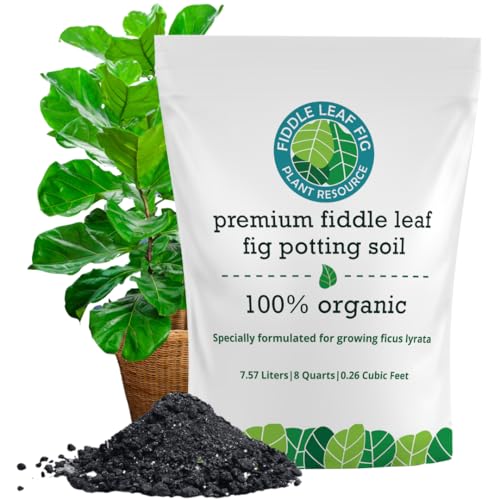
🌱 100% ORGANIC, NUTRIENT-RICH BLEND FOR FASTER GROWTH Specially formulated for fiddle leaf figs and other indoor trees, this premium chunky, airy mix uses aged bark, green compost, and biochar to nourish plants naturally without chemical buildup—helping prevent common issues like brown spots, yellow leaves, and leaf drop.

STARTING A TROPICAL GARDEN- Comprised of real horticultural grade ingredients such as shredded coir husk, pine bark, perlite, sand, and garden lime; no pelletized fertilizer

COMPLETE INDOOR POTTING SOIL FOR HEALTHY ROOT DEVELOPMENT: A premium potting soil for indoor plants designed to replace generic potting mix or garden dirt. Balances moisture and airflow so roots can breathe and expand. Works as houseplant soil, monstera soil, pothos soil, peace lily potting soil, and tropical plant soil for thriving indoor potted plants of all kinds.
Soil Requirements
Soil plays a critical role in fig tree health. Choose well-drained soil to prevent root rot. Aim for a pH level between 6.0 and 6.5 for optimal growth. Sandy loam or loamy soil works best. If your soil lacks nutrients, enrich it with organic matter or compost. Testing the soil periodically helps you maintain the right conditions and ensures your fig tree receives necessary nutrients.
Sunlight and Water Needs
Fig trees love sunlight. Ensure your tree receives full sun for a minimum of eight hours daily. This exposure encourages robust growth and fruit production.
Water deeply but infrequently. Aim for about an inch of water each week, adjusting according to weather conditions. In dry periods, increase frequency while avoiding soggy soil. Check the soil moisture level regularly; when the top inch feels dry, it’s time to water. Proper sunlight and hydration support the tree’s overall health and enhance fruit yield.
Promoting Fruit Growth
Promoting fruit growth in fig trees involves proper techniques and practices. You’ll enhance fruit production by focusing on pruning, pollination, and fertilization.
Recommended Products

Supports Strong Growth & Fruit Development - Helps promote vigorous branches, healthy foliage, and improved fig production.

Package contains 4 Pounds organic fruit and citrus fertilizer grains and is produced to avoid wasteful runoff, mess, hazards and smells

Supports Strong Growth & Fruit Development - Helps promote vigorous branches, healthy foliage, and improved fig production.
Proper Pruning Techniques
Pruning fig trees effectively encourages fruit growth and maintains tree health. Focus on these key steps:
- Timing: Prune during late winter or early spring before new growth begins. This timing minimizes stress and maximizes fruiting potential.
- Remove Dead Wood: Cut away any dead or damaged branches. This opens up the canopy, letting sunlight reach more leaves and increases airflow.
- Thin Crowded Branches: Thin out branches to prevent overcrowding. Aim for a balanced shape, allowing light to penetrate and stimulate growth.
- Shorten Long Branches: Trim back excessively long branches to promote bushier growth. This leads to more fruit-bearing buds developing along the shortened branches.
Pollination and Fertilization
Pollination plays a crucial role in the fruiting process of certain fig varieties. Here’s how to enhance pollination and provide proper fertilization:
- Understand Pollination Needs: Check if your fig variety requires pollination. Common figs generally self-pollinate, while caprifigs assist in pollinating some other varieties.
- Plant Compatible Varieties: If your fig variety needs pollination, plant male (caprifigs) and female trees within 100 feet of each other. This arrangement supports cross-pollination.
- Fertilize Correctly: Fertilize in early spring using a balanced fertilizer. Follow product instructions closely to avoid over-fertilization, which can harm fruit production.
- Monitor Nutrient Levels: Regularly check soil nutrient levels. If deficiencies occur, consider adding organic matter, like compost, to boost soil health and fertility.
By applying these pruning methods and understanding pollination and fertilization techniques, you’ll create optimal conditions for your fig trees to bear fruit effectively.
Common Challenges and Solutions
Growing fig trees can present several challenges. Understanding these issues and their solutions increases your chances of producing fruit successfully.
Recommended Products

PLANT DISEASE CONTROL: Natria Neem Oil acts as an insecticide and fungicide in one convenient spray; Ready-to-use trigger sprayer requires no mixing


NEEM OIL SPRAY FOR PLANTS – A fast-acting, multipurpose neem spray designed for indoor plants, houseplants, and garden use. This ready-to-use plant spray combines cold-pressed neem oil with a balanced botanical blend to solve common plant care issues while supporting healthy, resilient leaves.
Pests and Diseases
Pests and diseases can hinder fruit production. Monitor your fig trees for common pests like aphids, spider mites, and whiteflies. If you spot any, apply neem oil or insecticidal soap to control their populations. Fungal diseases, such as root rot or leaf blight, often result from overwatering or poor drainage. Ensure the soil is well-drained and adjust your watering practices to avoid excess moisture. For leaf spots, increase air circulation around the tree by pruning crowded branches.
Environmental Factors
Environmental conditions significantly impact fig trees. Full sunlight is essential, requiring at least eight hours of direct sunlight daily. If your fig tree isn’t producing fruit, evaluate its location and consider relocating it to a sunnier spot. Additionally, temperature plays a role; fig trees prefer warm climates. Protect your tree from frost, as it can damage buds and reduce fruit yield. Ensure the soil pH remains between 6.0 and 6.5; testing kits are available for easy measurement. Making these adjustments helps create a conducive environment for fruitful fig trees.
Conclusion
Growing a fig tree that bears fruit can be a rewarding journey. By providing the right conditions like ample sunlight and well-drained soil you can set the stage for a fruitful harvest. Don’t forget the importance of pruning and understanding your tree’s pollination needs.
With a little patience and care your fig tree can become a thriving part of your garden. Keep an eye out for pests and adjust your watering practices as needed. Soon enough you’ll be enjoying the sweet rewards of your hard work. Happy gardening!
Frequently Asked Questions
Why isn’t my fig tree producing fruit?
Fig trees need specific conditions to bear fruit, such as full sun for at least eight hours daily, well-drained soil, and proper watering. Consider checking if the tree is getting enough sunlight and if the soil is suitable for growth.
What kind of soil do fig trees need?
Fig trees thrive in well-drained sandy loam or loamy soil with a pH of 6.0 to 6.5. Amending the soil with organic matter can help if nutrients are lacking and support healthy growth.
How often should I water my fig trees?
Fig trees generally require deep watering once a week, applying about an inch of water. Adjust your watering routine based on weather conditions, ensuring not to overwater, as this can lead to root rot.
When is the best time to plant fig trees?
The ideal times to plant fig trees are in early spring or fall. Planting during these seasons helps ensure the trees establish roots before extreme weather conditions occur.
Do all fig trees require pollination?
Not all fig trees require pollination. Common figs produce fruit on their own, while caprifigs are necessary for pollination of certain varieties. Ensure compatible tree types are within 100 feet to facilitate pollination.
How should I prune my fig trees?
Prune fig trees in late winter or early spring to remove dead or crowded branches and encourage bushier growth. Proper pruning shapes the tree and can enhance fruit production.
What pests should I watch for on fig trees?
Common pests like aphids and spider mites may affect fig trees. Regular monitoring and treatment with neem oil or insecticidal soap can help manage these infestations effectively.
How can I improve my fig tree’s fruit production?
To enhance fruit production, ensure proper pollination, regular deep watering, balanced fertilization in early spring, and effective pruning techniques. These factors significantly contribute to healthy growth and fruit yield.
