

Curious about the best time to plant honeydew in your garden? Picture this: you’re eager to start your honeydew patch but unsure when to begin. Timing is key, and getting it right can make all the difference in your harvest.
Key Takeaways
- Understand the life cycle stages of honeydew melon plants, from seed germination to fruit development, to plan planting effectively.
- Provide optimal climate conditions such as warm temperatures, full sun exposure, and well-draining soil with a pH level between 6.0 – 6.8 for successful honeydew growth.
- Plant honeydew in spring to take advantage of warming soil and increased daylight hours while being prepared for potential late frosts with protective measures.
- Prepare the soil with well-draining sandy loam or loamy soil rich in essential nutrients like nitrogen, phosphorus, and potassium for healthy plant growth.
- Choose between indoor seed starting for longer growing periods or direct sowing into the garden based on your gardening style and local climate conditions.
- Properly space honeydew plants 3-5 feet apart in rows that are 6-8 feet apart, sow seeds at a depth of around 1 inch, and provide regular watering and balanced fertilization throughout the growing season.
Understanding the Honeydew Melon Plant
When it comes to understanding the honeydew melon plant, there are key aspects you should consider to ensure a successful harvest. Let’s delve into the life cycle of honeydew and the optimal climate conditions necessary for its growth.
The Life Cycle of Honeydew
The life cycle of a honeydew melon plant consists of several crucial stages that determine its growth and fruit production. Understanding these stages can help you plan your planting schedule effectively:
- Seed Germination: It all begins with planting honeydew seeds in well-draining soil. Adequate moisture and warmth are essential for prompt germination.
- Seedling Stage: After germination, seedlings will emerge, requiring sufficient sunlight and water to develop strong roots and leaves.
- Vegetative Growth: During this stage, the plant focuses on leaf development and vine expansion, needing regular watering and balanced fertilization.
- Flowering Phase: The appearance of flowers signals the transition to fruit production. Bees play a vital role in pollinating these flowers for fruit set.
- Fruit Development: As pollinated flowers turn into fruits, consistent watering is crucial to prevent issues like blossom end rot.
Optimal Climate Conditions for Honeydew
Creating an environment that mimics the ideal climate conditions for honeydew melons is key to a bountiful harvest. Here’s what you need to know about providing the best conditions for your plants:
- Temperature: Honeydews thrive in warm temperatures between 70°F – 90°F (21°C – 32°C) during the day and slightly cooler nights around 60°F (15°C).
- Sunlight: Ensure your plants receive full sun exposure for at least 6-8 hours daily to promote healthy growth and sweet fruit development.
- Soil Quality: Well-draining soil rich in organic matter is essential for honeydews. Aim for a pH level between 6.0 – 6.8 for optimal nutrient uptake.
By understanding these fundamental aspects of the honeydew melon plant’s life cycle and its preferred climate conditions, you’ll be better equipped to cultivate a thriving garden with deliciously sweet honeydews.
Best Season to Plant Honeydew
When considering the best season to plant honeydew, it’s essential to align your timing with optimal growing conditions for a successful harvest. Here’s a breakdown of key factors to guide your planting decisions:
Recommended Products
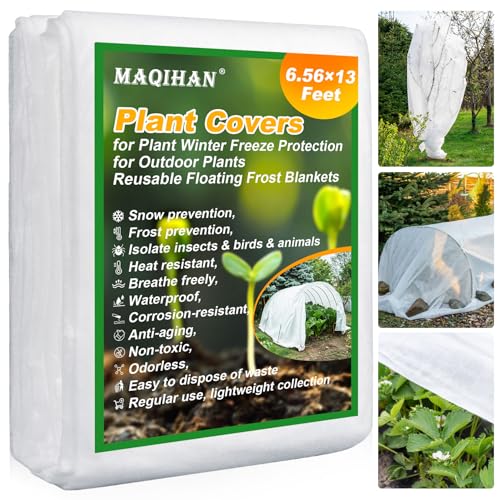
Product Features: Our plant covers are ideal for protecting all plant. Made from premium 1 oz/sq non-woven fabric, their durability and breathability ensuring both insulation against frost and facilitation of sunlight penetration for healthy plant growth

Comprehensive Winter Protection for Your Garden: Our outdoor plant covers provide complete freeze protection for strawberries, vegetables, tomatoes, fruit trees, citrus plants, shrubs, and potted plants throughout the winter. This frost cloth plant freeze protection shields delicate plants from sudden temperature drops, frost, and strong winds, ensuring they survive harsh winter conditions. Ideal for those looking for frost blankets for outdoor plants and reliable plant freeze protection covers.
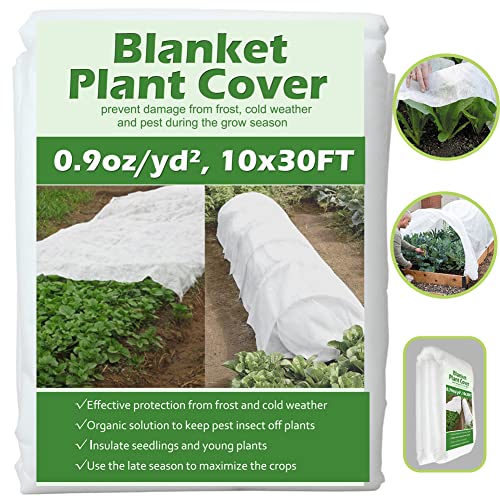
※Big Size to cover large area : The size of our plant cover is 10x30ft, the size can cover large areas. You can cut the plant covers freeze protection into different sizes for different use. You can cover it over the plant such as shrub tomato, pepper, pumpkin, and so on.
Spring Planting Advantages
In spring, the soil starts warming up, creating favorable conditions for honeydew seeds to germinate and establish robust roots. The moderate temperatures and increasing daylight hours support healthy plant growth, leading to higher chances of bountiful fruit production. By planting in spring, you take advantage of the seasonal shift towards warmer weather, setting your honeydew plants on a promising path towards maturity.
Risk of Frost and Its Impacts
Despite the advantages of spring planting, there’s a potential risk of late frosts that can harm tender honeydew seedlings. It’s crucial to monitor local weather forecasts and consider protective measures like row covers or cloches to shield your plants from sudden temperature drops. Being prepared for frost risks ensures that your honeydew patch remains safeguarded against unexpected climatic challenges, allowing your plants to thrive undisturbed.
By strategically timing your honeydew planting in spring while staying vigilant against frost threats, you can maximize the growing season and nurture healthy plants primed for abundant yields.
Preparing the Soil for Honeydew
When it comes to planting honeydew, preparing the soil correctly is crucial for ensuring healthy growth and abundant yields. Here’s how you can optimize your soil for successful honeydew cultivation:
Recommended Products

Helps Promote Vine Growth & Fruit Development – Supports strong vines and balanced fruiting.
Helps Promote Vine Growth & Fruit Development – Supports strong vines and balanced fruiting.

Helps Promote Vine Growth & Fruit Development – Supports strong vines and balanced fruiting.
Soil Composition and pH Level
To provide an optimal growing environment for your honeydew plants, aim for well-draining soil with a slightly acidic to neutral pH level between 6.0 and 7.0. Sandy loam or loamy soils are ideal choices as they allow proper root development and water drainage while retaining essential nutrients.
Necessary Nutrients for Healthy Growth
Ensure your soil is rich in essential nutrients like nitrogen, phosphorus, and potassium to support robust plant growth. Consider using organic matter such as compost or well-rotted manure to enhance soil fertility and promote overall plant health. Additionally, incorporating a balanced fertilizer formulated specifically for melons can help meet the nutritional needs of your honeydew plants throughout their growth stages.
By focusing on the composition, pH level, and nutrient content of your soil before planting honeydew, you set the foundation for thriving plants that will reward you with delicious fruits at harvest time.
Planting Techniques for Honeydew
When considering planting techniques for honeydew, you have two primary options to kickstart your cultivation journey: indoor seed starting or direct sowing. Each method has its advantages, so let’s explore which one suits your gardening style best.
Indoor Seed Starting vs. Direct Sowing
For a head start on the growing season and greater control over environmental conditions, indoor seed starting is a popular choice among gardeners. By germinating honeydew seeds indoors in seed trays or pots before transplanting them outdoors, you can ensure a longer growing period and protect young plants from unexpected weather fluctuations.
On the other hand, direct sowing involves planting honeydew seeds directly into the garden soil where they will grow to maturity. This method is simpler and eliminates the need for transplanting, allowing seeds to germinate and thrive in their final growing spot without disturbance.
Consider your local climate, available space, and desired level of involvement when deciding between indoor seed starting and direct sowing for your honeydew plants.
Proper Spacing and Depth for Planting
Whether you opt for indoor seed starting or direct sowing, understanding the proper spacing and depth requirements is crucial for successful honeydew cultivation.
When planting honeydew seeds or seedlings in your garden bed, ensure adequate spacing between each plant to allow ample room for growth and airflow. Typically, honeydew plants should be spaced about 3-5 feet apart in rows that are 6-8 feet apart to accommodate their sprawling vines as they develop.
Regarding planting depth, sow your seeds at a depth of around 1 inch in well-draining soil with good fertility levels. If you’re transplanting seedlings grown indoors, make sure to plant them at the same depth as they were in their containers to prevent stunting their growth.
By adhering to proper spacing guidelines and planting depths specific to honeydew cultivation, you can promote healthy plant development and maximize your chances of a successful harvest.
Care and Maintenance After Planting
After planting your honeydew, it’s crucial to provide proper care and maintenance to ensure healthy growth and a bountiful harvest. Here are essential tips to guide you through the post-planting phase:
Watering and Fertilization Schedule
To promote robust growth, water your honeydew plants regularly, especially during dry spells. Ensure the soil is consistently moist but not waterlogged. A good practice is to water deeply at the base of the plant to encourage deep root development.
Watering Tip: You can use a soaker hose or drip irrigation system for efficient watering that delivers moisture directly to the roots while minimizing evaporation.
When it comes to fertilization, honeydew plants benefit from a balanced fertilizer high in nitrogen. Begin fertilizing once the vines start spreading and continue every few weeks throughout the growing season.
Fertilizer Choice: Opt for a 10-10-10 NPK fertilizer or similar balanced blend to provide essential nutrients without promoting excessive foliage growth at the expense of fruit production.
Common Pests and Diseases
Vigilance against common pests and diseases is key in maintaining healthy honeydew plants. Keep an eye out for aphids, spider mites, powdery mildew, and cucumber beetles which can pose threats to your crop.
Preventive Measures: Encourage natural predators like ladybugs that feed on aphids as a natural pest control method. Regularly inspect your plants for any signs of infestation or disease for early intervention.
In case of issues, consider using organic insecticidal soap or neem oil as effective remedies against pests while minimizing harm to beneficial insects like bees.
By following these watering, fertilization, pest management practices after planting your honeydew, you’ll set yourself up for success in nurturing thriving plants that yield delicious fruits.
Conclusion
You now understand the key factors for successful honeydew planting. Timing, soil prep, and proper care are vital. Remember to plant in spring, protect against late frosts, and maintain optimal soil conditions. Water deeply, fertilize well, and watch out for pests. By following these tips, you’ll be on your way to a thriving honeydew garden with sweet fruits to enjoy. Happy planting!
Frequently Asked Questions
When is the best time to plant honeydew?
Spring is the best time to plant honeydew due to warmer temperatures and longer daylight hours, promoting healthy growth.
How can I protect my honeydew plants from late frosts?
Covering your honeydew plants with a frost cloth or using water-filled jugs around them can help protect against late frosts.
What type of soil is best for honeydew cultivation?
Well-draining sandy loam soil with a pH level between 6.0 and 6.5 is ideal for successful honeydew cultivation.
What nutrients are essential for honeydew plants?
Honeydew plants require a balanced fertilizer high in nitrogen to support vigorous growth and fruit development.
How do I prevent common pests like aphids and powdery mildew?
Regularly inspecting your plants for signs of pests, practicing good sanitation, and using organic remedies like neem oil can help prevent infestations.
