

Have you ever noticed those pesky June bugs munching on your fruit trees? If you’ve been frustrated watching your hard work get devoured, you’re not alone. These little critters can wreak havoc on your garden, leaving you wondering how to protect your precious harvest.
Key Takeaways
- Understand June Bugs: Recognizing the behaviors, life cycle, and common species of June bugs is crucial for effective pest management.
- Identify Infestation Signs: Look for visible damage, droppings, and wilting leaves as indicators of a June bug infestation on fruit trees.
- Implement Preventative Measures: Cultural practices like choosing resistant varieties, improving soil health, and encouraging beneficial insects can significantly reduce June bug populations.
- Utilize Physical Barriers: Employing row covers, sticky traps, and mulch helps protect fruit trees from adult bugs and their larvae.
- Apply Natural Remedies: Homemade repellents such as garlic and pepper spray can deter June bugs while maintaining a healthy garden ecosystem.
- Choose Chemical Solutions Wisely: If necessary, use targeted pesticides responsibly, following application guidelines to maximize effectiveness while minimizing environmental impact.
Understanding June Bugs
June bugs are pests that can cause significant damage to fruit trees. Recognizing their behaviors and life cycles helps in developing effective pest management strategies.
Life Cycle of June Bugs
June bugs undergo a complete metamorphosis with four stages: egg, larva, pupa, and adult. Adult June bugs emerge in late spring, typically around June. They lay eggs in the soil, preferring moist, sandy areas. After about two to four weeks, the eggs hatch into larvae known as grubs. Grubs feed on roots and organic matter, causing potential harm to your trees. Over the winter, they remain in the soil as pupae, emerging as adults in spring for the next cycle.
Common Species and Their Habits
Several species of June bugs may infest your garden. The most common include the Masked June Bug and the Green June Bug.
- Masked June Bug: Often found in gardens, these bugs enjoy feasting on the foliage of fruit trees, leading to leaf loss and damage.
- Green June Bug: While primarily attracted to flowers and fruits, adults may also harm trees by feeding on buds and new growth.
These species are primarily nocturnal, which makes them more active in the evening. You’ll notice them buzzing around lights or feeding on trees after dusk. Understanding their habits enables you to implement targeted prevention methods effectively.
Impact of June Bugs on Fruit Trees
June bugs can significantly harm fruit trees. Recognizing the impact of these pests helps you take effective measures.
Symptoms of Infestation
You may notice several signs when June bugs infest your fruit trees:
- Visible Damage: Look for missing leaves or holes in foliage. Adults tend to feed on the leaves during the night.
- Droppings: Dark, pellet-like droppings indicate their presence.
- Grub Activity: If you notice wilting or yellowing leaves, check the soil for grubs under the surface.
Potential Damage to Trees and Fruit
June bugs can cause various damage types to trees and fruit:
- Root Damage: The larvae feed on tree roots. This weakens the tree, affecting overall health.
- Defoliation: Adult June bugs consume leaves, reducing photosynthesis. This impacts fruit development and tree vigor.
- Fruit Quality: Weakened trees produce smaller or less flavorful fruit.
Promptly addressing these symptoms and potential damages can protect your fruit trees from further harm.
Preventative Measures
Effective prevention is essential for keeping June bugs off your fruit trees. Implementing specific practices can significantly minimize their impact.
Recommended Products

[Catches Gnats, Fruit Flies, Whiteflies And More] Yellow sticky traps with top-grade adhesive grab fungus gnats, aphids, fruit flies, thrips, and whiteflies on contact from both faces. Place each card at soil level near drainage holes for fastest results. Works for indoor plants and outdoor gardens.

[Catches Fungus Gnats & Flying Pests On First Contact]: Super-sticky, double-sided adhesive intercepts gnats, fruit flies, whiteflies, aphids, thrips, and midges the instant they land - on both sides at once, with no bait or batteries. Reviewers across kitchens, bathrooms, and plant rooms report catches beginning within hours of first placement.
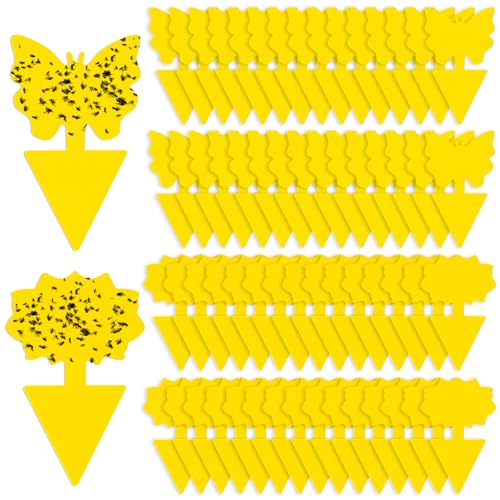
【Non-toxic and Odorless】Our double-sided sticky sheets are made of environmentally friendly materials and coated with a safe, odorless, non-toxic adhesive that does not contain any chemicals, which is not only harmless to humans and pets, but also effectively controls pests and breaks their breeding cycle.
Cultural Practices
Adopting cultural practices promotes a healthier garden environment. Consider these steps:
- Choose Resistant Varieties: Plant fruit tree species known for resisting June bug damage. Varieties with thicker leaves may deter feeding.
- Optimize Soil Health: Maintain well-drained, nutrient-rich soil to support strong trees. Healthy trees withstand pest pressure better.
- Implement Crop Rotation: Rotate crops annually to disrupt the life cycle of pests, including June bugs. This practice can effectively reduce grub populations.
- Encourage Beneficial Insects: Attract beneficial insects like ladybugs and lacewings by planting nectar-rich flowers. These insects help control June bug populations naturally.
Physical Barriers
Physical barriers offer direct protection from June bugs. Here are some strategies to consider:
- Row Covers: Use lightweight fabric covers to shield young fruit trees from adult pests. Ensure the covers allow light and moisture in while keeping bugs out.
- Sticky Traps: Place yellow sticky traps around your garden. These attract and capture adult June bugs, reducing their numbers.
- Mulching: Apply mulch around tree bases. Mulch not only retains moisture but also keeps the soil temperature stable, making it less favorable for larvae development.
- Tree Guards: Install tree guards at the base of your fruit trees. These prevent larvae from accessing roots and feeding on them.
By implementing these preventative measures, you can protect your fruit trees from the damaging effects of June bugs and promote a thriving garden.
Natural Remedies
Natural remedies serve as effective options for keeping June bugs off your fruit trees. You can create a balanced environment that deters these pests while supporting your garden’s health.
Beneficial Insects
Encouraging beneficial insects is a proactive way to control June bugs. Certain insects, like ladybugs and lacewings, prey on aphids and other pests that can stress your trees, indirectly reducing June bug populations.
- Identify Local Beneficial Insects: Research which species thrive in your region.
- Attract Beneficials: Plant flowers such as marigolds and daisies to draw them in.
- Create a Habitat: Maintain a diverse garden to offer food and nesting sites.
- Avoid Pesticides: Limit chemical treatments to preserve these helpful insects.
Homemade Repellents
You can make effective homemade repellents to deter June bugs without harming your trees or garden.
- Garlic Spray: Mix one cup of garlic cloves with a quart of water. Strain the mixture and spray it on tree foliage. The strong scent keeps bugs at bay.
- Soap Solution: Combine one tablespoon of liquid dish soap with a quart of water. Spray this mix directly on the leaves to create a barrier against pests.
- Pepper Spray: Blend two tablespoons of crushed pepper and a quart of water. Let it steep for 24 hours, strain, then apply to the trees. This repellent disrupts the feeding habits of June bugs.
- Essential Oils: Mix 10-20 drops of essential oils, like peppermint or cedar, with water. Spray the solution on your trees. The strong fragrance deters many insects.
Implement these natural remedies consistently to enhance your fruit tree protection and create a healthier growing environment.
Chemical Solutions
Chemical solutions provide targeted control against June bugs. You can use pesticides specifically designed for these pests to protect your fruit trees effectively.
Recommended Products

Control diseases and insects in your garden with Captain Jack’s Fruit Tree Spray Concentrate! Use on a variety of listed fruits, nuts and citrus plants.

Control diseases and insects in your garden with Captain Jack’s Fruit Tree Spray Concentrate! Use on a variety of listed fruits, nuts and citrus plants.

KILLS LISTED FRUIT & CITRUS TREE INSECTS: Controls Asian Citrus Psyllid, Whiteflies, Aphids Thrips, Citrus Leafminers, Leafhoppers, Blackfly, Mealybugs, Scales, Avocado Lacebugs, Oriental Beetles, Flea Beetles, Sharpshooters, and Spittlebugs
Pesticides and Their Effectiveness
Pesticides vary in their effectiveness against June bugs. Insecticides containing active ingredients like pyrethroids and carbaryl target both adult bugs and larvae. For example, a pyrethroid-based spray can knock down adult June bugs quickly upon contact. Always check the label for species-specific recommendations. Organic options like neem oil provide a less toxic approach while still offering control.
Application Guidelines
Follow these application guidelines for optimal results:
- Timing: Apply pesticides in the evening when June bugs are most active. This increases the likelihood of contact.
- Surface: Focus on treating the leaves and branches of your trees, as this is where June bugs feed.
- Weather: Choose calm, dry days for application. Rain can wash away treatments, reducing effectiveness.
- Safety: Read and adhere to safety precautions on pesticide labels. Wear protective gear to minimize exposure.
- Frequency: Reapply every 7-14 days, especially after rain or heavy winds.
Adhering to these guidelines maximizes control and minimizes impacts on the surrounding environment.
Conclusion
Keeping June bugs off your fruit trees doesn’t have to be a daunting task. By combining cultural practices with natural remedies and chemical solutions, you can create a protective barrier that helps your trees thrive.
Stay vigilant by regularly checking for signs of infestation and act promptly when you notice any damage. Remember that fostering a healthy garden ecosystem with beneficial insects can make a big difference in your battle against these pests.
With a little effort and the right strategies, you can enjoy a bountiful harvest and keep those pesky June bugs at bay. Happy gardening!
Frequently Asked Questions
What are June bugs and how do they affect fruit trees?
June bugs are pests that damage fruit trees by feeding on leaves and roots. Adult bugs consume foliage, resulting in defoliation, while larvae (grubs) damage roots, weakening trees and impacting fruit quality. Recognizing their signs is vital for timely intervention.
What is the life cycle of June bugs?
June bugs undergo a complete metamorphosis with four stages: egg, larva, pupa, and adult. Adults emerge in late spring, lay eggs in moist soil, and larvae feed on organic matter and roots before pupating and becoming adults again.
How can I identify a June bug infestation?
Signs of a June bug infestation include missing leaves, holes in foliage, dark droppings, and wilting yellow leaves. These symptoms indicate both adult feeding and grub activity, signifying the need for prompt action to protect your trees.
What are the best prevention strategies against June bugs?
Effective prevention strategies include choosing resistant fruit tree varieties, optimizing soil health, implementing crop rotation, and using physical barriers like row covers and sticky traps. Encouraging beneficial insects also helps maintain a healthier garden ecosystem.
Are there natural remedies to deter June bugs?
Yes, natural remedies such as homemade repellents (garlic spray, soap solution, and pepper spray) can effectively keep June bugs away. Additionally, attracting beneficial insects like ladybugs can help control their populations without harming your trees.
What are the chemical solutions available for June bug control?
Chemical control options include pesticides containing active ingredients like pyrethroids and carbaryl. Follow application guidelines closely, paying attention to timing, weather conditions, and safety precautions to maximize effectiveness while minimizing environmental impact.
