

Growing lemon trees in Jersey City, NJ, is achievable with the right techniques and care. Urban gardeners can successfully cultivate these citrus trees by understanding local climate conditions and selecting suitable varieties.
Choosing Ideal Lemon Tree Varieties for Urban Growth
Selecting the right lemon tree variety is crucial for successful urban gardening in Jersey City. With its unique climate and urban environment, certain varieties thrive better than others, offering the best chance for fruitful growth. Understanding these options will help you make informed decisions for your lemon tree cultivation.
Choosing the right lemon tree variety is crucial for success in an urban environment. Some varieties thrive better in containers, while others may require more space. Consider the following options:
Improved Meyer Lemon: A hybrid that is more tolerant of cold and is ideal for container growth.
Eureka Lemon: A classic variety that produces fruit year-round but needs more sunlight.
Lisbon Lemon: Known for its hardiness and high yield, suitable for larger gardens.
| Variety | Cold Tolerance | Container Friendly | Yield |
|---|---|---|---|
| Improved Meyer | High | Yes | Moderate |
| Eureka | Moderate | Yes | Year-round |
| Lisbon | High | No | High |
Recommended Products

Easy to Grow – Requires minimal care and thrives in full sun or partial shade

Urban Garden Preparation for Lemon Trees
Growing lemon trees in Jersey City requires careful preparation of your urban garden space. The unique challenges of city living, including limited sunlight and soil quality, demand specific strategies to ensure your lemon trees thrive. Understanding these urban gardening essentials will set the foundation for a fruitful lemon harvest.
Creating the right environment for lemon trees involves careful preparation. Urban spaces can present challenges such as limited sunlight and poor soil quality. Here are essential steps to prepare:
Choose a Sunny Location: Lemon trees need at least 8 hours of sunlight daily.
Test Soil Quality: Use a soil test kit to check pH levels; lemon trees prefer slightly acidic soil (pH 5.5-6.5).
Improve Soil Drainage: Mix in compost and perlite to enhance drainage and nutrient content.
Optimal Watering Strategies for Lemon Trees
Successfully growing lemon trees in Jersey City requires understanding their unique watering needs. In this section, we will explore optimal watering strategies that ensure your lemon trees thrive in an urban environment, taking into account local climate conditions and soil types. Proper hydration is essential for healthy growth and fruit production, making these strategies crucial for urban gardeners.
Proper watering is vital for the health of lemon trees. Overwatering can lead to root rot, while underwatering can stress the plant. Follow these guidelines:
Water Deeply: Allow the top inch of soil to dry out between waterings.
Adjust for Seasons: Increase watering frequency during hot summer months and reduce in winter.
Use Mulch: Apply a layer of organic mulch to retain moisture and regulate soil temperature.
| Season | Watering Frequency | Soil Moisture Level |
|---|---|---|
| Spring | Weekly | Moist |
| Summer | Twice a week | Evenly moist |
| Fall | Weekly | Slightly dry |
| Winter | Every 10 days | Dry |
Fertilizing Lemon Trees for Maximum Yield
Fertilizing lemon trees is crucial for achieving a bountiful harvest, especially in urban environments like Jersey City. The right nutrients can enhance growth and fruit production, ensuring your lemon trees thrive despite the challenges of city living. Understanding the specific fertilization needs will help you cultivate healthy, productive trees that flourish in your backyard.
Fertilizing lemon trees ensures they receive essential nutrients for growth and fruit production. Use a balanced fertilizer designed for citrus plants. Consider these tips:
Frequency: Fertilize every 6-8 weeks during the growing season.
Type of Fertilizer: Choose a slow-release fertilizer with a ratio of 3-1-1 or 2-1-1.
Application Method: Follow the manufacturer’s instructions for application rates.
Recommended Products

FORMULATED FOR CITRUS AND FRUIT TREES: Use these citrus fertilizer spikes on apple, orange, lemon, lime, and avocado trees; this formula is also great for feeding palm trees

CITRUS PLANT FOOD: This avacado, mango and citrus fruit tree fertilizer feeds plants for up to 3 months and nourishes above and below the soil

Package contains 4 Pounds organic fruit and citrus fertilizer grains and is produced to avoid wasteful runoff, mess, hazards and smells
Urban Pest Protection for Lemon Trees
Protecting your lemon trees from urban pests is crucial for successful growth in Jersey City. The unique challenges posed by city environments require tailored strategies to fend off common threats. This section outlines effective methods to safeguard your trees, ensuring they thrive amidst urban conditions.
Urban environments can attract various pests that threaten lemon trees. Implement these protective measures:
Regular Inspections: Check leaves and stems for signs of pests like aphids or spider mites.
Natural Remedies: Use insecticidal soap or neem oil as a treatment for infestations.
Companion Planting: Grow herbs like basil or marigolds nearby to deter pests naturally.
| Pest | Symptoms | Treatment |
|---|---|---|
| Aphids | Curling leaves | Insecticidal soap |
| Spider Mites | Webbing on leaves | Neem oil |
| Scale | Sticky residue | Rubbing alcohol |
Recommended Products

KILLS LISTED FRUIT & CITRUS TREE INSECTS: Controls Asian Citrus Psyllid, Whiteflies, Aphids Thrips, Citrus Leafminers, Leafhoppers, Blackfly, Mealybugs, Scales, Avocado Lacebugs, Oriental Beetles, Flea Beetles, Sharpshooters, and Spittlebugs

Control diseases and insects in your garden with Captain Jack’s Fruit Tree Spray Concentrate! Use on a variety of listed fruits, nuts and citrus plants.
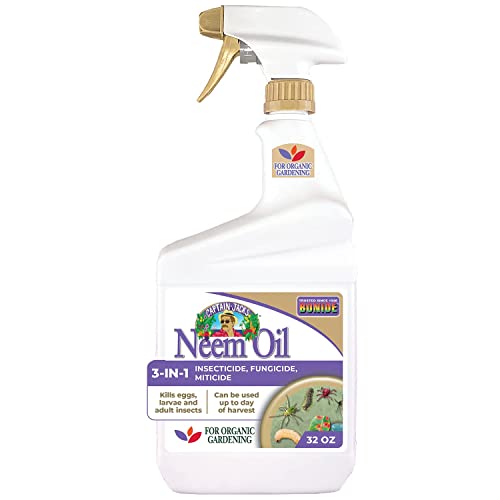
MULTI-PURPOSE BUG KILLER - Bonide Neem Oil is a perfect pest control solution for any garden dealing with mites, flies, mildew, and more. This product is a three-in-one fungicide, miticide, and insecticide.
Optimal Timing for Lemon Harvesting
Understanding the right timing for harvesting lemons is crucial for maximizing flavor and yield. In Jersey City, the unique climate can influence when your lemons reach their peak ripeness. This section will guide you through the optimal periods for harvesting, ensuring you enjoy the best quality fruit from your urban lemon trees.
Knowing when to harvest is essential for enjoying the fruits of your labor. Lemons are typically ready for picking when they are fully yellow and slightly firm to the touch. Follow these guidelines:
Timing: Harvest in late spring to early summer for the best flavor.
Technique: Use pruning shears to cut the fruit from the tree to avoid damaging branches.
Storage: Store harvested lemons in a cool, dry place for maximum freshness.
Lemon trees can thrive in urban settings with the right care and attention. Following these steps will help ensure a fruitful harvest.
