

Growing lime trees in Missouri is achievable with the right techniques and local knowledge. Selecting the appropriate variety and understanding the climate will significantly enhance your success rate.
Choose the Right Lime Tree Variety
Selecting the appropriate lime tree variety is crucial for successful cultivation in Missouri’s unique climate. Different types of lime trees thrive under varying conditions, and understanding these distinctions will help you make an informed choice. This section will guide you through the best lime tree varieties suited for local growing conditions, ensuring a fruitful harvest.
Selecting the correct lime tree variety is crucial for successful growth in Missouri. The most suitable types include the Persian lime and the Key lime.
Persian limes are more tolerant of cooler temperatures and are often preferred for home gardens. Key limes, while flavorful, require more care and protection from frost.
| Variety | Cold Tolerance | Flavor Profile | Growth Habit |
|---|---|---|---|
| Persian Lime | Moderate | Tart, juicy | Bushy |
| Key Lime | Low | Sweet, aromatic | Spreading |
Recommended Products


BRIGHTEN YOUR SPACE WITH CITRUS APPEAL: The Persian lime tree features vibrant leaves and glossy green fruit, adding freshness to indoor or patio spaces. Due to USDA regulations, we do not ship to freight forwarding locations, hotels, PO Boxes, Military (AFO/FPO), AZ, AL, CA, LA, HI, TX, Puerto Rico, Guam, U.S. Virgin Islands, American Samoa, and Northern Mariana Islands. Suited for mother's day gifts, plant gifts for women, and plant gifts for mom for growing citrus at home.

Soil Preparation for Lime Tree Success
Successful lime tree cultivation in Missouri begins with proper soil preparation, which is crucial for healthy growth and fruit production. Understanding the local soil conditions and making necessary amendments can significantly enhance your lime tree’s resilience and yield. This section will guide you through the essential steps to create the ideal environment for your lime trees.
Proper soil preparation is essential for healthy lime trees. Lime trees thrive in well-drained, sandy loam with a pH of 6.0 to 7.0.
Conduct a soil test to determine the pH and nutrient levels. Amend the soil with organic matter, such as compost, to enhance drainage and fertility.
Test soil pH with a home kit.
Add compost to improve nutrient content.
Ensure soil drains well to prevent root rot.
Lime Tree Planting Strategies for Missouri
Planting lime trees in Missouri requires an understanding of the local climate and soil conditions. This section explores effective strategies tailored to the region, ensuring that your lime trees thrive in the unique Missouri environment. From site selection to planting techniques, these tips will help you establish a healthy and productive lime tree garden.
Planting lime trees correctly sets the foundation for robust growth. Choose a location that receives full sun for at least six hours daily.
Dig a hole twice the width of the root ball and just as deep. Place the tree in the center and backfill with soil, ensuring the root collar is level with the ground.
Select a sunny location.
Dig a wide, shallow hole.
Position the tree and backfill carefully.
Lime Tree Watering and Fertilizing Tips
Proper watering and fertilizing are essential for thriving lime trees in Missouri’s unique climate. Understanding the specific needs of these trees will help ensure they receive the right amount of moisture and nutrients, promoting healthy growth and fruit production. Here are some effective tips to optimize your lime tree care.
Watering and fertilizing are critical for lime tree health. Newly planted trees require regular watering to establish roots.
Once established, water deeply but infrequently to encourage deep root growth. Fertilize with a balanced citrus fertilizer during the growing season to promote healthy foliage and fruit production.
Water newly planted trees weekly.
Switch to deep watering every two weeks after establishment.
Apply fertilizer every 6-8 weeks during the growing season.
Pest Management Strategies for Lime Trees
Managing pests effectively is crucial for the health and productivity of lime trees in Missouri. Local growers face unique challenges due to the region’s climate and ecosystem, making tailored pest management strategies essential. Understanding these approaches can help ensure robust growth and a bountiful harvest of limes.
Pests can pose a significant threat to lime trees. Common pests include aphids, spider mites, and scale insects.
Regular monitoring and early intervention are key. Use insecticidal soap or neem oil for treatment. Ensure good airflow around the tree to reduce pest infestations.
Inspect trees weekly for pests.
Use insecticidal soap for treatment.
Maintain good airflow to deter pests.
Recommended Products

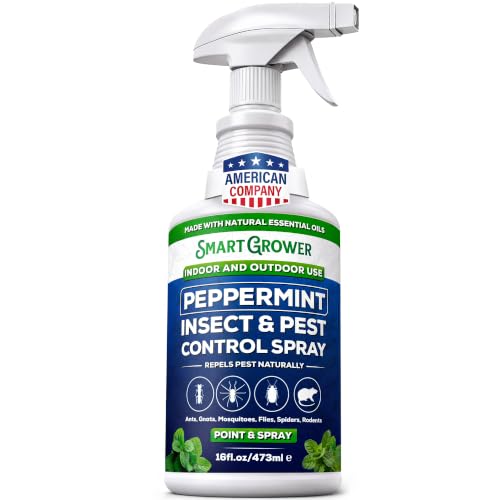
REPELS MICE, RATS & RODENTS WITHOUT TRAPS OR TOXINS – Our peppermint oil spray for rodents is a powerful, all-natural rodent repellent that drives away mice, rats, and other pests on contact. Use indoors and outdoors to protect your home, garage, attic, basement, and vehicle.

NEEM OIL SPRAY FOR PLANTS – A fast-acting, multipurpose neem spray designed for indoor plants, houseplants, and garden use. This ready-to-use plant spray combines cold-pressed neem oil with a balanced botanical blend to solve common plant care issues while supporting healthy, resilient leaves.
Winter Protection Strategies for Lime Trees
Lime trees, while thriving in Missouri’s warmer months, face unique challenges during winter. Protecting these subtropical plants from cold temperatures is crucial for their survival and productivity. This section outlines effective winter protection strategies to ensure your lime trees remain healthy and vibrant throughout the colder season.
Missouri’s winters can be harsh, presenting challenges for lime trees. Providing winter protection is essential.
Consider wrapping the trunk with burlap or using frost cloths to shield the tree from extreme cold. Mulching around the base can also help insulate roots.
Wrap trunks with burlap for insulation.
Use frost cloths during cold snaps.
Apply mulch to protect roots.
Optimal Lime Harvesting Techniques
Harvesting lime trees at the right time is crucial for ensuring the best flavor and quality of the fruit. Understanding the optimal techniques for picking limes in Missouri’s unique climate can significantly enhance your yield. This section delves into effective harvesting methods tailored for local conditions, helping you maximize your lime production.
Harvesting limes at the right time ensures optimal flavor and quality. Limes should be picked when they are fully green and slightly firm.
Store harvested limes in a cool, dry place. They can also be refrigerated for extended freshness.
Harvest when limes are firm and green.
Store in a cool, dry area.
Refrigerate for longer shelf life.
Lime Tree Health Problems in Missouri
Understanding the health problems that can affect lime trees in Missouri is crucial for successful cultivation. This section delves into common issues faced by lime tree growers in the region, providing insights into prevention and treatment strategies to ensure robust growth and fruit production. By recognizing these challenges, you can better care for your lime trees and enhance their vitality.
Identifying and addressing common issues can save your lime trees. Yellowing leaves may indicate nutrient deficiencies or overwatering.
Leaf drop can signal stress from pests or environmental conditions. Regularly inspect your trees and adjust care accordingly.
| Issue | Possible Cause | Solution |
|---|---|---|
| Yellowing Leaves | Nutrient deficiency | Apply balanced fertilizer |
| Leaf Drop | Pests or environmental stress | Inspect and treat pests |
| Poor Fruit Production | Insufficient sunlight | Relocate to sunnier spot |
Regular monitoring and proactive care will help ensure your lime trees thrive in Missouri’s climate.
