

Mango trees can thrive in pots in Oregon with the right care and conditions. Container gardening allows for flexibility in managing climate and space, making it possible to grow these tropical trees even in the Pacific Northwest.
Choosing the Ideal Container for Mango Trees
Choosing the correct container is essential for the health of your mango tree. A pot should be large enough to accommodate the root system, ideally at least 15 gallons in size. Ensure it has adequate drainage holes to prevent waterlogging, which can lead to root rot.
Recommended Products

Perfectly Sized 2-Pack Set: Includes 2 terracotta planters with matching saucers. Pot size: 5" Top Dia x 3.7" Bottom Dia x 5"H, Saucer size: 4.6" Dia. Perfect for transplanting medium-sized houseplants and succulents. Great for snake plants, aloe, orchids, mint, daisies, or your favorite philodendrons and Christmas cactus.

Package Includes: 2 pack terracotta pots(plants are not included). The pots size 6.2"in height, 6" in outer diameter, perfect size for holding succulent, cactus and herbs or other indoor plant

Premium Quality: These terra cotta pots are constructed of high-quality clay, which allows more water and air to circulate freely within the pots while yet maintaining their structural integrity. It’s an excellent choice for cactus, succulents, and other plants that thrive in dry soil, and it’s also appropriate for areas with lower temperatures. The high air permeability of the pot walls helps the soil to dry out more quickly
Terracotta Potting Materials for Mango Trees
When cultivating mango trees in pots, especially in Oregon’s unique climate, the choice of potting materials is crucial. Terracotta pots not only enhance drainage but also regulate temperature, providing an ideal environment for these tropical plants. Understanding the benefits of terracotta can significantly impact the health and growth of mango trees in container gardening.
Terracotta: Offers breathability and helps regulate moisture.
Plastic: Lightweight and retains moisture well.
Ceramic: Attractive but can be heavy and may not have adequate drainage.
| Pot Material | Benefits | Drawbacks |
|---|---|---|
| Terracotta | Breathable | Heavy |
| Plastic | Lightweight | Less durable |
| Ceramic | Aesthetic | Can retain too much moisture |
Soil Preparation for Mango Tree Success
Preparing the right soil is crucial for growing mango trees in pots, especially in Oregon’s unique climate. The ideal soil mix will ensure proper drainage and nutrient availability, creating an optimal environment for these tropical trees to thrive. Understanding the specific requirements for soil preparation can significantly enhance your container gardening success.
Soil quality directly impacts the growth of mango trees. Use a well-draining potting mix formulated for tropical plants. This mix should retain moisture while allowing excess water to escape.
Optimal Soil Mix for Container Mango Trees
Growing mango trees in pots in Oregon requires careful attention to soil composition. The right soil mix not only supports healthy root development but also ensures proper drainage and moisture retention, essential for thriving container gardening in the Pacific Northwest. Understanding the optimal soil mix can significantly enhance your success in cultivating these tropical trees.
Coconut coir: Retains moisture and provides aeration.
Perlite: Enhances drainage and aeration.
Compost: Adds nutrients and improves soil structure.
Mix these components in a ratio of 2:1:1 for optimal results.
Container Mango Tree Watering Strategies
Watering a mango tree in a pot requires careful attention, especially in the unique climate of Oregon. Proper hydration is essential for healthy growth and fruit production, and understanding the specific needs of a containerized mango tree can make all the difference. This section explores effective watering strategies tailored for the Pacific Northwest’s gardening conditions.
Proper watering is crucial for mango trees in pots. Overwatering can lead to root rot, while underwatering can stress the tree. Monitor the soil moisture regularly.
Recommended Products

Accurate Soil Moisture Detection: The XLUX Soil Moisture Meter can tell you if the soil deep inside your pot or garden is dry, moist or wet; whereas your eyes and fingers can only determine the moisture level of the soil surface. The probe is 5.5 inches (14 cm) longer than regular styles, allowing it to measure the soil moisture at the bottom of larger and deeper flower pots.
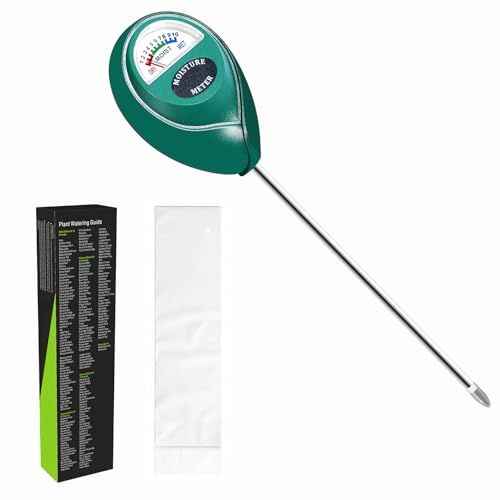
Trusted Since 2015: Become one of the many plant lovers who rely on the proven accuracy of XLUX. Established in 2015, our soil moisture meter has earned over 60,000+ verified ratings for its consistent performance. While many many newer brands come and go, we provide the long-term reliability and quality that American households have trusted for over a decade.

【4 in 1 function】This is a 4-in-1 multifunctional soil tester.Our soil tester fastly to measure soil moisture, pH, temperature and sunlight to help you take better care of flowers and plants.You can know when you need to water your soil by measuring moisture and pH & Temperature value of the soil and sunlight level of plants with it.
Mango Tree Pot Watering Techniques
Watering a mango tree in a pot requires careful attention, especially in Oregon’s unique climate. Understanding the specific needs of your container-grown mango is essential for its health and productivity. This section explores effective watering techniques that will help ensure your mango tree thrives in the Pacific Northwest.
Water when the top inch of soil feels dry.
Ensure water drains out of the bottom of the pot.
Adjust frequency based on seasonal changes.
Fertilization Strategies for Mango Trees
Mango trees thrive in the warm climates of tropical regions, but with the right care, they can flourish in pots even in Oregon’s cooler climate. Understanding effective fertilization strategies is crucial for promoting healthy growth and fruit production in container-grown mango trees. This section explores the best practices for nourishing these trees to ensure they thrive in the Pacific Northwest.
Regular fertilization supports the growth of mango trees. Use a balanced fertilizer formulated for fruiting plants.
Recommended Products

CITRUS PLANT FOOD: This avacado, mango and citrus fruit tree fertilizer feeds plants for up to 3 months and nourishes above and below the soil

Package contains 9 tree and shrub fertilizer spikes and are produced to avoid wasteful runoff, mess, hazards and smells

🌿 Balanced 10-10-10 Granular Fertilizer for Outdoor & Indoor Plants: All-purpose plant food with 10% Nitrogen, 10% Phosphorus, and 10% Potassium. Perfect for outdoor vegetable gardens, fruit trees, evergreens, shrubs, lawns, and flowers. Also great for potted plants and indoor gardening. One solution for all your plant needs!
Spring Fertilization for PNW Mango Trees
Spring is a crucial time for nurturing mango trees in pots, especially in the unique climate of the Pacific Northwest. Proper fertilization during this season not only supports healthy growth but also enhances fruit production. Understanding the specific needs of container-grown mango trees will help you achieve a thriving garden despite the region’s challenges.
Spring: Apply a slow-release fertilizer as new growth begins.
Summer: Feed every 4-6 weeks with a liquid fertilizer.
Fall: Reduce feeding as the tree prepares for dormancy.
| Season | Fertilizer Type | Frequency |
|---|---|---|
| Spring | Slow-release | Once |
| Summer | Liquid | Every 4-6 weeks |
| Fall | None | N/A |
PNW Climate Protection for Mango Trees
Mango trees thrive in warm climates, making their successful cultivation in Oregon’s Pacific Northwest a challenge. Understanding how to protect these tropical plants from the region’s cooler temperatures and variable weather is essential for container gardening enthusiasts. This section explores effective strategies to ensure your mango trees flourish despite the PNW’s unique climate conditions.
Oregon’s climate can be challenging for tropical plants. Protect your mango tree from cold temperatures and excessive rain.
Indoor Winter Care for Potted Mango Trees
Caring for potted mango trees indoors during the winter months in Oregon requires special attention to their unique needs. Understanding temperature, humidity, and light requirements will help ensure these tropical plants thrive despite the cooler climate. This section will provide practical tips for maintaining healthy mango trees in containers throughout the winter season.
Move the pot indoors during freezing temperatures.
Use frost cloths to cover the tree on particularly cold nights.
Ensure the tree receives adequate light indoors.
Container Pruning Strategies for Mango Trees
Pruning is essential for maintaining the health and productivity of mango trees grown in pots, especially in Oregon’s unique climate. Proper container pruning strategies can help manage growth, improve air circulation, and enhance fruit quality. Understanding these techniques will ensure your mango trees thrive in a limited space while adapting to the Pacific Northwest’s gardening challenges.
Regular pruning helps maintain the shape and health of mango trees. Prune during the growing season to encourage branching and fruit production.
Pruning Techniques for PNW Mango Trees
Pruning is essential for maintaining the health and productivity of mango trees grown in pots, especially in the unique climate of the Pacific Northwest. Proper techniques can help shape the tree, promote airflow, and encourage fruit production, ensuring that your container-grown mango thrives despite the region’s challenges. Understanding these methods is key to successful mango cultivation in Oregon.
Remove any dead or diseased branches.
Trim back overly long branches to promote bushier growth.
Shape the tree to allow for better air circulation.
Pest and Disease Inspection for Mango Trees
Maintaining the health of mango trees in pots requires vigilant pest and disease inspection, especially in the unique climate of Oregon. Understanding common threats and their signs can help gardeners take proactive measures to protect their trees. This section will explore essential tips for identifying and managing potential issues effectively.
Pests can be a significant issue for mango trees in pots. Regularly inspect your tree for signs of infestation or disease.
Pest Management for Potted Mango Trees
Managing pests is crucial for the health of potted mango trees in Oregon’s unique climate. Understanding the specific threats these trees face in a container environment can help gardeners implement effective strategies. This section explores common pests and offers practical solutions to ensure your mango trees thrive despite potential challenges.
Aphids: Small, green insects that can weaken the tree.
Spider mites: Tiny pests that cause leaf discoloration.
Scale insects: Hard, shell-like pests that can be removed with horticultural oil.
| Pest | Symptoms | Treatment |
|---|---|---|
| Aphids | Curling leaves | Insecticidal soap |
| Spider mites | Yellow spots | Neem oil |
| Scale insects | Sticky residue | Horticultural oil |
Optimal Mango Harvesting Timing
Understanding the optimal timing for harvesting mangoes is crucial for maximizing flavor and quality, especially in Oregon’s unique climate. This section delves into the specific signs of ripeness, seasonal considerations, and best practices for ensuring your container-grown mango trees yield the sweetest fruit possible. With the right approach, you can enjoy a bountiful harvest even in the Pacific Northwest.
Once your mango tree begins to produce fruit, knowing when to harvest is crucial. Mangoes should be picked when they start to change color and feel slightly soft to the touch.
Mango Fruit Harvesting Techniques
Harvesting mango fruit requires careful timing and technique, especially when growing in pots in Oregon’s unique climate. Understanding the signs of ripeness and employing the right methods can significantly enhance the yield and quality of your mangoes. This section will explore effective harvesting strategies tailored for container-grown mango trees in the Pacific Northwest.
Use pruning shears to cut the fruit from the tree.
Handle fruit carefully to avoid bruising.
Allow harvested mangoes to ripen at room temperature.
By following these guidelines, you can successfully grow mango trees in pots in Oregon. Proper pot selection, soil preparation, and care practices will lead to healthy trees and delicious fruit.
