

Growing jujube trees in Massachusetts is feasible with the right techniques and local knowledge. These trees thrive in well-drained soil and require specific care to adapt to the local climate and conditions.
Choosing the Best Jujube Varieties for Massachusetts
Selecting the right jujube varieties is crucial for successful cultivation in Massachusetts. The state’s unique climate and soil conditions require careful consideration of specific types that thrive in the region. Understanding the best options available will help ensure a fruitful harvest and a healthy tree.
Choosing the right variety of jujube tree is crucial for successful growth in Massachusetts. The two most popular varieties are Li and Lang. Both are known for their adaptability and resilience.
Li: Produces sweet, large fruit and is self-pollinating.
Lang: Offers a slightly smaller fruit with a unique flavor profile.
Consider your local climate and soil type when selecting a variety.
Recommended Products

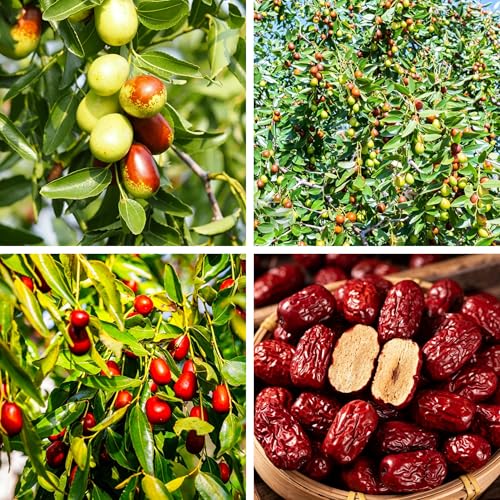
Easy to Sow: Jujube seeds adapt to most climates, low-maintenance for home gardens

Compact Starter Size: 8-14” tall bare root tree, ideal for planting in gardens, yards, or small orchards
Essential Supplies for Jujube Cultivation
Growing jujube trees in Massachusetts requires careful preparation and the right tools. Understanding the essential supplies needed for successful cultivation can significantly enhance your chances of thriving trees and fruitful harvests. This section outlines the key items you should gather to ensure your jujube trees flourish in the local climate.
Before planting, gather essential supplies to ensure a successful growth process. A well-prepared setup can make a significant difference in tree health and fruit yield.
| Supply Item | Purpose |
|---|---|
| Quality Soil | Provides nutrients and drainage |
| Mulch | Retains moisture and suppresses weeds |
| Fertilizer | Supports growth during early stages |
| Pruning Shears | Maintains tree shape and health |
Ensure all supplies are ready before planting to streamline the process.
Recommended Products

· ULTRA-SHARP SK5 STAINLESS STEEL - Engineered with premium SK5 stainless steel, these heavy duty pruning shears deliver razor-sharp precision and maximum hardness. The rust-resistant blades are designed to stay sharp longer, effortlessly resisting corrosion and sap buildup for smooth, friction-free garden shears performance year after year.

DUAL CUTTING POWER: VERSATILE PRUNING COMBO --- With both Pruning Shears and Pruning Snip, this combo delivers unmatched versatility. Whether you're delicately trimming flowers and shrubs, tackling thicker tree branches, or tending to your vegetable and fruit garden, our combo pack excels in all areas. They're also perfect for landscaping projects and maintaining the health and appearance of indoor plants. With this pack, you have a versatile tool that simplifies your gardening tasks.

AMBIDEXTROUS DESIGN: Pruner shape is designed for both right and left-handed use while pruning indoor & outdoor plants such as shrubs, ornamental trees, vines, & flowers like roses; SoftGrip handle reduces hand fatigue & enhances comfort and control
Jujube Tree Planting Preparation Steps
Growing jujube trees in Massachusetts requires careful planning to ensure successful cultivation in the region’s climate. Proper preparation is crucial for establishing healthy trees that can thrive and produce fruit. This section outlines essential steps to take before planting, helping you set the foundation for a fruitful jujube harvest.
Proper preparation is key to establishing healthy jujube trees. Start by selecting a sunny location with well-drained soil.
Soil Testing: Conduct a soil test to check pH levels. Jujube trees prefer slightly acidic to neutral pH (6.0-7.0).
Clearing the Area: Remove any weeds or debris from the planting site to reduce competition for nutrients.
Always wear gloves and protective eyewear when handling soil and tools to avoid injury.
Successful Jujube Tree Planting Techniques
Planting jujube trees in Massachusetts requires careful consideration of local climate and soil conditions. Understanding the best techniques for successful planting can significantly enhance growth and fruit production. This section outlines effective methods tailored to the region, ensuring your jujube trees thrive in their new environment.
Follow these steps for successful planting of your jujube trees. Timing is essential; plant in early spring after the last frost.
Dig a Hole: Create a hole twice the width of the root ball and as deep as the roots.
Add Soil Amendments: Mix in compost or well-rotted manure to enhance soil fertility.
Position the Tree: Place the tree in the center of the hole, ensuring the root collar is level with the soil surface.
Backfill: Fill the hole with soil, gently tamping it down to remove air pockets.
Water Thoroughly: Provide ample water to settle the soil around the roots.
Monitor the tree closely for the first few weeks to ensure it establishes well.
Jujube Tree Watering and Nutrient Tips
Proper watering and nutrient management are crucial for the successful growth of jujube trees in Massachusetts. Understanding the specific needs of these trees will help ensure they thrive in the local climate. This section provides essential tips on how to effectively water and nourish your jujube trees for optimal health and productivity.
Proper watering and nutrient management are vital for the health of jujube trees. These trees are drought-resistant but benefit from consistent moisture during their early growth stages.
Watering Schedule: Water deeply once a week, adjusting frequency based on rainfall.
Fertilization: Use a balanced fertilizer in early spring and again in mid-summer.
Avoid over-fertilizing as it can lead to excessive leaf growth at the expense of fruit production.
Jujube Tree Pruning Techniques for Massachusetts
Pruning jujube trees is essential for promoting healthy growth and maximizing fruit production, especially in Massachusetts’ unique climate. Understanding the right techniques and timing can significantly impact the tree’s development and yield. This section provides practical advice tailored to local conditions, ensuring your jujube trees thrive through effective pruning practices.
Pruning is essential for maintaining the shape and health of jujube trees. Proper techniques will encourage better fruit production and airflow.
Timing: Prune during late winter or early spring before new growth begins.
Methods: Remove dead or crossing branches and thin out crowded areas to improve sunlight penetration.
This practice not only enhances fruit yield but also reduces disease risk.
Jujube Tree Pest and Disease Control
Maintaining the health of jujube trees in Massachusetts requires vigilance against pests and diseases that can threaten their growth. Understanding the common issues that affect these trees and implementing effective control measures is essential for successful cultivation. This section provides targeted strategies to help you protect your jujube trees and ensure a thriving harvest.
Monitoring for pests and diseases is crucial for the longevity of your jujube trees. Common pests include aphids and spider mites, while diseases like root rot can occur in poorly drained soil.
Preventive Measures: Use organic insecticides if necessary and ensure proper drainage in planting sites.
Regular Inspections: Check leaves and branches regularly for signs of infestation or disease.
Act promptly to manage any issues to maintain tree health.
Recommended Products

READY-TO-USE CONTACT SPRAY: No mixing required. Thoroughly spray insecticide on all plant parts, including the underside of leaves. Pests must be sprayed directly to achieve control
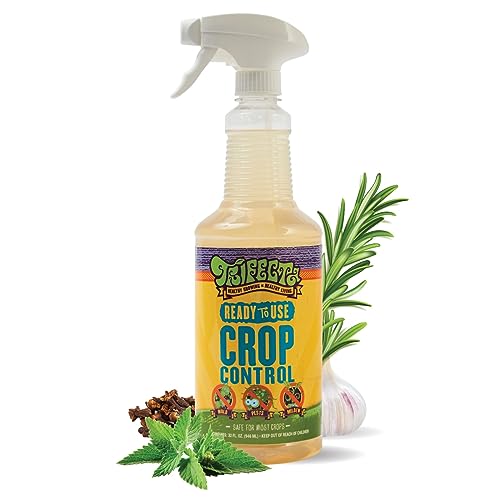
CROP, GARDEN & HOUSEPLANT INSECT CONTROL. Trifecta Crop Control all-natural, plant-based formula effectively combats destructive spider mites, aphids, whiteflies, fungus gnats, and other soft-bodied pests on indoor and outdoor plants. Our biodegradable, eco-friendly solution is safe for use on edible crops, without chemical residues. Our gentle yet potent plant spray suffocates and dehydrates pests without harming beneficial insects or the environment, making it ideal for organic gardening.

3-IN-1 PLANT CARE: 3-In-1 Insect, Disease & Plant Mite Control provides insect control, disease control, and plant mite control all in one; Rainproof protection starts in 4 hours and lasts up to 14 days
Jujube Fruit Harvest Timing Strategies
Understanding the optimal timing for harvesting jujube fruit is crucial for maximizing flavor and yield. In Massachusetts, where climate conditions can vary, employing specific strategies can ensure that you pick your jujubes at their peak ripeness. This section offers practical advice tailored to local growers to help you achieve the best results.
Harvesting jujube fruit at the right time ensures maximum sweetness and flavor. Timing is critical as fruit can be consumed fresh or dried.
Harvesting Window: Monitor fruit color; they should turn a dark brown when ripe.
Technique: Gently twist or cut the fruit from the branch to avoid damaging the tree.
Store harvested fruit in a cool, dry place to extend shelf life.
Jujube Tree Care Tips for Massachusetts
Caring for jujube trees in Massachusetts requires an understanding of the local climate and soil conditions. This section provides essential tips tailored to the region, ensuring that your jujube trees thrive and produce abundant fruit. From planting techniques to pest management, these insights will help you cultivate healthy trees suited to your environment.
Growing jujube trees in Massachusetts requires attention to detail and a commitment to care. By following these guidelines, you can enjoy a fruitful harvest for years to come.
