

Have you ever wondered how long it takes for a mango tree to bear fruit? If you’re dreaming of enjoying sweet, juicy mangoes straight from your garden, you’re not alone. Many people are eager to plant their own mango trees but aren’t sure what to expect in terms of time and care.
Growing a mango tree can be a rewarding experience, but patience is key. In this article, you’ll discover how many years it typically takes for these tropical beauties to start producing fruit. You’ll also learn about the factors that influence their growth, so you can set realistic expectations and enjoy the journey to your first mango harvest.
Key Takeaways
- Time to Fruiting: Mango trees usually take 3 to 6 years to produce fruit, with grafted varieties bearing fruit in as little as 2 to 4 years.
- Influential Factors: Growth and fruiting speed depend on tree variety, care practices, and climate conditions including temperature and sunlight exposure.
- Optimal Conditions: For best results, mango trees thrive in well-drained sandy soil with a pH between 5.5 and 7.5, and require warm temperatures of 70°F to 100°F.
- Regular Maintenance: Fertilizing three times a year, prudent pruning, and vigilant pest management are crucial for healthy growth and productivity.
- Harvest Timing: Harvest ripe mangoes in late spring to summer, looking for color changes and softness as ripeness indicators.
- Common Issues: Flower drop and poor fruit quality can arise from excessive watering or nutrient deficiencies, highlighting the importance of proper care.
Overview Of Mango Trees
Mango trees (Mangifera indica) thrive in tropical and subtropical climates. They grow tall, reaching heights of up to 100 feet. The trees feature broad, evergreen leaves and produce fragrant, pinkish-white flowers. Understanding the characteristics of mango trees helps you cultivate them successfully.
Growth Timeline
Mango trees typically take 3 to 6 years to start producing fruit. Several factors affect this timeline:
- Variety: Some mango varieties, like Haden or Tommy Atkins, bear fruit sooner than others.
- Care: Proper care, including watering, fertilizing, and pruning, promotes healthy growth and quicker fruiting.
- Climate: Warm temperatures and plenty of sunlight enhance growth.
Ideal Growing Conditions
Mango trees flourish in specific conditions:
- Soil: Well-drained, sandy soils with a pH between 5.5 and 7.5 support healthy growth.
- Temperature: Mango trees prefer temperatures between 70°F and 100°F. Protect young trees from frost.
- Watering: Regular watering during dry spells is crucial, but avoid overwatering, which can lead to root rot.
Maintenance Tips
To encourage your mango tree to produce fruit, consider these tips:
- Fertilize Regularly: Use balanced fertilizers to provide essential nutrients. Apply fertilizer three times a year—once in early spring, summer, and early fall.
- Prune Wisely: Prune to remove dead or diseased branches, enhancing air circulation and light exposure.
- Control Pests: Monitor for pests like aphids or mealybugs. Use organic pesticides to manage any infestations.
Common Issues
You might encounter issues that impact fruit production:
- Flower Drop: Excessive watering or sudden weather changes can cause flowers to drop prematurely.
- Poor Fruit Quality: Nutrient deficiencies or inadequate sunlight can lead to small, tasteless mangoes.
Anticipating the Harvest
Once your mango tree starts fruiting, expect to harvest ripe mangoes in late spring to summer. Monitor color changes and aroma to determine ripeness. With patience and care, you’ll soon enjoy homegrown mangoes.
Factors Influencing Fruit Production
Several factors influence how long it takes for a mango tree to produce fruit. Understanding these factors can help you nurture your tree effectively and set realistic expectations for fruiting.
Recommended Products
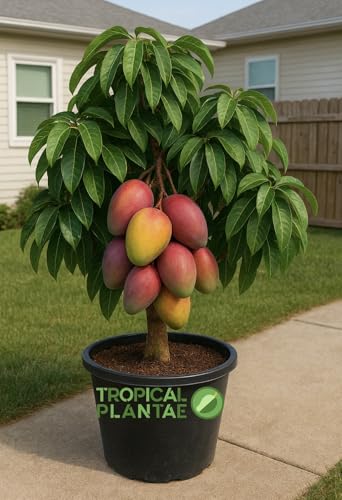
Imagine stepping into your backyard a few months from now and seeing a beautiful grafted Haden mango tree, growing stronger every day — a tree that will soon reward you with one of the most classic, flavorful mangoes ever grown.
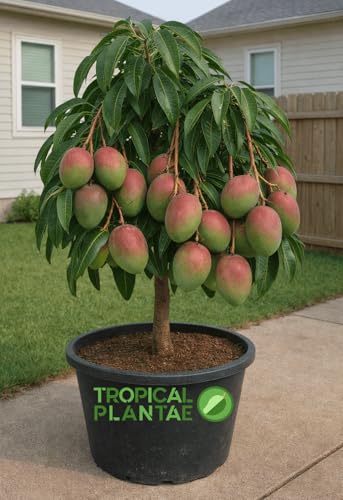
Imagine stepping outside your home and seeing a healthy mango tree growing stronger every season—one that doesn’t just decorate your yard, but adds real value to your daily life.

2X MORE VALUE: The 16 oz of Mango Liquid Plant Fertilizer makes 16 gallons of liquid fertilizer, while the bigger size 32 oz bottle makes 32 gallons, ensuring long-lasting care for all mangoes.
Climate Requirements
Mango trees thrive in warm, tropical and subtropical climates. Ideal temperatures range from 70°F to 100°F. Consistent sunlight and minimal frost increase the chances of early fruit production. Locations receiving full sun exposure promote healthy growth. If your area experiences cold winters, consider planting your mango tree in a greenhouse or providing protection during frosty nights.
Soil Conditions
Well-drained sandy or loamy soil boosts the health of mango trees. Soil should have excellent drainage to prevent root rot. Ideally, the soil’s pH should be slightly acidic to neutral, between 5.5 and 7.5. Mixing organic compost into the soil enhances nutrient content, aiding in fruit production. Regularly testing the soil can help you maintain optimal conditions.
Tree Variety
The variety of mango tree greatly affects the time to fruiting. Some varieties, like ‘Kent’ or ‘Haden,’ produce fruit in about 3 to 5 years, while others, such as ‘Cogshall’ or ‘Alphonso,’ may take 4 to 6 years. Choosing the right variety for your specific climate and soil conditions can expedite your waiting time. Research local nurseries to find the best-suited variety for your region.
Timeline For Mango Trees To Produce Fruit
Mango trees follow a specific timeline to start producing fruit. Understanding these stages helps you set realistic expectations for your trees.
Recommended Products

Imagine stepping into your backyard and seeing a healthy mango tree that isn’t just decorative, but working for you—growing, maturing, and moving you closer to harvesting your own premium mangos. That’s exactly what this Grafted Palmer Mango Tree offers.
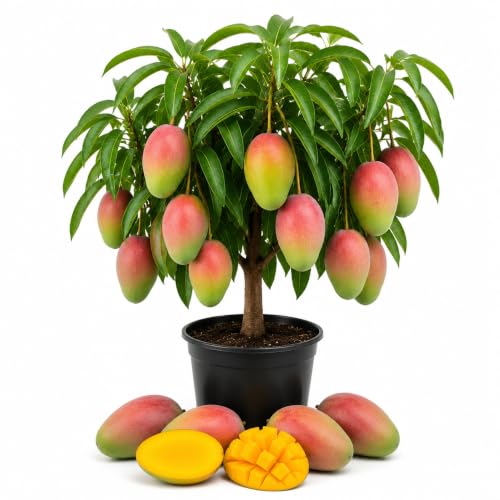

The Ivory Mango Tree, a grafted variety of Mangifera indica, is a highly sought-after tropical fruit tree known for its unique elongated fruit, creamy texture, and exceptional flavor. This premium mango variety is native to Southeast Asia and has become a favorite among mango enthusiasts worldwide. Its grafted nature ensures reliable fruit quality, early fruiting, and adaptability, making it an excellent choice for home gardens and orchards.
Seedling Stage
Mango trees typically begin their life cycle from seeds or grafts. From a seed, you can expect a period of 3 to 6 years before the tree bears fruit. Factors like soil quality and care influence this timeline. For instance, trees planted in rich, well-drained soil and provided adequate water may fruit sooner, often around the 3-year mark. In contrast, trees in less optimal conditions may take the full 6 years.
Grafted Trees
Grafted mango trees offer a faster route to fruit production. These trees can produce fruit within 2 to 4 years after planting. Grafting involves joining a branch from a mature tree to a younger one, combining the best traits of both. Successful grafting and favorable growing conditions, such as a consistent watering schedule and sunshine, contribute to quicker fruit production. Some popular grafted varieties include Ataulfo and Haden, known for their excellent flavor and relatively early fruiting.
Expectations For Fruit Yield
Understanding fruit yield expectations for mango trees (Mangifera indica) helps you appreciate the journey to your first harvest.
Recommended Products

Let our professionally formulated plant food help your fruit tree grow healthy, strong AND abundantly producing

Let our professionally formulated plant food help your fruit tree grow healthy, strong AND abundantly producing

Mango Haden is a popular mango variety known for its delicious flavor and vibrant yellow skin. The medium to large-sized fruit has smooth, juicy flesh that is sweet and tangy.
Timeline for Fruiting
- Grafted Trees: Expect fruit production in 2 to 4 years. These trees benefit from grafting techniques that enhance growth.
- Seedling Trees: Anticipate a 3 to 6 year wait for fruit. The duration varies based on tree care and soil conditions.
Factors Affecting Yield
- Variety: Choose varieties wisely. Early varieties, like Ataulfo, may bear fruit sooner than later ones, such as Kent.
- Soil Quality: Maintain well-drained sandy or loamy soil. Proper soil supports root health and enhances fruit development.
- Climate: Ensure exposure to full sun. Warm temperatures between 70°F and 100°F promote healthy growth and fruiting.
Maintenance Practices
- Fertilization: Apply balanced fertilizers in spring. Regular feeding nourishes the tree and supports fruit production.
- Pruning: Trim the tree annually. Pruning encourages healthy growth and improves air circulation, boosting fruit yield.
- Pest Control: Monitor for pests regularly. Addressing pest issues promptly prevents damage to flowers and fruits.
- Flowering Season: Observe blooms in late winter to early spring. Flower development signals a forthcoming harvest.
- Ripe Indicators: Check for skin color changes and slight softness. These signs indicate maturity, typically between late spring and summer.
By understanding these expectations and techniques, you prepare for a successful mango tree harvest.
Conclusion
Growing a mango tree is a rewarding journey that requires patience and care. As you nurture your tree over the years you’ll find that your efforts will pay off with delicious homegrown mangoes. Remember that factors like climate and soil quality can make a big difference in how quickly your tree produces fruit.
With the right conditions and maintenance you can enjoy your first mango harvest sooner than you think. Whether you choose a grafted variety for quicker results or a seedling for a traditional experience your mango tree will surely bring joy to your garden. So get ready to savor those sweet, juicy mangoes in the seasons to come!
Frequently Asked Questions
How long does it take for a mango tree to bear fruit?
Mango trees typically take 3 to 6 years to produce fruit. However, grafted varieties can bear fruit sooner, within 2 to 4 years. Growth is influenced by tree variety, care, and environmental conditions.
What factors influence mango tree growth?
The growth of mango trees is influenced by several factors, including the variety of the tree, soil conditions, climate, and care practices. Ideal conditions include well-drained sandy soils and temperatures between 70°F and 100°F.
What is the best soil for growing mangoes?
Mango trees thrive in well-drained sandy or loamy soils with a slightly acidic to neutral pH. Good drainage is crucial to prevent root rot and support healthy growth.
How can I maintain my mango tree for better fruit production?
To encourage fruit production, regularly fertilize your mango tree in spring, practice annual pruning, and monitor for pests. These maintenance tasks help promote a healthy tree and improve yield.
When is the best time to harvest mangoes?
Mangoes are typically ready for harvest between late spring and summer. Indicators of ripeness include changes in skin color and slight softness when gently pressed.
Can I grow mango trees in non-tropical climates?
Mango trees require warm climates with full sun exposure. In non-tropical regions, it may be challenging to grow them successfully without protective measures, such as indoor planting or greenhouses.
What are common issues affecting mango fruit quality?
Common issues include flower drop and poor fruit quality, which can result from stress factors like inadequate watering, poor nutrition, or pest infestations. Regular care helps mitigate these problems.
