
Close Menu
    Fruit Tree Hub
    • Home
    • Apple Trees
    • Lemon Trees
    • Mango Trees
    • Orange Trees
    • More Trees
      • Best Fruit Trees
      • Apricot Trees
      • Cherry Trees
      • Fig Trees
      • Lime Trees
      • Mulberry Trees
      • Peach Trees
      • Pear Trees
      • Plum Trees
      • Pomegranate Trees
    • Tips and Advice
      • Tools
    • About Us
      • Contact
      • Privacy Policy
    Fruit Tree Hub
    Home»Tools»Ensuring Safety: How to Securely Retie the Rope on Your Tree Pruner
    Tools

    Ensuring Safety: How to Securely Retie the Rope on Your Tree Pruner

    Lucy SmithBy Lucy SmithApril 10, 20245 Mins Read
    Share Facebook Twitter Pinterest WhatsApp Email
    Share
    Facebook Twitter LinkedIn Pinterest Telegram Email

    Ever found yourself struggling with a tangled mess of rope while trying to trim those hard-to-reach branches? Picture this: you’re all set to tackle your pruning tasks, but the rope on your tree pruner has other plans, leaving you in a frustrating predicament. How can you efficiently retie the rope and get back to your gardening adventures without the hassle? That’s where this article comes in to save the day!

    Contents show
    1 Assessing the Condition of the Rope
    2 Removing the Old Knot
    3 Determining the Correct Length of Rope
    4 Tying a Secure Knot
    5 Testing the Rope for Functionality
    6 Conclusion
    7 Frequently Asked Questions
    7.1 How should I test the rope after tying a secure knot for a tree pruner?
    7.2 Why is it important to regularly check and test the rope for a tree pruner?

    Assessing the Condition of the Rope

    When evaluating the rope on your tree pruner, consider the following factors:

    • Check for Wear and Tear: Look for fraying, cuts, or any signs of damage.
    • Test the Strength: Ensure the rope can support the weight of the pruner.
    • Inspect Knots: Examine the current knots for looseness or instability.
    • Note the Length: Make sure the rope is of sufficient length for your needs.

    Remember, a well-maintained rope is essential for smooth pruning.

    Removing the Old Knot

    When Removing the Old Knot on your tree pruner’s rope, start by carefully examining the knot. Look for any twists, tangles, or tight spots that could be causing issues. Use your fingers to gently loosen the knot until it’s easy to untie.

    Next, trace the rope carefully to ensure you’re undoing the correct knot. Take your time to avoid creating more tangles in the process. Once you’ve identified the knot, hold the rope firmly and begin to untie it slowly.

    MUST READ
    How to Use Fiskars Pruner Blade Sharpener: Step-by-Step Guide for Efficient Gardening

    If the knot is too tight to undo by hand, try using a small tool like a screwdriver or a pair of pliers to help loosen it. Be cautious not to damage the rope while doing this. Gently wiggle the tool to create space and make it easier to untie the knot.

    After successfully removing the old knot, inspect the rope for any signs of wear or damage. Check for fraying, cuts, or weak spots that could compromise the rope’s integrity. Replace the rope if you notice any significant issues to ensure safe and efficient pruning.

    Remember, patience is key when tackling knots on your tree pruner’s rope. Stay calm, take your time, and handle the rope gently to avoid creating additional tangles or damage.

    Determining the Correct Length of Rope

    To ensure a successful retying of the rope on your tree pruner, you’ll need the correct length of rope. Here are some steps to help you determine the exact measurement required:

    • Measure the existing rope: Simply remove the old rope and lay it out in a straight line to measure its length.
    • Add a few extra inches: It’s recommended to add a few extra inches to the measured length to accommodate for any extra slack or room for adjustments.
    • Consider the pruner’s reach: Factor in the length needed based on how far you typically extend the pruner to reach the branches.

    Once you have determined the correct length of rope needed, you’re one step closer to successfully retieing the rope on your tree pruner.

    Tying a Secure Knot

    When tying a secure knot for your tree pruner, choosing the right type of knot is essential. Opt for knots like the Figure-Eight Knot or the Bowline Knot known for their strength and reliability.

    MUST READ
    Where to Buy Stihl GTA 26 Pruner: Authorized Dealers, Garden Centers & More

    To start, position the rope correctly on your pruner by threading it through the designated hole or eyelet. Make sure the rope has enough length on both ends to create the knot securely.

    Here’s a simple step-by-step guide to tying a secure knot:

    • Create a loop with the rope.
    • Pass the end of the rope through the loop.
    • Wrap the end around the standing part of the rope.
    • Pass the end back through the loop.
    • Tighten the knot securely.

    Remember to test the knot’s security by gently tugging on the rope to ensure it holds firmly in place.

    For a visual guide or further clarification on knot tying, seek online tutorials or guides specific to tree pruners. These resources often offer step-by-step visuals to make the process more accessible.

    Ensure that your knot is secure and tight before using your tree pruner to maintain safety and efficiency during pruning tasks.

    Testing the Rope for Functionality

    To ensure your safety and the effectiveness of your tree pruner, Testing the Rope for Functionality is crucial.

    • Gently tug on the rope after tying the knot to check for any slippage or looseness.
    • Look for any signs of wear or damage on the rope that could compromise its strength.
    • Replace the rope if you notice any fraying, cuts, or weak spots to prevent accidents during use.

    By regularly examining and testing the rope, you’ll maintain a reliable tool for your pruning tasks.

    Recommended Products

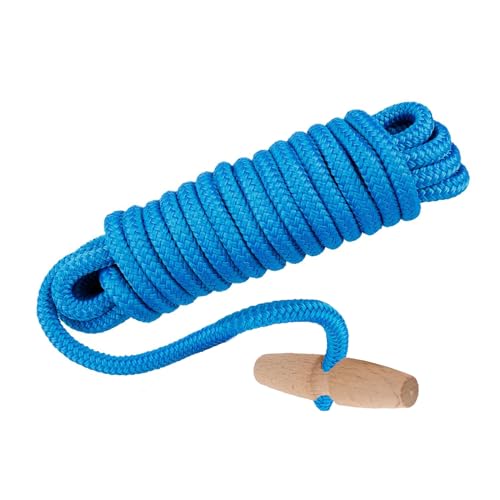
    PR-20 Tree Pruner Rope Replacement Kit (20ft) Compatible with Jameson Fiscar Big Mouth Manual Pole Saw & Tree Pruner - Wooden Handle, Diameter Rope - Tree Trimmers Long Handle Pruner
    PR-20 Tree Pruner Rope Replacement Kit (20ft) Compatible with Jameson Fiscar Big Mouth Manual Pole Saw & Tree Pruner - Wooden Handle, Diameter Rope - Tree Trimmers Long Handle Pruner

    High-quality PR-20 Tree Pruner rope: Measuring 20 feet long, this product is a sturdy tree pruner rope that is compatible with Jameson Fiskars pruners.
    MUST READ
    Mastering Pole Pruner Saw Techniques: Complete Guide to Safe & Effective Use
    VIEW LATEST PRICE

    As an affiliate, we earn on qualifying purchases.

    PR-20 Tree Pruner Rope Replacement, for Jameson Fiscar Big Mouth Manual Pole Saw & Tree Pruner,20 feet Long with a 5/16 inch Diameter(with Wooden Handle)
    PR-20 Tree Pruner Rope Replacement, for Jameson Fiscar Big Mouth Manual Pole Saw & Tree Pruner,20 feet Long with a 5/16 inch Diameter(with Wooden Handle)

    PR-20 Tree Pruner Rope Replacement, for Jameson Fiscar Big Mouth Manual Pole Saw & Tree Pruner,20 feet long with a 5/16 inch diameter(with Wooden Handle)

    VIEW LATEST PRICE

    As an affiliate, we earn on qualifying purchases.

    PR-20 Tree Pruner Rope Replacement (with Wooden Handle), for Jameson Fiscar Big Mouth Manual Pole Saw & Tree Pruner,20 feet long with a 5/16-inch diameter
    PR-20 Tree Pruner Rope Replacement (with Wooden Handle), for Jameson Fiscar Big Mouth Manual Pole Saw & Tree Pruner,20 feet long with a 5/16-inch diameter

    Pole saw rope: PR-20 This poly pruning rope measures 20 feet long with a 5/16-inch diameter, tree pruner replacement rope, Compatible with Jameson Fiskars pruner

    VIEW LATEST PRICE

    As an affiliate, we earn on qualifying purchases.

    Conclusion

    Ensuring the rope on your tree pruner is secure and functional is key to safe and effective pruning. Remember to always test the knot and rope for any signs of wear or damage. Regular inspections and maintenance will help keep your tool reliable for all your pruning needs. Happy pruning!

    Frequently Asked Questions

    How should I test the rope after tying a secure knot for a tree pruner?

    After tying a secure knot for a tree pruner, gently tug on the rope to check for slippage or looseness. Inspect the rope for signs of wear or damage, such as fraying or weak spots. If any issues are found, replace the rope to avoid accidents during use.

    Why is it important to regularly check and test the rope for a tree pruner?

    Regularly examining and testing the rope is crucial to ensure the tool’s reliability for pruning tasks. Checking for wear, damage, or weaknesses in the rope helps prevent accidents and ensures safe and effective use of the tree pruner.

    MUST READ
    Ultimate Guide: Assemble Pruner with Internal Spring for Smooth Gardening
    Share. Facebook Twitter Pinterest LinkedIn Tumblr Email
    lucy smith
    Lucy Smith
    • Website

    Lucy Smith is a highly experienced horticulturist with a passion for fruit tree cultivation. She holds a degree in Horticulture from the University of California, Davis, and has worked in various roles in the industry. With over 10 years of experience, Lucy is dedicated to using eco-friendly methods for sustainable gardening practices.

    Related Posts

    5 Best Cordless Pruners of 2024 – Effortless Gardening Tools Reviewed

    September 26, 2024

    The 5 Best Loppers of 2024: Pruning Made Easy and Efficient

    September 26, 2024

    The 5 Best Pruning Saws of 2024 – Cut Through Your Gardening Tasks With Ease

    September 26, 2024

    The 5 Best Pruning Shears of 2024 – Your Essential Gardening Tools

    September 26, 2024

    5 Best Heavy Duty Pruning Shears for Effortless Gardening in 2024

    September 26, 2024

    The 4 Best Pruning Blades for Reciprocating Saws: Ultimate Guide for Gardeners

    September 26, 2024
    Leave A Reply Cancel Reply

    Affiliate Disclosure

    As an Amazon Associate I earn from qualifying purchases.

    Recommended Reading

    Why My Fig Tree Is Not Fruiting: Common Causes and Solutions for a Bountiful Harvest

    Can you propagate a lemon tree?

    “Why Don’t Cities Plant Fruit Trees: Exploring Barriers and Solutions for Urban Greening”

    Do Cicadas Eat Fruit Trees? Understanding Their Impact and Protecting Your Trees

    When to Transplant Black Raspberries for Healthy Growth and Fruit Production

    Can Fruit Trees Be Planted in the Fall: Tips for Successful Root Development and Care

    Can You Prune Fruit Trees in Fall: Tips for Safe and Effective Pruning Techniques

    Top Shade-Tolerant Fruit Trees for a Lush Garden and Year-Round Harvest

    How to Stop a Mulberry Tree from Fruiting: Effective Tips for a Cleaner Yard

    Can Olive Trees Be Damaged by High Winds

    Fruit Tree Hub

    Fruit Tree Hub is a website dedicated to providing you everything you need to grow fruit trees successfully at in your own yard.

    Contact us at: [email protected]

    - AFFILIATE DISCLOSURE: As an Amazon Associate I earn from qualifying purchases.

    Latest Posts

    Pear Trees in a Pot in Massachusetts (Coastal Growth Manual)

    Can Lime Trees Grow in Lubbock, TX? High Plains Tips

    Can Pomegranate Trees Grow in a Pot in Arizona? Sun Care Tips

    How to Grow Guava Trees in Baltimore, MD: City Secrets

    Persimmon Trees in Los Angeles, CA (Mediterranean Growth Secrets)

    Growing Tangerine Trees in Indiana: Successful Soil Prep Tips

    Best Plum Trees for San Diego, CA: Coastal Growing Tips

    Mulberry Trees in a Pot in Rhode Island (Small Space Success)

    Categories
    • Almond Trees
    • Apple Trees
    • Apricot Trees
    • Best Fruit Trees
    • Blackberry
    • Cantaloupe
    • Cherry Trees
    • Crochet Ideas
    • Crochet Ideas for Beginners
    • Cucamelon
    • Easy Crochet Ideas
    • Easy Knitting Projects
    • Fig Trees
    • Grapefruit Trees
    • Grapes
    • Guava Trees
    • Honeydew
    • Jujube Trees
    • Kiwi
    • Knitting For Beginners
    • Knitting Ideas
    • Knitting Inspiration
    • Lemon Trees
    • Lime Trees
    • Loquat Trees
    • Mango Trees
    • Mulberry Trees
    • Nectarine Trees
    • Olive Trees
    • Orange Trees
    • Papaya Trees
    • Peach Trees
    • Pear Trees
    • Persimmon Trees
    • Planting
    • Plum Trees
    • Pomegranate Trees
    • Quince Trees
    • Raspberry
    • Reviews
    • Small Crochet Ideas
    • Star Fruit Trees
    • Summer Crochet Ideas
    • Tamarind Trees
    • Tangerine Trees
    • Tips and Advice
    • Tools
    • Uncategorized
    • Walnut Trees
    © 2026 Fruit Tree Hub
    • Home
    • About Us
    • Contact
    • Privacy Policy
    • Terms and Conditions
    • Disclaimer
    • Editorial Policy
    • Affiliate Disclosure

    Type above and press Enter to search. Press Esc to cancel.