

Growing fig trees in Baltimore, MD requires understanding the unique urban soil conditions. Proper soil preparation and care can lead to a fruitful harvest. This guide provides essential tips to successfully cultivate fig trees in this specific environment.
Assessing Urban Soil for Fig Growth
Growing fig trees in Baltimore requires a keen understanding of the unique urban soil conditions. Assessing the soil quality is crucial for ensuring healthy growth and fruit production. This section will guide you through the essential steps to evaluate and improve your soil for optimal fig cultivation in the city.
Urban soil differs significantly from rural soil due to construction and human activity. It often contains a mix of clay, sand, and silt, impacting drainage and nutrient availability. Before planting, assess the soil’s texture and pH level.
Soil Texture: Determine if the soil is more clay or sandy.
pH Level: Aim for a pH between 6.0 and 6.8 for optimal fig growth.
Baltimore Soil Testing for Fig Trees
Understanding the unique soil conditions in Baltimore is crucial for successfully growing fig trees. Soil testing helps identify nutrient levels and pH balance, ensuring that you can provide the right amendments for optimal growth. This section will guide you through the essential steps for testing and improving your urban soil to support healthy fig tree development.
Conduct a soil test to identify nutrient deficiencies. Testing kits are available at local garden centers. Based on the results, you may need to amend the soil.
Organic Matter: Incorporate compost to improve soil structure and fertility.
Nutrients: Add bone meal for phosphorus and potassium sulfate for potassium.
| Amendment | Purpose | Application Rate |
|---|---|---|
| Compost | Improves soil structure | 2-3 inches mixed in |
| Bone Meal | Boosts root development | 1 cup per plant |
| Potassium Sulfate | Enhances fruit quality | 1 tablespoon per plant |
Best Fig Tree Varieties for Baltimore
Choosing the right fig tree variety is crucial for successful growth in Baltimore’s unique urban environment. With its distinct climate and soil conditions, certain varieties thrive better than others. This section highlights the best fig tree options that will flourish in the local landscape, ensuring a bountiful harvest for urban gardeners.
Choosing the right fig tree variety is crucial for success in Baltimore’s climate. Some varieties thrive better than others in urban settings.
Brown Turkey: Known for its adaptability and sweetness.
Celeste: Produces small, sweet figs and is cold-hardy.
Kadota: Offers a milder flavor and is great for drying.
Recommended Products

🌱 4 LIVE CELESTE FIG STARTER PLANTS – Receive healthy, vigorous live plants for planting, ready to establish and produce sweet, juicy figs in your garden.


Cold Climate Fig Cultivation: Five Methods Including Overwintering
Fig Tree Planting Strategies for Baltimore
Growing fig trees in Baltimore requires an understanding of the unique urban soil conditions. With the right planting strategies, you can cultivate healthy trees that thrive in the local climate. This section explores effective techniques tailored specifically for the challenges and opportunities presented by Baltimore’s soil.
Proper planting techniques ensure healthy fig trees. Follow these steps for optimal results.
Choose a Location: Select a sunny spot with at least 6 hours of sunlight.
Prepare the Hole: Dig a hole twice as wide as the root ball and just as deep.
Position the Tree: Place the tree in the center, ensuring the root flare is level with the soil surface.
Backfill and Water: Fill the hole with amended soil and water thoroughly.
Urban Fig Tree Watering Techniques
Watering fig trees in an urban environment like Baltimore requires careful attention to both soil conditions and climate variations. Understanding the specific needs of these trees will help ensure they thrive amidst city challenges. This section delves into effective watering techniques tailored for urban fig cultivation, focusing on maintaining optimal moisture levels for healthy growth.
Fig trees require consistent moisture, especially during the growing season. However, overwatering can lead to root rot.
Watering Frequency: Water deeply once a week during dry spells.
Mulching: Apply a 2-inch layer of organic mulch to retain moisture and suppress weeds.
Recommended Products

【Unique Design Deep Root Tree Watering Tool】 Our root watering tool have four exit hole for the water,won't got clogged easily,It made of stainless steel,not rusting from the inside out.It can leave in the soil and is strong enough to drive through gravel,help your plants build a strong root system .
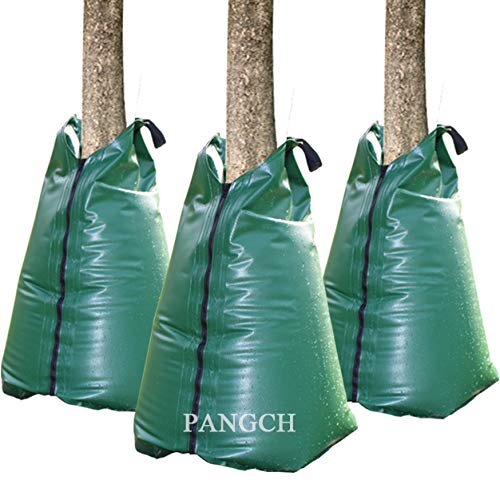
DEEP WATER SATURATION IS KEY - PANGCH tree watering bags deliver water deep below the soil surface, encouraging strong root growth, helping to reduce the effects of transplant & drought shock.Compared to conventional methods, tree watering bag can greatly reduce your watering frequency and save money by eliminating tree replacement and reducing labor costs.
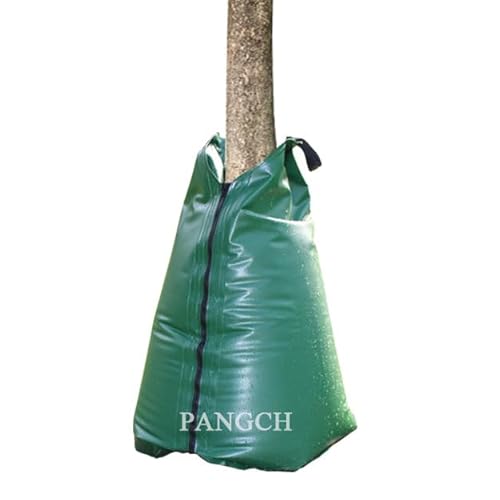
DEEP WATER SATURATION IS KEY - PANGCH tree watering bags deliver water deep below the soil surface, encouraging strong root growth, helping to reduce the effects of transplant & drought shock.Compared to conventional methods, tree watering bag can greatly reduce your watering frequency and save money by eliminating tree replacement and reducing labor costs.
Fertilization Techniques for Fig Trees
Fertilizing fig trees is essential for promoting healthy growth and maximizing fruit production, especially in Baltimore’s unique urban soil conditions. Understanding the right techniques and timing can make a significant difference in the vitality of your trees. This section will explore effective fertilization strategies tailored to the local environment.
Fertilization supports healthy growth and fruit production. Use a balanced fertilizer designed for fruit trees.
Timing: Fertilize in early spring before new growth begins.
Type: Choose a slow-release fertilizer with a balanced N-P-K ratio.
| Fertilizer Type | N-P-K Ratio | Application Rate |
|---|---|---|
| Slow-Release Fertilizer | 10-10-10 | 1 cup per tree |
| Organic Fertilizer | Varies | Follow package instructions |
Urban Pest Control for Fig Trees
Growing fig trees in Baltimore can be rewarding, but urban pests pose unique challenges. Understanding how to effectively manage these pests is crucial for ensuring healthy growth and a bountiful harvest. This section will explore practical strategies for controlling pests that commonly affect fig trees in an urban environment.
Urban environments can attract pests and diseases. Regular monitoring and proactive measures are essential.
Common Pests: Watch for fig beetles and spider mites.
Diseases: Fungal infections can occur in humid conditions.
Recommended Products

PURE: Pure Neem Oil is cold-pressed and solvent-free from wildcrafted neem seeds


Pest Control Strategies for Fig Trees
Managing pests is crucial for the health of fig trees, especially in urban environments like Baltimore. Understanding the common pests that target these trees and implementing effective control strategies can help ensure a thriving harvest. This section explores practical methods to protect your fig trees from infestations while maintaining their overall vitality.
Employ integrated pest management to control issues effectively.
Natural Predators: Introduce beneficial insects like ladybugs.
Neem Oil: Use as a natural pesticide to deter pests.
Pruning Techniques for Fig Tree Health
Pruning is a crucial aspect of maintaining the health and productivity of fig trees, especially in the unique urban environment of Baltimore. Proper techniques not only enhance growth but also improve fruit quality and tree structure. Understanding the right methods will ensure your fig tree thrives in the local soil conditions.
Pruning fig trees enhances air circulation and encourages fruiting.
Timing: Prune in late winter before new growth.
Techniques: Remove dead or crossing branches and thin out crowded areas.
Critical Warning: Avoid heavy pruning, as this can reduce fruit yield.
Fig Harvesting Techniques for Urban Gardens
Harvesting figs in urban gardens requires a blend of timing and technique to ensure optimal flavor and yield. In Baltimore’s unique climate, understanding when and how to pick these fruits can make a significant difference in your gardening success. This section will explore effective methods for harvesting figs, tailored for city dwellers.
Figs are ready for harvest when they feel soft to the touch and have a rich color.
Timing: Harvest in late summer to early fall.
Method: Gently twist the fig to remove it from the stem.
Enjoy fresh figs in salads, desserts, or preserves.
Final Verdict: Growing fig trees in Baltimore is achievable with proper soil management, variety selection, and care.
