

Growing banana trees in Lexington, KY requires specific soil management due to the region’s unique bluegrass soil composition. Proper techniques can lead to healthy, productive plants that thrive in this climate.
Bluegrass Soil Traits for Banana Cultivation
Understanding the unique characteristics of Bluegrass soil is essential for successfully growing banana trees in Lexington, KY. This section delves into the specific soil traits that influence banana cultivation, highlighting key factors such as texture, drainage, and nutrient content that can affect growth and yield in this region.
Bluegrass soil in Lexington is typically clay-heavy and can retain moisture, which is beneficial for growing banana trees. However, it often lacks essential nutrients and can be compacted, hindering root development. Understanding these characteristics is crucial for effective cultivation.
Recommended Products
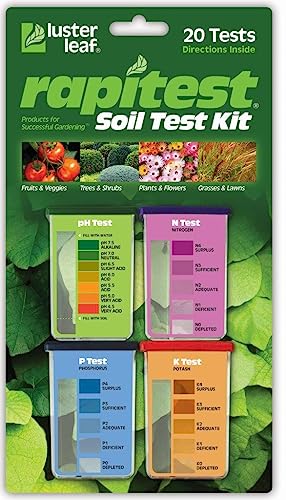
Quick, at home results for Soil pH, Nitrogen, Phosphorous and Potash Innovative and inexpensive soil test kit features an easy-to-use capsule system and patented color comparators

Kindly NOTE: This soil tester can not be applied to test pH value of any other liquid. If the soil is too dry the indicator will not move, and water it before testing.

KNOW BEFORE YOU GROW | Grow the healthiest, sustainable lawn and garden with the most accurate and easy to use professional soil test kit on the market
Nutrient Analysis for Bluegrass Soil
Understanding the nutrient composition of Bluegrass soil is essential for successfully growing banana trees in Lexington, KY. This section delves into the specific nutrients required for optimal growth, highlighting how local soil characteristics can impact the health and productivity of your banana plants. By examining these elements, you can make informed decisions for effective cultivation.
Conducting a soil test is the first step in preparing your planting area. This test will reveal nutrient deficiencies and pH levels, allowing for targeted amendments.
Test Kits: Purchase a reliable soil test kit from a local garden center.
Sample Collection: Collect samples from various spots in your garden to get an average reading.
Analysis: Send samples to a lab if you need detailed analysis or follow the kit instructions for DIY testing.
| Nutrient | Ideal Level | Common Deficiency Signs |
|---|---|---|
| Nitrogen | 20-40 ppm | Yellowing leaves |
| Phosphorus | 10-15 ppm | Poor root development |
| Potassium | 150-200 ppm | Browning leaf tips |
Soil Amendments for Banana Tree Growth
To successfully cultivate banana trees in Lexington, KY, understanding soil amendments is crucial. The unique characteristics of Bluegrass soil can impact growth, requiring specific adjustments to optimize nutrient availability and drainage. This section delves into effective soil amendments that can enhance the health and productivity of banana trees in this region.
After testing, amend the soil based on the results. Banana trees thrive in well-drained, nutrient-rich soil.
Organic Matter: Incorporate compost or well-rotted manure to improve soil structure and nutrient content.
Sand: Mix in coarse sand to enhance drainage, especially if your soil is heavy clay.
Fertilizers: Use a balanced fertilizer with a higher potassium ratio to support fruit development.
Banana Tree Planting Methods in Bluegrass Soil
Planting banana trees in Lexington, KY requires an understanding of the unique characteristics of Bluegrass soil. This section explores effective methods tailored to the region, focusing on soil preparation, planting techniques, and care strategies that will help ensure healthy growth and fruit production in a challenging climate.
Proper planting techniques ensure that your banana trees establish strong roots and grow vigorously.
Cool-Climate Banana Varieties Selection
When considering banana trees for Lexington, KY, selecting the right cool-climate varieties is crucial for successful growth. These varieties are specifically adapted to withstand lower temperatures while still producing fruit, making them ideal for the unique challenges of the Bluegrass region. Understanding the best options will help ensure a fruitful harvest in this climate.
Select banana varieties that are suited to cooler climates. Some recommended varieties include:
Dwarf Cavendish: Known for its compact size and sweet fruit.
Ice Cream Banana: Offers a unique flavor and is more cold-tolerant.
Optimal Banana Tree Planting Techniques
Successfully growing banana trees in Lexington, KY requires understanding the unique challenges posed by the Bluegrass soil. Implementing optimal planting techniques is crucial for ensuring healthy growth and fruit production. This section delves into effective methods tailored to the local environment, helping you cultivate thriving banana trees in your garden.
Follow these steps for optimal planting:
Dig a Hole: Create a hole twice the width of the root ball and as deep as the root system.
Position the Plant: Place the banana tree in the center of the hole, ensuring the crown is level with the soil surface.
Backfill: Fill the hole with amended soil, gently tamping down to eliminate air pockets.
Water: Water thoroughly after planting to settle the soil around the roots.
Banana Tree Watering Techniques in Bluegrass Soil
Proper watering techniques are crucial for successfully growing banana trees in the unique Bluegrass soil of Lexington, KY. Understanding the specific moisture needs of these tropical plants will help ensure healthy growth and fruit production. This section delves into effective watering strategies tailored to the region’s soil characteristics and climate conditions.
Banana trees require consistent moisture but should not be waterlogged.
Recommended Products

Accurate Soil Moisture Detection: The XLUX Soil Moisture Meter can tell you if the soil deep inside your pot or garden is dry, moist or wet; whereas your eyes and fingers can only determine the moisture level of the soil surface. The probe is 5.5 inches (14 cm) longer than regular styles, allowing it to measure the soil moisture at the bottom of larger and deeper flower pots.

Accurate Soil Moisture Detection: The XLUX Soil Moisture Meter can tell you if the soil deep inside your pot or garden is dry, moist or wet; whereas your eyes and fingers can only determine the moisture level of the soil surface. The probe is 5.5 inches (14 cm) longer than regular styles, allowing it to measure the soil moisture at the bottom of larger and deeper flower pots.

Soil Moisture Meter: This single probe soil moisture meter is specially designed for testing the moisture level in the soil, helps you decide whether the plants need water or not, helps to keep plants alive.
Optimal Watering Practices for Lexington Banana Trees
When cultivating banana trees in Lexington, KY, understanding optimal watering practices is crucial for their growth and fruit production. The unique climate and soil conditions of the Bluegrass region require specific watering techniques to ensure healthy plants. This section will explore the best methods to keep your banana trees thriving in this environment.
Establish a regular watering schedule based on weather conditions:
Weekly Watering: Water deeply once a week during dry spells.
Mulching: Apply organic mulch around the base to retain moisture and regulate soil temperature.
Banana Tree Pest and Disease Control
Maintaining healthy banana trees in Lexington, KY requires vigilance against pests and diseases that can threaten their growth. Understanding the common challenges faced in the Bluegrass region is essential for effective management. This section provides insights into identifying and controlling these issues to ensure your banana trees thrive in the local climate.
Monitor for pests and diseases that can affect banana trees. Common issues include:
Aphids: Small insects that suck sap from leaves.
Fungal Diseases: Look for signs of leaf spots or wilting.
Utilize organic pesticides or neem oil to manage infestations effectively.
Banana Harvesting Techniques for Lexington Soil
Harvesting bananas in Lexington requires understanding the unique characteristics of Bluegrass soil. The right techniques can significantly impact yield and fruit quality, ensuring that the bananas thrive in this specific climate. This section explores effective methods tailored to the local environment, providing practical advice for successful banana cultivation.
Once your banana trees mature, they will produce fruit typically within 9 to 12 months.
Banana Harvesting Best Practices in Bluegrass Soil
Harvesting bananas in Lexington, KY requires careful attention to the unique characteristics of Bluegrass soil. Understanding the optimal timing and techniques for harvesting can significantly impact fruit quality and yield. This section will explore best practices tailored to the local environment, ensuring a successful banana harvest.
Follow these guidelines for harvesting:
Timing: Harvest when the bananas are plump and the fruit begins to turn yellow.
Cutting: Use a sharp knife to cut the entire bunch from the plant.
Fresh Banana Uses and Recipes
Fresh bananas are not only a delicious snack but also versatile ingredients that can enhance a variety of dishes. From smoothies to baked goods, their natural sweetness and creamy texture make them a favorite in both savory and sweet recipes. Exploring creative ways to incorporate fresh bananas into your meals can elevate your culinary experience while maximizing the benefits of your homegrown harvest.
Freshly harvested bananas can be eaten raw or used in various recipes. Consider making banana bread or smoothies for a delicious treat.
Banana Tree Cultivation Tips for Lexington
Cultivating banana trees in Lexington, KY can be a rewarding endeavor, but it requires specific knowledge about the local climate and soil conditions. This section provides essential tips tailored to the unique challenges of growing banana trees in the Bluegrass region, ensuring that your efforts yield healthy plants and fruitful harvests.
Growing banana trees in Lexington requires careful attention to soil management, proper planting techniques, and ongoing maintenance. By following these guidelines, you can enjoy a fruitful harvest in your own backyard.
