Close Menu
    Fruit Tree Hub
    • Home
    • Apple Trees
    • Lemon Trees
    • Mango Trees
    • Orange Trees
    • More Trees
      • Best Fruit Trees
      • Apricot Trees
      • Cherry Trees
      • Fig Trees
      • Lime Trees
      • Mulberry Trees
      • Peach Trees
      • Pear Trees
      • Plum Trees
      • Pomegranate Trees
    • Tips and Advice
      • Tools
    • About Us
      • Contact
      • Privacy Policy
    Fruit Tree Hub
    Home»Tips and Advice»How to Get Your Avocado Tree to Produce Fruit: Essential Care Tips for a Bountiful Harvest
    Tips and Advice

    How to Get Your Avocado Tree to Produce Fruit: Essential Care Tips for a Bountiful Harvest

    Martha JacksonBy Martha JacksonJanuary 17, 20258 Mins Read
    Share Facebook Twitter Pinterest WhatsApp Email
    Share
    Facebook Twitter LinkedIn Pinterest Telegram Email

    Have you ever watched your avocado tree grow lush and green, only to wonder why it hasn’t produced any fruit? You’re not alone. Many avocado lovers face this frustrating situation, feeling like they’re doing everything right but still missing out on that delicious harvest.

    Contents show
    1 Key Takeaways
    2 Understanding Avocado Trees
    2.1 Types of Avocado Trees
    2.2 Growth Conditions for Avocados
    3 Essential Care Practices
    3.1 Watering Requirements
    3.2 Fertilization Guidelines
    3.3 Pruning Techniques
    4 Pollination Factors
    4.1 Importance of Pollinators
    4.2 Types of Pollination
    5 Troubleshooting Fruit Production
    5.1 Common Issues Affecting Fruit Set
    6 Conclusion
    7 Frequently Asked Questions
    7.1 Why won’t my avocado tree produce fruit even though it’s healthy?
    7.2 What types of avocado trees are there?
    7.3 How much water do avocado trees need?
    7.4 When should I fertilize my avocado tree?
    7.5 How can I encourage pollination for my avocado tree?
    7.6 What are the best pruning techniques for avocado trees?
    7.7 What common issues might prevent my avocado tree from setting fruit?

    Key Takeaways

    • Choose the Right Type: Select between Mexican, Guatemalan, or hybrid avocado trees based on your local climate for optimal growth and fruit production.
    • Optimize Growth Conditions: Ensure your tree receives at least 6 hours of sunlight, well-draining soil with a pH of 6.0-7.0, and maintain the ideal temperature between 60°F to 85°F.
    • Implement Proper Watering: Water deeply (1-2 inches weekly) and allow the soil to dry out between watering to prevent root rot and ensure healthy growth.
    • Fertilize and Prune Wisely: Use a balanced fertilizer twice a year and prune during late winter or early spring to encourage strong growth and better fruit yield.
    • Enhance Pollination: Plant multiple avocado varieties and create a pollinator-friendly environment to improve the likelihood of successful cross-pollination for fruit set.
    • Troubleshoot Common Issues: Address factors like insufficient sunlight, soil quality, and water stress, which can hinder fruit production, by monitoring and adjusting care practices accordingly.

    Understanding Avocado Trees

    Avocado trees are fascinating species that require specific conditions to thrive and produce fruit. Knowing the types of avocado trees and their growth requirements enhances your chance of a successful harvest.

    Types of Avocado Trees

    You’ll find several types of avocado trees, but two main categories stand out:

    1. Mexican Avocado (Persea americana var. drymifolia)
      Grows well in cooler climates. It’s known for its thin-skinned fruits with a rich flavor.
    2. Guatemalan Avocado (Persea americana var. guatemalensis)
      Thrives in warmer areas. It features a thicker skin and is more tolerant of frost.
    3. Hybrid Varieties
      These include combinations of both Mexican and Guatemalan types. They’re designed to adapt to various climates while maintaining good fruit quality.
    MUST READ
    Is a Cherry Blossom Tree a Fruit Tree: Understanding Its Unique Characteristics and Differences

    Understanding the characteristics of these types helps you select the right one for your environment.

    Growth Conditions for Avocados

    You want to create ideal growth conditions to help your avocado trees produce fruit. Here are key factors:

    1. Sunlight
      Avocado trees need at least 6 hours of direct sunlight daily. Choose a location that receives plenty of sun.
    2. Soil Quality
      Use well-draining soil enriched with organic matter. A pH level between 6.0 and 7.0 works best.
    3. Watering
      Avocados prefer deep watering rather than frequent shallow watering. Keep the soil consistently moist, but don’t let it become soggy.
    4. Temperature
      Avocado trees thrive in temperatures ranging from 60°F to 85°F. Protect them from frost and extreme heat.
    5. Pollination
      Some avocado trees are self-pollinating, but cross-pollination can improve fruit set. Planting multiple varieties increases the chances of successful pollination.

    By optimizing these growth conditions, you make it easier for your avocado trees to produce fruit consistently.

    Essential Care Practices

    Caring for your avocado tree involves specific practices that boost its chance of producing fruit. Focus on watering, fertilization, and pruning to promote healthy growth.

    Recommended Products
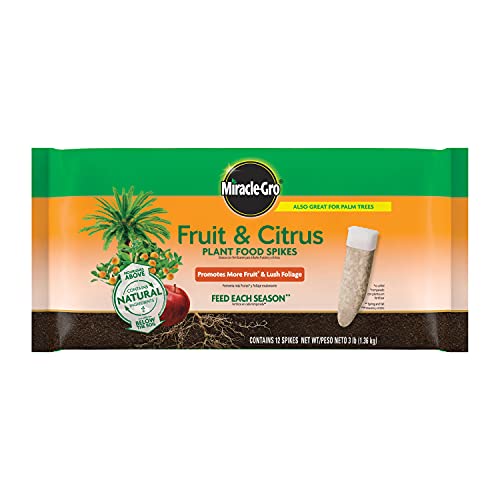
    Miracle-Gro Fruit & Citrus Plant Food Spikes, 12 Spikes, 3 lb.
    Miracle-Gro Fruit & Citrus Plant Food Spikes, 12 Spikes, 3 lb.

    FORMULATED FOR CITRUS AND FRUIT TREES: Use these citrus fertilizer spikes on apple, orange, lemon, lime, and avocado trees; this formula is also great for feeding palm trees

    VIEW LATEST PRICE

    As an affiliate, we earn on qualifying purchases.

    Jobe’s Organics Granular Garden Fertilizer, Easy Plant Care Fertilizer for Fruit and Citrus Plants and Trees, 4 lbs Bag
    Jobe’s Organics Granular Garden Fertilizer, Easy Plant Care Fertilizer for Fruit and Citrus Plants and Trees, 4 lbs Bag

    Package contains 4 Pounds organic fruit and citrus fertilizer grains and is produced to avoid wasteful runoff, mess, hazards and smells

    VIEW LATEST PRICE

    As an affiliate, we earn on qualifying purchases.

    MUST READ
    What Fruit Trees Can Grow in Zone 8b for a Thriving Backyard Harvest
    Nelson - Citrus Fruit & Avocado Tree Plant Food for In-Ground, Containers, & Patios, Granular Fertilizer, NutriStar 12-10-10 (4 lb.)
    Nelson - Citrus Fruit & Avocado Tree Plant Food for In-Ground, Containers, & Patios, Granular Fertilizer, NutriStar 12-10-10 (4 lb.)

    PLANT FOOD FOR FRUIT TREES: Our citrus fruit and avocado plant food features the essential nutrients (NPK) nitrogen (12%), phosphate (10%), and (K20) soluble potash (10%). This balanced nutrient ratio helps trees to grow strong and healthy for ample fruit production. Its high potassium content helps trees to survive in colder weather. We also included calcium in our fertilizer formula to increase the size and strength of the plants' trunks and limbs.

    VIEW LATEST PRICE

    As an affiliate, we earn on qualifying purchases.

    Watering Requirements

    Water your avocado tree deeply, aiming for 1-2 inches of water weekly during the growing season. Ensure the soil dries out between waterings to prevent root rot. Use a moisture meter or your finger to check the soil’s moisture level. Adjust your watering routine based on rainfall and temperature changes—over-watering can be just as harmful as under-watering.

    Fertilization Guidelines

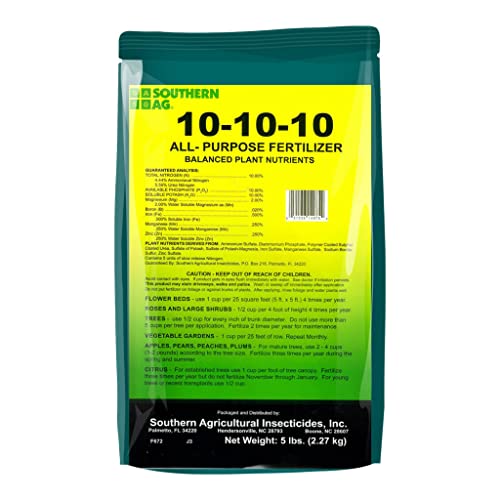
    Fertilize your avocado tree twice a year, in spring and late summer. Choose a balanced fertilizer with equal parts nitrogen, phosphorus, and potassium, like a 10-10-10 mix. Apply according to package instructions, usually around 1-2 cups per application for a mature tree. Additionally, consider adding organic compost or mulch to improve soil quality and nutrient retention.

    Pruning Techniques

    Prune your avocado tree in late winter or early spring to encourage growth and fruit production. Focus on removing dead or crossing branches, which improves airflow and light penetration. Aim to maintain an open center structure, allowing sunlight to reach all parts of the tree. Use clean, sharp pruning shears for clean cuts, minimizing damage to the tree. After pruning, monitor the tree for any signs of stress or disease.

    Pollination Factors

    Pollination plays a vital role in the fruit production of avocado trees. Understanding the importance of pollination and the types involved can significantly enhance your tree’s ability to bear fruit.

    Recommended Products

    Avocado Growing Kits Avocado Seed Starter , With Bracket Bottle and Base
    Avocado Growing Kits Avocado Seed Starter , With Bracket Bottle and Base

    🍐Easy to Use: Prepare a cleaned avocado seed and place it on a metal stand. Add an appropriate amount of water to the bottle to ensure that the bottom of the seed is covered with water. It is recommended to change the water every 2-3 weeks and patiently wait for the seeds to sprout; The germination of avocado seeds usually takes 1-2 months

    MUST READ
    How to Make Citrus Tree Bear Fruit: Essential Tips for Healthy Growth and Abundant Harvests
    VIEW LATEST PRICE

    As an affiliate, we earn on qualifying purchases.

    Avocado Seed Starter Vase - Avocado Tree Growing Kit with Base and Sticker
    Avocado Seed Starter Vase - Avocado Tree Growing Kit with Base and Sticker

    Packing list: Avocado growing kit is made of borosilicate glass and durable stainless steel holder, will not rust due to long-term immersion, clear glass allows you to observe seeds germination and growth.

    VIEW LATEST PRICE

    As an affiliate, we earn on qualifying purchases.

    GrowScripts: Avocado Tree Care Kit for Small Patio/Indoor Trees Grown in Containers
    GrowScripts: Avocado Tree Care Kit for Small Patio/Indoor Trees Grown in Containers

    Tailored for Avocado Trees: Designed specifically for container-grown avocado trees, ensuring they receive the precise nutrients needed for optimal growth and fruitful harvests.\

    VIEW LATEST PRICE

    As an affiliate, we earn on qualifying purchases.

    Importance of Pollinators

    Pollinators, such as bees and other insects, facilitate the transfer of pollen from one flower to another. This process is crucial for fertilization and subsequent fruit development. A diverse pollinator population increases the likelihood of successful pollination. To attract pollinators, consider planting flowers nearby that bloom concurrently with your avocado tree.

    Types of Pollination

    Pollination in avocado trees involves two main types: self-pollination and cross-pollination.

    • Self-Pollination: Some avocado varieties can produce fruit on their own. Trees like ‘Hass’ benefit from this trait, yielding fruit even without external help.
    • Cross-Pollination: Other varieties, such as ‘Fuerte’ and ‘Bacon,’ rely on cross-pollination for optimal fruit set. These trees have both male and female flowers but open at different times, making cross-pollination necessary. Planting a mix of these varieties can enhance overall fruit production by ensuring that flowers are receptive to pollen from another tree.

    By understanding these pollination dynamics, you can take steps to encourage fruit production in your avocado trees, such as planting multiple varieties and fostering a pollinator-friendly environment.

    Troubleshooting Fruit Production

    Understanding the challenges with fruit production can help you identify solutions for your avocado tree. Address common issues to enjoy a fruitful harvest.

    Recommended Products

    Down To Earth All Natural Fertilizers Organic Citrus Mix - 6-3-3, 1 lb
    Down To Earth All Natural Fertilizers Organic Citrus Mix - 6-3-3, 1 lb

    Balanced Organic Nutrition – Supplies a 6‑3‑3 NPK ratio along with calcium, sulfur, iron, and zinc to foster healthy foliage, flowering, and fruit.

    MUST READ
    How Long Until an Orange Tree Bears Fruit: Key Factors for a Successful Harvest
    VIEW LATEST PRICE

    As an affiliate, we earn on qualifying purchases.

    Espoma Organic Citrus-Tone 5-2-6 Natural & Organic Fertilizer and Plant Food for All Citrus, Fruit, Nut & Avocado Trees; 4 lb. Bag. Promotes Vigorous Growth & Abundant Fruit
    Espoma Organic Citrus-Tone 5-2-6 Natural & Organic Fertilizer and Plant Food for All Citrus, Fruit, Nut & Avocado Trees; 4 lb. Bag. Promotes Vigorous Growth & Abundant Fruit

    FOR USE ON: Use Citrus-tone organic fertilizer for all citrus trees, including lemon, lime, orange, Meyer Lemon Trees as well as for avocado & nut trees

    VIEW LATEST PRICE

    As an affiliate, we earn on qualifying purchases.

    Dr. Earth Natural Wonder Organic Fruit Tree Fertilizer - 4lb 5-5-2
    Dr. Earth Natural Wonder Organic Fruit Tree Fertilizer - 4lb 5-5-2

    Natural and Organic Hand Crafted Blend

    VIEW LATEST PRICE

    As an affiliate, we earn on qualifying purchases.

    Common Issues Affecting Fruit Set

    • Insufficient Pollination: Many avocado varieties require cross-pollination. If you’re growing single varieties, fruit set may decrease.
    • Inadequate Sunlight: Avocado trees need at least 6 hours of direct sunlight daily. Lack of sunlight can hinder fruit set.
    • Poor Soil Quality: Compacted or nutrient-deficient soil affects tree health. It can lead to poor fruit production.
    • Water Stress: Underwatering or overwatering disrupts the tree’s health. Ensure consistent moisture while avoiding flooding.
    • Lack of Pruning: Unmanaged growth can block light and reduce air circulation. This inhibits fruit development.
    • Enhance Pollination: Plant a mix of avocado varieties to improve pollination. Include flowers that attract bees and other pollinators.
    • Provide Ample Sunlight: Position your tree in a spot that receives full sunlight. Trim surrounding plants that may cast shadows.
    • Improve Soil Health: Test soil for nutrients and amend accordingly. Use organic compost to boost fertility and drainage.
    • Monitor Watering: Water deeply and consistently, about 1-2 inches per week. Check soil moisture before watering to prevent stress.
    • Implement Pruning Techniques: Prune your tree during late winter or early spring. Focus on removing dead or crowded branches to enhance growth.

    Conclusion

    Getting your avocado tree to bear fruit can feel like a challenge but with the right care and understanding you can turn that frustration into success. Focus on creating the ideal environment for your tree by ensuring it gets enough sunlight and water while also paying attention to soil quality.

    MUST READ
    How Long Do Citrus Trees Produce Fruit: Maximize Your Orchard's Yield Over the Years

    Don’t underestimate the power of pollination either; attracting bees and other pollinators can make a significant difference. By implementing the tips shared in this post and staying patient you’ll be well on your way to enjoying those delicious avocados straight from your own tree. Happy gardening and may your avocado tree thrive!

    Frequently Asked Questions

    Why won’t my avocado tree produce fruit even though it’s healthy?

    Many avocado trees thrive but may not bear fruit due to insufficient pollination, inadequate sunlight, poor soil quality, or improper watering techniques. Understanding these factors can help optimize conditions for fruit production.

    What types of avocado trees are there?

    There are three main types of avocado trees: Mexican, Guatemalan, and hybrids. Each has unique characteristics, climate preferences, and pollination needs. Knowing the right type for your area is crucial for successful fruit production.

    How much water do avocado trees need?

    Avocado trees typically require 1-2 inches of water weekly during the growing season. Ensure the soil can dry out between waterings to prevent root rot. Adjust watering based on rainfall and tree size.

    When should I fertilize my avocado tree?

    Fertilize your avocado tree twice a year using a balanced fertilizer. Additionally, adding organic compost can improve soil quality, supporting healthy growth and increasing the chances of fruit production.

    How can I encourage pollination for my avocado tree?

    To boost pollination, plant flowers that bloom simultaneously with your avocado tree. Introducing different avocado varieties can also enhance cross-pollination opportunities, leading to better fruit set.

    What are the best pruning techniques for avocado trees?

    Prune avocado trees in late winter or early spring to encourage healthy growth and improve sunlight penetration. Removing dead or crowded branches helps maintain tree structure and increases the chances of fruit production.

    What common issues might prevent my avocado tree from setting fruit?

    Common issues that hinder fruit set include inadequate pollination, insufficient sunlight, poor soil health, water stress, and lack of pruning. Addressing these problems can help enhance your tree’s fruiting potential.

    Share. Facebook Twitter Pinterest LinkedIn Tumblr Email
    martha jackson
    Martha Jackson

      Martha Jackson is an accomplished freelance writer and editor with a strong interest in gardening. With a degree in English from the University of California, Berkeley, Martha has over 15 years of experience writing for a variety of publications. She is passionate about making gardening accessible to all and is always seeking out new techniques and innovations.

      Related Posts

      How Long Until Avocado Trees Bear Fruit and Tips for Faster Growth at Home

      February 20, 2025

      What Yellow Fruit Grows on Trees and Their Delicious Health Benefits

      February 20, 2025

      How to Air Layer Fruit Trees: A Step-by-Step Guide for Successful Propagation

      February 20, 2025

      When Do Grapefruit Trees Produce Fruit and How to Maximize Your Harvest

      February 20, 2025

      What Is a Fast Growing Fruit Tree: Discover Quick-Yield Options for Your Garden

      February 20, 2025

      Do Cherry Blossom Trees Have Fruit? Discover the Truth About Their Edibility and Benefits

      February 20, 2025
      Leave A Reply Cancel Reply

      Affiliate Disclosure

      As an Amazon Associate I earn from qualifying purchases.

      Recommended Reading

      Neem Oil on Quince Trees: Simple Steps for Disease Prevention

      Can Banana Trees Grow in Mesa, AZ? (Desert Soil Management)

      Fruit Trees for Kentucky: Pro Tips for a Healthy Home Orchard

      The Best Fertilizers for Healthy Quince Trees

      Top Fruit Trees for Louisiana (Subtropical Planting Success)

      How Long Does a Passion Fruit Tree Take to Grow for a Bountiful Harvest

      How to Prune Fruit Trees for Production: Essential Techniques for Maximum Yields

      Why Do Banana Trees Produce Fruit and What Factors Influence Their Growth?

      Growing Cherry Trees in Georgia (Southern Peach State Tips)

      Peach Trees in a Pot in North Dakota (Cold Survival Strategies)

      Fruit Tree Hub

      Fruit Tree Hub is a website dedicated to providing you everything you need to grow fruit trees successfully at in your own yard.

      Contact us at: [email protected]

      - AFFILIATE DISCLOSURE: As an Amazon Associate I earn from qualifying purchases.

      Latest Posts

      21 Colorful Halloween Crochet Motifs Featuring Pumpkins Bats and Black Cats

      23 Smart Halloween Crochet Ideas to Sell as Keychains and Coasters

      22 Fun Halloween Crochet Ideas Built Around Treat Bags and Hats

      23 Adorable Halloween Amigurumi Ideas Featuring Ghosts and Black Cats

      22 Compact Halloween Crochet Decorations for Shelves and Small Spaces

      19 Practical Halloween Crochet Decorations Designed for Tabletop Displays

      24 Cozy Halloween Crochet Decor Ideas Built Around Mantel Garlands

      19 Playful Kawaii Halloween Crochet Ideas Featuring Smiling Spooky Characters

      Categories
      • Almond Trees
      • Apple Trees
      • Apricot Trees
      • Best Fruit Trees
      • Blackberry
      • Cantaloupe
      • Cherry Trees
      • Crochet Ideas
      • Crochet Ideas for Beginners
      • Cucamelon
      • Easy Crochet Ideas
      • Easy Knitting Projects
      • Fall Crochet Ideas
      • Fig Trees
      • Grapefruit Trees
      • Grapes
      • Guava Trees
      • Halloween Crochet Ideas
      • Honeydew
      • Jujube Trees
      • Kiwi
      • Knitting For Beginners
      • Knitting Ideas
      • Knitting Inspiration
      • Lemon Trees
      • Lime Trees
      • Loquat Trees
      • Mango Trees
      • Mulberry Trees
      • Nectarine Trees
      • Olive Trees
      • Orange Trees
      • Papaya Trees
      • Peach Trees
      • Pear Trees
      • Persimmon Trees
      • Planting
      • Plum Trees
      • Pomegranate Trees
      • Quince Trees
      • Raspberry
      • Reviews
      • Small Crochet Ideas
      • Star Fruit Trees
      • Summer Crochet Ideas
      • Tamarind Trees
      • Tangerine Trees
      • Tips and Advice
      • Tools
      • Uncategorized
      • Walnut Trees
      © 2026 Fruit Tree Hub
      • Home
      • About Us
      • Contact
      • Privacy Policy
      • Terms and Conditions
      • Disclaimer
      • Editorial Policy
      • Affiliate Disclosure

      Type above and press Enter to search. Press Esc to cancel.