

Have you noticed pesky caterpillars munching on your fruit trees? You’re not alone. Many gardeners face this frustrating problem, watching their hard work being devoured by these little pests. If you want to protect your precious fruits and keep your trees healthy, it’s essential to act quickly.
Key Takeaways
- Early Identification: Recognizing caterpillars early is crucial for preventing damage to fruit trees and ensuring healthy harvests.
- Signs of Infestation: Look for chewed leaves, silk webbing, droppings, and deformed fruit to monitor for caterpillar presence.
- Preventive Measures: Practices such as regular pruning, cleaning, and encouraging natural predators can significantly reduce caterpillar risks.
- Chemical and Organic Solutions: A combination of insecticides and homemade organic remedies can effectively manage caterpillar infestations without harming beneficial insects.
- Monitoring and Maintenance: Ongoing inspections and a long-term care routine are essential for keeping fruit trees healthy and pest-free.
Understanding Caterpillars on Fruit Trees
Caterpillars pose a significant threat to the health of your fruit trees. Identifying them early helps prevent extensive damage and ensures a healthy harvest.
Common Types of Caterpillars
Several caterpillar species commonly target fruit trees.
- Eastern Tent Caterpillar: These caterpillars form visible silk tents in the branches. They primarily affect cherries, plums, and other stone fruits.
- Coddling Moth Caterpillar: These small, greenish caterpillars infest apple and pear trees, tunneling into the fruit and causing decay.
- Fall Armyworm: Identified by their dark stripes, these caterpillars eat foliage and can quickly devastate young trees.
- Tomato Hornworm: Although primarily found on tomato plants, these large caterpillars can also damage fruit trees by eating leaves, especially those near gardens.
Signs of Infestation
Recognizing signs of a caterpillar infestation helps you take timely action.
- Chewed Leaves: Noticeably missing leaves often indicate caterpillar feeding. Inspect your trees closely for remnants of foliage.
- Silk Webbing: Look for strands of silk. Many caterpillars create webs while feeding.
- Droppings: Small, dark pellets on the ground or foliage suggest caterpillars are present. These droppings can be quite numerous.
- Deformed Fruit: If fruit appears misshapen or has holes, caterpillars may have invaded. Inspect the fruit for tiny entry points.
Monitoring your trees for these signs enables you to act quickly and effectively against caterpillars, protecting your fruit and tree health.
Prevention Methods
Preventing caterpillar infestations on fruit trees involves a combination of proper tree maintenance and encouraging natural predators.
Recommended Products
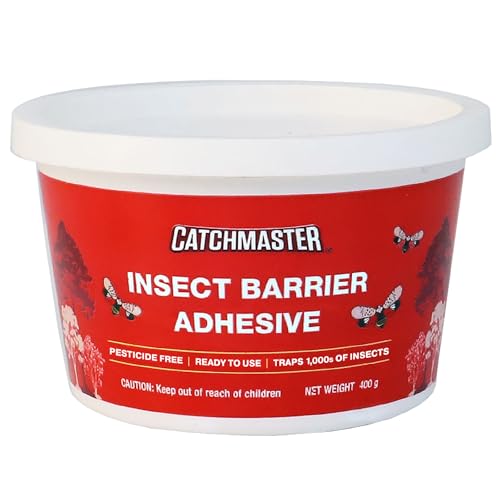
SAVE YOUR TREES: Our specially-formulated Insect Barrier Adhesive can be combined with standard plastic wrap to create tree band sticky traps for bugs. Tree bands are effective at controlling and monitoring invasive species like the spotted lanternfly, cankerworms, moths, black vine weevils, ants, caterpillars, and stink bugs, cicadas, cutworms and other crawling insects

KILLS LISTED FRUIT & CITRUS TREE INSECTS: Controls Asian Citrus Psyllid, Whiteflies, Aphids Thrips, Citrus Leafminers, Leafhoppers, Blackfly, Mealybugs, Scales, Avocado Lacebugs, Oriental Beetles, Flea Beetles, Sharpshooters, and Spittlebugs

Extra Long: You will receive 1 roll of tree barrier tape, measuring approximately 165 ft x 2 inch, the extra length provides adequate protection for your multiple trees and plant trunks, and also meets the replacement needs.
Proper Tree Maintenance
Maintain the health of your fruit trees to lower the risk of caterpillar infestations.
- Prune Regularly: Trim excess branches and remove dead wood to improve air circulation, which reduces humidity and makes the environment less inviting for caterpillars.
- Clean the Area: Remove fallen leaves, fruits, and debris from around the base of your trees. This helps eliminate hiding spots for caterpillars and their eggs.
- Monitor for Pests: Inspect trees weekly during the growing season. Look for signs of early infestation, like silk webs or small holes in leaves, and address them promptly.
- Water Wisely: Water your trees at the base to avoid oversaturating the soil and creating conditions favorable for pests.
Natural Predators
Encouraging natural predators can significantly reduce caterpillar populations.
- Introduce Birds: Attract insect-eating birds, like blue jays and sparrows, by providing nesting boxes and sources of food.
- Alternative Insects: Support beneficial insects such as ladybugs and lacewings. They feed on caterpillars and other pests. You can do this by planting flowers like marigolds and daisies, which draw in these helpful insects.
- Beneficial Nematodes: Consider using beneficial nematodes in your soil. These microscopic roundworms target pest larvae, helping control their numbers naturally.
Chemical Control Options
Chemical control can effectively manage caterpillars on fruit trees. When other methods don’t yield results, consider these options.
Recommended Products

Protect your oasis with Captain Jack's Bt Thuricide Ready-to-Use Spray; this product controls cabbage looper, hornworms, tent caterpillars and more

package height : 23.876 cm

Insecticides Overview
Insecticides target specific caterpillar species, minimizing harm to beneficial insects. Several formulations exist, including:
- Contact Insecticides: These kill caterpillars upon contact. Common examples include permethrin and pyrethrin.
- Systemic Insecticides: These are absorbed by plants and affect caterpillars when they feed on treated leaves. Common options include imidacloprid and thiamethoxam.
- Biological Controls: These contain natural insect pathogens, like Bacillus thuringiensis (Bt), which specifically targets caterpillars and is safe for other insects and pets.
- Timing: Apply insecticides early in the morning or late in the evening to prevent harm to pollinators.
- Coverage: Ensure you cover the entire tree, including the underside of leaves, where caterpillars often hide.
- Follow Directions: Adhere to the instructions on the product label for dilution rates and application schedules. This ensures effectiveness and safety.
- Pest Monitoring: Regularly check for signs of caterpillar activity after treatment. If you notice more caterpillars, reapply as necessary.
- Rotation: Alternate between different classes of insecticides to prevent caterpillar resistance.
By actively using these chemical control methods, you enhance your chances of protecting your fruit trees from caterpillar infestations.
Organic Solutions
Organic solutions provide effective ways to manage caterpillars on fruit trees without chemicals. These methods emphasize natural approaches to control pests while promoting a healthy ecosystem.
Recommended Products

Kills caterpillars, gypsy moth larvae, worms and cabbage loopers

Control diseases and insects in your garden with Captain Jack’s Fruit Tree Spray Concentrate! Use on a variety of listed fruits, nuts and citrus plants.

3-IN-1 GARDEN CARE SPRAY - Earth’s Ally 3-in-1 Plant Spray is a ready-to-use botanical oil spray designed for indoor and outdoor plant care. The houseplant pest spray effectively kills and controls soft-bodied insects and common plant diseases with a synergistic blend of essential oils.
Homemade Remedies
Homemade remedies offer cost-effective and eco-friendly options to deter caterpillars. You can create them using common household ingredients. Here are a few effective solutions:
- Soap Spray: Mix 1-2 tablespoons of liquid soap in a gallon of water. Spray the solution directly on caterpillars. The soap suffocates them and disrupts their feeding.
- Garlic Spray: Blend a few cloves of garlic with water and strain the mixture. Spray it on the trees. The strong odor repels caterpillars and other pests.
- Chili Pepper Spray: Combine water with crushed chili peppers. The spicy mixture deters caterpillars and can be sprayed on affected leaves.
- Neem Oil: Dilute neem oil with water according to package instructions. Apply it to the trees. Neem oil disrupts the growth and reproduction of caterpillars and other insects.
Beneficial Insects
Beneficial insects play a crucial role in managing caterpillar populations naturally. Attracting these insects helps keep your fruit trees healthy. Consider these options:
- Ladybugs: Ladybugs feed on aphids and caterpillars. Plant flowers like marigolds and yarrow to attract them.
- Parasitic Wasps: These wasps lay eggs inside caterpillars. As the larvae hatch, they feed on the caterpillar, helping to reduce its numbers. Purchase parasitic wasps from reputable suppliers.
- Lacewings: Lacewing larvae consume caterpillars and other harmful pests. Planting cosmos or dill can draw these beneficial insects to your garden.
- Predatory Beetles: Beneficial beetles, such as ground beetles, also help control caterpillar populations. Maintain a diverse garden to encourage their presence.
Utilizing these organic solutions fosters a balanced environment, reduces the risk of chemical exposure, and protects your fruit trees efficiently.
Monitoring and Follow-Up
Monitoring your fruit trees after treating caterpillar infestations is essential. Regular checks help ensure your trees remain healthy and free from pests.
Regular Inspections
Conduct weekly inspections of your fruit trees during the growing season. Look for signs of caterpillar activity, such as chewed leaves, silk webs, or droppings. Pay attention to the undersides of leaves and fruit. Spotting issues early allows for quicker intervention. Consider using a magnifying glass to check for small caterpillars or eggs. If you find any new signs, take immediate action based on previously discussed methods.
Long-Term Care
Implement a long-term care routine to keep caterpillars at bay. Regularly prune trees to promote air circulation and sunlight exposure. Maintain cleanliness around the tree area by removing debris and fallen fruit. This habit cuts down on caterpillar hiding spots. Adjust your watering schedule to avoid overwatering, which can attract pests. By keeping your trees healthy and well-maintained, you create an environment less conducive to infestations.
Conclusion
Taking care of caterpillars on your fruit trees doesn’t have to feel overwhelming. By staying observant and acting quickly, you can protect your precious harvest. Remember to keep your trees well-maintained and create a welcoming environment for natural predators.
Whether you choose organic solutions or chemical controls, finding the right balance is key. Regular monitoring is essential to catch any signs of trouble early. With a bit of effort and the right strategies, you’ll be well on your way to enjoying a bountiful fruit harvest free from pesky caterpillars. Happy gardening!
Frequently Asked Questions
What are the signs of caterpillar infestation in fruit trees?
Caterpillar infestations can be identified by several signs: chewed leaves, silk webbing, droppings, and deformed fruit. Regular monitoring of your trees is essential to catch these indicators early and protect your harvest.
Which caterpillar species commonly damage fruit trees?
Common caterpillar species that target fruit trees include the Eastern Tent Caterpillar, Coddling Moth Caterpillar, Fall Armyworm, and Tomato Hornworm. Identifying these species can help in managing infestations effectively.
How can I naturally prevent caterpillar infestations?
Prevent caterpillar infestations by practicing proper tree maintenance, such as regular pruning for better air circulation, cleaning around the trees to eliminate hiding spots, and attracting natural predators like insect-eating birds and beneficial insects.
What chemical options are available for managing caterpillars?
Chemical control includes contact insecticides, systemic insecticides, and biological controls like Bacillus thuringiensis (Bt). It’s vital to follow best application practices to avoid harming beneficial insects and to ensure thorough coverage on treated leaves.
Are there effective organic solutions for caterpillar control?
Yes, organic solutions include homemade remedies like soap spray, garlic spray, chili pepper spray, and neem oil. Additionally, attracting beneficial insects can naturally help control caterpillar populations while maintaining a healthy ecosystem in your garden.
How often should I monitor my fruit trees for caterpillars?
Regular inspections during the growing season are essential—ideally weekly. Look for signs of caterpillar activity, such as chewed leaves and silk webs, and take immediate action if new signs of infestation appear.
What long-term care practices can reduce caterpillar damage?
To minimize caterpillar damage, implement long-term care routines like regular pruning, maintaining cleanliness around trees, and adjusting watering schedules. Healthy trees are less prone to infestations and can better withstand pest issues.
