

Have you noticed little pests munching on your fruit trees? You’re not alone. Many gardeners face the frustration of bugs ruining their hard work and delicious harvests. It can feel overwhelming trying to protect your trees without resorting to harsh chemicals.
Key Takeaways
- Identify Pest Types: Understanding common pests like aphids, scale insects, and fruit flies is essential for effective management of fruit trees.
- Encourage Beneficial Insects: Attracting natural predators such as ladybugs and lacewings can significantly reduce pest populations and promote a healthy ecosystem.
- Implement Preventative Measures: Regular pruning, deep watering, and mulching strengthen tree health, making them more resistant to infestations.
- Utilize Organic Solutions: Use safe, natural remedies like insecticidal soap and neem oil to manage pests without harming beneficial insects or the environment.
- Monitor Regularly: Conduct weekly inspections of your trees to catch pest activity early and maintain detailed records to track treatment effectiveness and pest patterns.
- Know When to Use Chemicals: For severe infestations, consider responsible use of synthetic insecticides or systemic treatments while being mindful of their impact on beneficial insects.
Understanding The Types Of Bugs On Fruit Trees
Bugs on fruit trees can range from harmful pests to helpful allies. Knowing the types of bugs helps in effective management and maintaining healthy trees.
Recommended Products

Control diseases and insects in your garden with Captain Jack’s Fruit Tree Spray Concentrate! Use on a variety of listed fruits, nuts and citrus plants.

KILLS LISTED INSECTS THROUGH CONTACT: Spinosad-based formula controls aphids, caterpillars, mealybugs, spider mites, thrips, and 30 listed pests on edible and ornamental plants

KILLS LISTED FRUIT & CITRUS TREE INSECTS: Controls Asian Citrus Psyllid, Whiteflies, Aphids Thrips, Citrus Leafminers, Leafhoppers, Blackfly, Mealybugs, Scales, Avocado Lacebugs, Oriental Beetles, Flea Beetles, Sharpshooters, and Spittlebugs
Common Insect Pests
- Aphids: Small, soft-bodied insects that suck sap from leaves, causing wilting and yellowing. They reproduce quickly, often creating large colonies. Control methods include introducing natural predators like ladybugs or using insecticidal soap.
- Scale Insects: These pests appear as small bumps on branches and stems. They also suck sap, leading to weakened plants. Physical removal with a soft brush or using horticultural oil can help manage scale infestations.
- Spider Mites: Tiny pests that thrive in dry weather. They create fine webbing and cause leaf discoloration. Increasing humidity and regular washing of leaves can deter spider mites.
- Fruit Flies: Often found around ripening fruit, these flies lay eggs in the fruit. The larvae spoil the fruit. Traps that use bait can help control populations, along with maintaining good sanitation.
- Caterpillars: The larvae of moths and butterflies that feed on leaves and fruit. Handpicking is effective for small infestations, while bacterial insecticides can address larger problems.
- Ladybugs: Known for their appetite for aphids, these insects can significantly reduce pest populations. Attract ladybugs by growing flowers like dill and fennel.
- Lacewings: The larvae of lacewings consume aphids, mealybugs, and other pests. Attract them with flowering plants and avoid pesticides that can harm them.
- Parasitic Wasps: These tiny wasps lay eggs in or on pest insects, helping to control their populations. They target various pests, including caterpillars. Providing a diverse garden can encourage their presence.
- Predatory Beetles: These beetles feed on various pests, including aphids and caterpillars. Maintaining a healthy ecosystem with native plants supports these beneficial insects.
- Hoverflies: Their larvae eat aphids, while adult flies pollinate plants. Planting a variety of flowers attracts hoverflies.
Prevention Strategies
Effective prevention strategies can protect your fruit trees from pests. By focusing on proper tree care and environmental controls, you can promote a healthier garden ecosystem.
Recommended Products

Reusable Mesh Material: These fruit protection bags are made of polyester, they are sturdy, lightweight, soft it won't hurt the fruit when putting it. This garden netting bags are green in color to help fool the birds and squirrels.
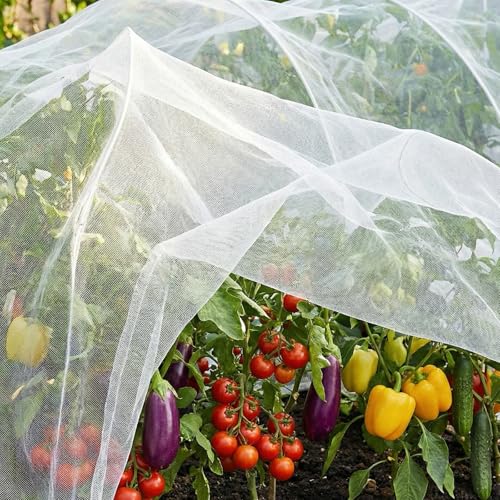
Perfect for Small Raised Beds & Containers:This 4x10ft garden netting is ideal for single raised beds. The ultra fine mesh netting covers plants to block aphids, birds, and caterpillars while letting sunlight and rain through. No more damaged leaves in tight spaces.

1. Plenty of Space:Plenty of room for any type of fruits and vegetables, the 8x12 inch fruit netting bags are big enough for protecting many kind of fruits, vegetables, flower from pest, birds and don’t restrict their growth. The drawstring mesh fruit protectors with double pulls that do make them easier to install and remove versus the single pull type. And the pest barrier bags will stay secure without gap on the top once closed.
Proper Tree Care
Maintain tree health to deter pests. Healthy trees resist infestations better. Follow these guidelines:
- Regular Pruning: Trim dead or overcrowded branches. This improves air circulation and reduces hiding spots for pests.
- Mulching: Apply organic mulch around the base. This retains moisture and regulates soil temperature, reducing stress on the tree.
- Watering: Water deeply and consistently, especially during dry spells. Deep roots enhance stability and resistance to pests.
- Fertilizing: Use a balanced fertilizer suitable for fruit trees. This boosts growth and enhances resilience against pests.
Environmental Controls
Utilize various environmental controls to create an unfavorable habitat for pests. Consider these methods:
- Companion Planting: Grow pest-repelling plants near your fruit trees. Marigolds, for instance, can deter aphids and nematodes.
- Row Covers: Use lightweight fabric to cover trees. This physically blocks pests while allowing sunlight and moisture in.
- Traps: Set traps for specific pests. Sticky traps can capture flying insects, helping you monitor pest populations effectively.
- Natural Predators: Encourage beneficial insects. Ladybugs and lacewings can significantly reduce pest levels by preying on harmful insects.
Implementing these strategies will create a robust defense against pests on your fruit trees.
Effective Methods To Get Rid Of Bugs
Dealing with bugs on fruit trees requires a mix of effective strategies. Here are two main approaches to consider.
Organic Solutions
Organic methods focus on natural ingredients to manage pests. These strategies are safer for the environment and beneficial insects.
- Insecticidal Soap: Mix one tablespoon of liquid soap with a quart of water. Spray directly on infested areas to suffocate soft-bodied insects like aphids.
- Neem Oil: Dilute neem oil according to the label’s instructions. Apply it in the evening to avoid sunburning leaves. This natural pesticide disrupts the life cycle of many pests.
- Diatomaceous Earth: Sprinkle food-grade diatomaceous earth around the base of the tree. This powder dries out and damages exoskeletons of crawling insects.
- Companion Planting: Plant marigolds or nasturtiums nearby. These plants repel pests, reducing their presence on your fruit trees.
- Garlic Spray: Blend garlic cloves and water, then strain the mixture. Spray it on your trees to deter many pests due to its strong smell.
Chemical Treatments
Sometimes, chemical treatments may be necessary for more severe infestations. Use these products responsibly to minimize harm to beneficial insects.
- Synthetic Insecticides: Products containing pyrethroids target a wide range of pests. Follow the label instructions carefully to ensure safe application.
- Systemic Insecticides: These chemicals are absorbed by the tree, providing protection from within. Use them when pest populations are high, and other methods haven’t worked.
- Bacillus thuringiensis (Bt): This bacterial pest control targets caterpillars. Apply it according to the manufacturer’s guidelines for effective results.
Use these methods thoughtfully for a strong defense against bugs on your fruit trees.
Monitoring And Maintenance
Monitoring and maintenance are crucial steps in keeping your fruit trees pest-free. By staying vigilant and addressing potential issues early, you can protect your trees more effectively.
Regular Inspections
Conduct regular inspections of your fruit trees to identify any signs of pest activity. Look for visible bugs, damaged leaves, or droppings on branches. Check the undersides of leaves and the stems, where pests often hide. Inspections should occur every week, especially during the growing season. You can use a magnifying glass for a closer look. Early detection allows you to implement control measures before infestations escalate.
Keeping Records
Keeping records of your inspections and pest management efforts helps in tracking the health of your trees over time. Note the date of each inspection, the type and number of pests found, and the treatments applied. This log makes it easier to identify patterns, like specific pests appearing during certain seasons. You can also adjust your approach based on what works best in your garden. Consider using a simple notebook or a digital app to maintain these records efficiently.
Conclusion
Taking care of your fruit trees doesn’t just mean watering and fertilizing. It’s about creating a balanced ecosystem where both your trees and beneficial insects can thrive. By understanding the pests that threaten your trees and employing the right strategies for prevention and management, you can enjoy a bountiful harvest without resorting to harsh chemicals.
Regular monitoring and maintenance are key to catching any issues early. With a little patience and the right approach, you’ll keep your fruit trees healthy and pest-free. Happy gardening and enjoy the fruits of your labor!
Frequently Asked Questions
What are some common pests that damage fruit trees?
Common pests that damage fruit trees include aphids, scale insects, spider mites, fruit flies, and caterpillars. Identifying these pests early is crucial for managing their populations effectively.
How can I protect my fruit trees without using harsh chemicals?
To protect your fruit trees organically, consider using insecticidal soap, neem oil, and diatomaceous earth. Implement companion planting and encourage beneficial insects like ladybugs to support a healthy ecosystem.
What are beneficial insects for fruit trees?
Beneficial insects like ladybugs, lacewings, parasitic wasps, predatory beetles, and hoverflies help control pest populations. They naturally prey on harmful insects, promoting a balanced garden environment.
What tree care practices help deter pests?
Key tree care practices include regular pruning for air circulation, applying organic mulch for moisture retention, deep watering for root stability, and using balanced fertilizers for strong growth, all of which help deter pests.
How can I monitor pest activity on my fruit trees?
Regular inspections during the growing season are essential. Look for visible bugs, damaged leaves, or droppings. Early detection allows for timely control measures to keep your trees healthy.
What are some organic pest control methods?
Effective organic pest control methods include using insecticidal soap, neem oil, and garlic spray. Companion planting and diatomaceous earth are also excellent alternatives for managing pests safely.
When should I use chemical treatments on my fruit trees?
Chemical treatments should be used responsibly and only for severe infestations. Consider options like synthetic insecticides, systemic insecticides, or Bacillus thuringiensis (Bt) after assessing the situation carefully.
Why is record-keeping important in pest management?
Keeping records of inspections and pest management efforts helps track the health of your fruit trees over time. This information identifies patterns, enabling better decision-making for future pest control strategies.
