

Curious about growing kiwi in Georgia? Picture this: you’re strolling through your backyard, plucking ripe kiwis off the vine, savoring their sweet tanginess. But is it really possible to cultivate these exotic fruits in Georgia’s climate? You might be pleasantly surprised by the answer.
In this article, we’ll explore the feasibility of growing kiwi in Georgia and provide you with practical tips to make it a reality in your own garden. Discover the secrets to nurturing these vibrant fruits right at home, adding a touch of tropical flair to your local harvest. Get ready to embark on a journey into the world of kiwi cultivation in Georgia.
Key Takeaways
- Consider Georgia’s climate suitability, soil type, sunlight exposure, watering, drainage, varietal selection, and support structures when growing kiwi.
- Opt for cold-hardy, self-pollinating, female and male, disease-resistant, and early ripening kiwi varieties for successful cultivation in Georgia.
- Plant kiwi vines in sunny, well-drained locations with fertile soil, proper spacing, and sturdy support structures.
- Care for kiwi plants in Georgia by watering consistently, mulching, pruning, managing pests and diseases, and adapting to common growing challenges.
- Harvest ripe kiwis by determining ripeness, using proper harvesting techniques, storing appropriately, and enjoying fresh or preserved fruits in various ways.
Factors to Consider Before Growing Kiwi in Georgia
When considering growing kiwi in Georgia, there are several key factors you should take into account to ensure successful cultivation. Take note of the following:
1. Climate Suitability
Georgia’s climate plays a vital role in kiwi cultivation. Kiwi plants thrive in temperate climates with well-defined seasons. They require a certain amount of chill hours in winter to produce fruit. In Georgia, regions with cooler winters might be more conducive to successful kiwi growth.
2. Soil Type
The type of soil in your garden can significantly impact kiwi plant growth. Kiwi plants prefer well-draining soil rich in organic matter. Before planting kiwi vines, ensure your soil is well-drained and loamy to provide optimal conditions for growth.
3. Sunlight Exposure
Kiwi plants require ample sunlight to produce quality fruit. Ensure your planting location in Georgia receives full to partial sunlight for the majority of the day. Adequate sunlight exposure is crucial for the photosynthesis process and overall plant health.
4. Watering and Drainage
Proper watering and drainage are essential for kiwi plants. Ensure your plants receive sufficient water, especially during hot Georgia summers. However, it’s equally important to prevent waterlogging, as kiwi plants are susceptible to root rot in waterlogged conditions.
5. Varietal Selection
Choosing the right kiwi variety is crucial for successful cultivation in Georgia. Consider selecting varieties that are more tolerant of Georgia’s climate conditions. Some varieties may be better suited for the state’s specific climate and soil types.
6. Support Structures
Kiwi vines are vigorous climbers that require sturdy support structures. Plan for trellises or other support systems to help the vines grow vertically and support the weight of fruit. Proper support structures can also aid in managing plant growth and harvesting.
By considering these factors before planting kiwi in Georgia, you can set yourself up for a successful harvest of this exotic fruit in your own garden. Remember to adapt your cultivation practices to suit Georgia’s climate and provide the necessary conditions for your kiwi plants to thrive.
Choosing the Right Kiwi Varieties for Georgia
When selecting kiwi varieties for your Georgia garden, focus on those best suited to the state’s climate to ensure a successful harvest. Consider the following factors to choose the right kiwi varieties:
Recommended Products

Only one plant needed for fruit!

MATURE SIZE & CARE GUIDE: The Prolific Hardy Kiwi Vine can reach 20-25 feet in length when fully matured, or 12 feet if grown in a container. Thrives in full sun to partial shade and requires well-drained soil with average watering needs. Cold tolerant to USDA Zone 4, making it ideal for colder climates.

*Hardy Kiwi 'Issai' (Actinidia arguta) The smooth skinned green fruit are the size of grapes and taste like a sweet tropical kiwi without the fuzzy skin.<br>
Cold-Hardy Varieties
Opt for cold-hardy kiwi varieties such as Actinidia arguta (Hardy Kiwi) or Actinidia kolomikta. These varieties are more suitable for Georgia’s climate, especially in regions where temperatures can drop significantly during winter. They can withstand frost and cold snaps better than other types of kiwi.
Self-Pollinating Varieties
Choose self-pollinating kiwi varieties like Actinidia arguta ‘Issai’. Self-pollinating varieties are ideal for smaller gardens or if you’re only planning to grow a few kiwi plants. They don’t require multiple plants for cross-pollination, making them a practical choice for home gardeners in Georgia.
Female and Male Varieties
For traditional kiwi varieties that require both female and male plants for pollination, consider Actinidia deliciosa ‘Hayward’ (female) paired with a compatible male variety, such as Actinidia deliciosa ‘Tomuri’. Planting a mix of female and male kiwi vines ensures adequate pollination and enhances fruit production in your Georgia garden.
Disease-Resistant Varieties
Opt for disease-resistant kiwi varieties to reduce the risk of infections common in Georgia’s humid climate. Varieties like Actinidia arguta ‘Anna’ are known for their resistance to certain diseases, making them a more reliable choice for home gardeners in the state.
Early Ripening Varieties
Consider planting early ripening kiwi varieties such as Actinidia arguta ‘Weiki’. These varieties mature earlier in the season, allowing you to harvest fruits sooner. In Georgia, where the growing season may be shorter compared to other regions, selecting early ripening varieties can help you enjoy kiwis before the season ends.
By choosing the right kiwi varieties based on cold hardiness, pollination requirements, disease resistance, and ripening times, you can optimize your chances of a successful kiwi harvest in your Georgia garden. Make informed choices to ensure that your kiwi plants thrive in the local climate and provide you with a bountiful fruit yield.
Planting and Caring for Kiwi Plants in Georgia
When it comes to planting and caring for kiwi plants in Georgia, you’ll want to ensure you follow some essential steps to help your plants thrive in the climate of the region.
Recommended Products

175 Feet. 20 Gauge galvanzied

High-quality material: Our tomato twist stake trellis is made of high-quality steel wire with coating on the surface, smooth to the touch, and not easy to rust after long-term use. Sturdy steel wire is not easy to break and bend, enough to provide stable support for plants
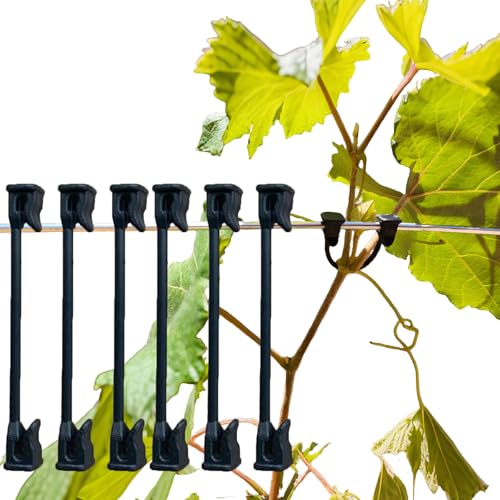
❄ 【Material】The belt is made of pp plastic material, high toughness, corrosion resistance, temperature resistance, long service life.
Selecting the Right Location
Start by choosing a sunny and well-drained location in your garden to plant your kiwi vines. Kiwi plants require plenty of sunlight to grow optimally, so finding a spot with at least six to eight hours of sun exposure is crucial.
Soil Preparation
Prepare the soil by ensuring it is fertile, well-draining, and slightly acidic, with a pH level between 5.0 and 6.5. You can enhance the soil quality by adding organic matter such as compost or well-rotted manure before planting your kiwi vines.
Planting Kiwi Vines
Plant kiwi vines in the early spring to allow them to establish themselves before the hot summer months. Ensure proper spacing between the plants, typically around 10 to 20 feet apart, depending on the variety. Dig a hole twice as wide and deep as the root ball, gently spread the roots, and backfill with soil.
Watering and Mulching
Water newly planted kiwi vines regularly to keep the soil consistently moist but not waterlogged. Mulching around the base of the plants can help retain soil moisture, suppress weeds, and provide some insulation during extreme temperatures.
Support Structures
Kiwi plants are vigorous climbers and require sturdy support structures to grow properly. Install trellises, wires, or pergolas for the vines to cling to as they grow. Make sure the support system can bear the weight of mature vines laden with fruit.
Pruning and Training
Proper pruning is essential for kiwi plants to maintain an open canopy, promote airflow, and facilitate the harvesting process. Train the vines by directing their growth along the support structure and removing any dead or overcrowded branches.
Pest and Disease Management
Keep an eye out for common pests like aphids, spider mites, and scale insects that can affect kiwi plants. Implement regular inspections and use eco-friendly pest control methods if necessary to protect your plants. Choose disease-resistant kiwi varieties to minimize the risk of infections.
By following these planting and care guidelines for kiwi plants in Georgia, you can set yourself up for a successful harvest and enjoy delicious homegrown kiwis in your garden.
Dealing with Common Kiwi Growing Challenges in Georgia
When growing kiwi in Georgia, you may encounter some common challenges. Here’s how you can tackle them effectively:
Addressing Frost Risks
In Georgia, frost can pose a threat to kiwi plants, especially in winter or early spring. To protect your kiwi vines from frost damage, consider covering them with frost cloth or using frost protection sprays. Ensure to monitor weather forecasts and take preemptive measures when frost is predicted.
Managing Heat Stress
Georgia’s hot summers can lead to heat stress in kiwi plants. To help your kiwi vines cope with high temperatures, provide adequate shade during the hottest parts of the day. Mulching around the base of the plants can also help retain soil moisture and regulate the temperature.
Controlling Pests and Diseases
Common pests and diseases that may affect kiwi plants in Georgia include aphids, mites, and powdery mildew. Regularly inspect your plants for any signs of infestation or disease. Consider using organic pest control methods and fungicides to manage these issues effectively.
Ensuring Sufficient Watering
Proper watering is crucial for the healthy growth of kiwi plants. In Georgia’s climate, where summers can be hot and dry, ensure your kiwi vines receive sufficient water. Consider installing a drip irrigation system to provide consistent moisture without waterlogging the roots.
Pollination Challenges
Kiwi plants require proper pollination to set fruit. In Georgia, where there may be limited natural pollinators, consider hand pollinating the flowers using a soft brush. This simple step can significantly improve fruit set and yield.
Vigilant Pruning
Regular pruning is essential to maintain the health and productivity of kiwi plants. In Georgia, where the growing season can be long, prune your vines during the dormant season to promote new growth and fruiting spurs. Remove any dead or diseased wood to prevent the spread of infections.
By addressing these common kiwi growing challenges in Georgia proactively, you can enhance the success of your kiwi cultivation efforts. Stay attentive to your plants’ needs and take timely action to overcome any obstacles that may arise.
Harvesting and Enjoying Kiwis from Your Georgia Garden
Once your kiwi plants have flourished in your Georgia garden, it’s time to reap the rewards of your hard work by harvesting and enjoying the delicious fruits. Here’s how you can make the most of your kiwi harvest:
Determining Ripeness
To enjoy the best flavor and texture, it’s crucial to harvest kiwis at the right time. You can tell if a kiwi is ripe by gently pressing it; a ripe kiwi gives slightly but doesn’t feel mushy. Additionally, ripe kiwis will have a sweet aroma and yield to gentle pressure when squeezed.
Harvesting Techniques
When harvesting kiwis, use sharp shears or a knife to cut the fruit from the vine carefully. Be cautious not to damage the fruit or the plant while harvesting. It’s advisable to leave a short stem attached to the kiwi as this helps in storing the fruit for a more extended period.
Storing and Ripening
If your kiwis are not fully ripe when harvested, store them at room temperature to ripen further. Placing unripe kiwis in a paper bag or alongside ripe fruits like apples can expedite the ripening process. Once ripe, store kiwis in the refrigerator to maintain their freshness for a few weeks.
Enjoying Your Kiwis
Kiwi fruits can be enjoyed in various ways, from eating them fresh to incorporating them into salads, smoothies, desserts, or even using them in cooking. Their sweet and tart flavor adds a delightful twist to both sweet and savory dishes.
Sharing the Bounty
If your kiwi harvest is more abundant than you can consume, consider sharing the fruits with family, friends, or neighbors. You can also preserve kiwis by drying or freezing them to enjoy their goodness throughout the year.
Conclusion
Growing kiwi in Georgia is indeed possible with the right knowledge and care. By considering factors like climate, soil, sunlight, watering, and varietal selection, you can set yourself up for success. Remember to choose suitable kiwi varieties that thrive in Georgia’s conditions. With proper planting and maintenance, you can overcome common challenges and enjoy a bountiful harvest. Make sure to monitor ripeness, harvest at the right time, and store and ripen your kiwis correctly for the best flavor. Sharing your homegrown kiwis with others or preserving them for later use can be a rewarding experience. With dedication and attention to detail, you can savor the sweet taste of success in growing kiwi in Georgia.
Frequently Asked Questions
Can kiwi be successfully grown in Georgia’s climate?
Yes, kiwi can be successfully grown in Georgia’s climate, as long as factors like climate suitability, soil type, sunlight exposure, watering, varietal selection, and support structures are taken into consideration.
What are some essential tips for growing kiwi in Georgia?
Select kiwi varieties suitable for Georgia’s climate, provide proper sunlight exposure, well-draining soil, consistent watering, and sturdy support structures for the vines.
What steps are crucial for planting and caring for kiwi plants in Georgia?
When planting kiwi in Georgia, ensure proper spacing, deep planting, regular watering, mulching, pruning, and fertilizing to promote healthy growth and fruit production.
How to address common challenges faced when growing kiwi in Georgia?
Common challenges like frost damage, pests, diseases, and inadequate pollination can be addressed by using frost protection, pest control measures, disease management strategies, and hand pollination techniques.
What proactive measures can enhance kiwi cultivation efforts in Georgia?
Enhance kiwi cultivation efforts in Georgia by monitoring plant health, adjusting care practices as needed, protecting vines during extreme weather, and staying informed about local growing conditions.
What are some harvesting and enjoyment tips for kiwis from a Georgia garden?
Harvest kiwis when ripe by performing a firmness test, store them in a cool place to ripen, and enjoy fresh kiwis, share them with others, or preserve them for later use in recipes.
