

Ever found yourself staring at your Fiskars telescoping tree pruner, wondering how to tackle that stubborn issue? Maybe it’s not extending properly, or the blade isn’t cutting as smoothly as it used to. Frustrating, right? But fret not, because you’re about to unlock the secrets to fixing these common problems without breaking a sweat.
Overview of Fiskars Telescoping Tree Pruner
Are you ready to delve into the world of Fiskars Telescoping Tree Pruners? Let’s begin by understanding the basics.
- This innovative tool is designed to help you reach high branches without the need for a ladder.
- Lightweight yet powerful, it combines durability and functionality for efficient tree maintenance.
Practical advice for using your pruner effectively:
- When extending the pole, make sure to align the button with the hole to securely lock it in place.
- To optimize blade performance, keep it sharp by regularly cleaning and sharpening it.
Ready to tackle those tree-trimming tasks like a pro? Let’s explore more ways to make the most out of your Fiskars Telescoping Tree Pruner.
Recommended Products
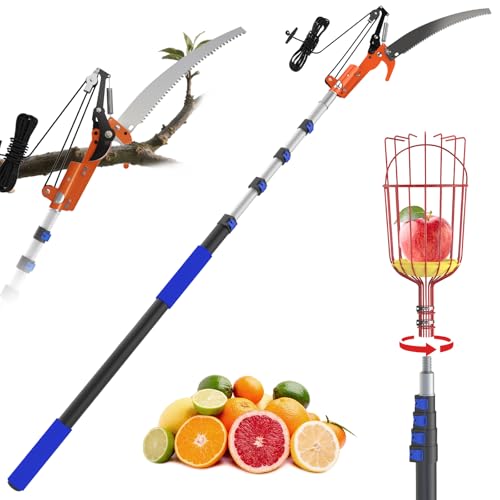
2-in-1 Extendable Tree Pruner & Pole Saw - This pole saws for tree trimming combines a 13.8" sharp steel blade and scissors for all your tree trimming needs. The manual pole saw features sharpened teeth made of high-quality carbon steel, delivering high cutting power while being lightweight. A non-stick coating ensures smooth, efficient branch trimming, saving you time and effort. Perfect for cutting trees, bamboo, PVC pipes, and more.
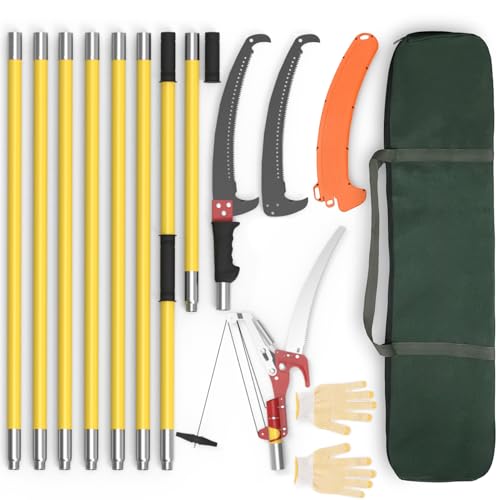
Package Includes: Our pole saw and pruner set contains 7 long poles, 1 head with saw, 1 pruner head, 1 spare saw with sheath, and a carry bag. Its extandabe range is about 7.3 to 27 ft (2.24 m to 8.24 m).

Safe And Efficient - The Karveden telescoping extension pole saws can reach up to 20FT. You can easily trim tall, difficult to reach branches. You can quickly adjust the length of the pole as needed without climbing a ladder. Pruning trees and shrubs will be easier and safer than ever before. It is designed for pruning high branches, but can also be used as a handheld saw to prune low branches, shrubs and logs.
Common Issues with Fiskars Telescoping Tree Pruner
Encountering problems with your Fiskars Telescoping Tree Pruner can be frustrating, but knowing how to troubleshoot common issues can save you time and effort. Here are some frequent challenges you might face and how to address them:
- Blade Dullness: A dull blade can make cutting difficult and lead to ragged edges on branches.
To resolve this, regularly sharpen the blade with a proper sharpening tool to maintain its sharpness. - Locking Mechanism Malfunction: If the pole doesn’t lock securely, it can be unsafe to use.
Ensure the button aligns with the hole when extending the pole for a secure locking mechanism. - Stickiness or Jamming: Sometimes, the pruner may become stuck or jammed, affecting its performance.
Apply a lubricant to moving parts and clean any debris stuck in the cutting mechanism to prevent this issue. - Weak Cutting Power: If you notice a decrease in cutting efficiency, the blade might be dirty or damaged.
Clean the blade regularly and inspect for any nicks or bends that may hinder its cutting ability.
Remember, proper maintenance and care can help prevent these issues and keep your Fiskars Telescoping Tree Pruner in top condition for smooth operation.
Tools Required for Fixing
When it comes to fixing your Fiskars telescoping tree pruner, having the right tools at hand is essential. Here’s a list of tools you may need to address common issues that may arise:
- Phillips screwdriver: Useful for disassembling certain parts for cleaning and maintenance.
- Sharpening tool: Keep your blades sharp for efficient cutting—dull blades can lead to frustration.
- Lubricant: To keep the moving parts operating smoothly and prevent jamming.
- Cloth or rag: Handy for wiping down the pruner after lubrication or cleaning.
- Replacement parts: In case certain components wear out and need to be swapped for new ones.
Equipping yourself with these tools will empower you to tackle most problems encountered with your Fiskars telescoping tree pruner effectively.
Recommended Products

2 CUTTING MODES IN 1: Switch between fast S mode for quick, precise snips and powerful L mode with gear transmission to cut thicker branches up to 32 mm (1.25"), so you can handle light trimming and heavier pruning with one tool

Replacement saw blade for the Fiskars 9394 12 foot telescoping pruning saw

How to Extend Fiskars Telescoping Tree Pruner Properly
To extend your Fiskars telescoping tree pruner properly, follow these steps:
- Start by securing the pruning head: Ensure it’s locked firmly in place.
- Grip the tool firmly with both hands.
- Extend the pole slowly by twisting the locking mechanism: Continue until you reach the desired length.
- Listen for the “click” sound to indicate it’s locked in position.
- Double-check the extension to make sure it’s secure before use.
Remember, a properly extended tree pruner ensures safe and effective operation, reducing the risk of accidents.
How to Sharpen the Blade of the Pruner
To keep your Fiskars telescoping tree pruner in top condition, sharpening the blade regularly is essential. Here’s how you can do it easily:
- Start by cleaning the blade with a cloth to remove any sap or debris.
- Inspect the blade for any nicks or damage that need to be addressed before sharpening.
- Use a sharpening tool designed for pruning blades to sharpen the cutting edge.
- Maintain a consistent angle while sharpening to ensure an even edge.
- After sharpening, wipe the blade clean and apply a light coat of lubricant for smooth operation.
Remember, a sharp blade not only makes pruning easier but also ensures clean cuts for the health of your plants.
Keep your pruning blade sharp for optimal cutting performance.
| Blade Maintenance Tip | Key Point |
|---|---|
| Clean blade before sharpening | Remove sap and debris |
| Inspect for damage | Address nicks or chips |
| Use proper sharpening tool | Maintain consistent angle |
| Lubricate after sharpening | Ensure smooth operation |
Recommended Products

QUICK & EFFECTIVE SHARPENING ANYWHERE : Our is crafted from high-quality steel, delivering a fine, razor-sharp edge in seconds. It's perfectly designed for quick touch-ups on garden tools like pruners, shears, and knives, ensuring your blades are always ready for a clean cut, whether in the garden or at the campsite

2-in-1 Gardening Tool Combo Set: This kit includes both a mini Chainsaw 6-inch cordless and electric pruning shears—two essential tools for yard and garden maintenance. The cordless design offers excellent mobility, allowing easy operation even in tight or hard-to-reach spaces. Buying the combo saves time and money, letting you handle heavy cutting and fine pruning without purchasing separate tools

550W Brushless Power & Clean Cuts — The 16.8V 550W brushless motor delivers strong, consistent cutting power for fast, clean pruning with less effort. Handles branches up to 32mm (1.3 in), making everyday tree, orchard and garden pruning easier and more efficient.
Conclusion
Now that you’ve learned how to sharpen the blade of your Fiskars telescoping tree pruner, you’re on your way to achieving optimal performance. By following the simple steps outlined in this guide, you can ensure that your pruner is always ready for efficient and effective pruning tasks. Remember, a sharp blade not only makes your job easier but also promotes healthier cuts for your plants. With regular maintenance and proper sharpening techniques, you’ll be able to enjoy a smooth pruning experience every time. Keep up with these practices, and your Fiskars pruner will continue to serve you well for years to come. Happy pruning!
Frequently Asked Questions
Why is sharpening the blade of the Fiskars telescoping tree pruner important?
Sharpening the blade is crucial to ensure optimal performance of the pruner. A sharp blade results in cleaner cuts, less effort required for pruning, and healthier plants.
How should I sharpen the blade of the Fiskars telescoping tree pruner?
To sharpen the blade effectively, clean it first, inspect for damage, use a proper sharpening tool (like a mill file or sharpening stone), maintain a consistent angle (about 30 degrees), and lubricate the blade after sharpening.
What are the benefits of having a sharp blade for pruning?
A sharp blade makes pruning easier, faster, and more precise. It reduces the strain on your hands and arms, minimizes plant damage, and promotes quicker healing for the plants.
