

Are your fruit trees looking a bit overgrown? You’re not alone. Many gardeners face the challenge of maintaining healthy, productive trees while keeping them manageable. Cutting back fruit trees can seem daunting, but it’s essential for promoting growth and maximizing your harvest.
Key Takeaways
- Pruning Enhances Health and Yield: Regularly cutting back fruit trees promotes health, removes diseased branches, and maximizes fruit production by improving sunlight and air circulation.
- Timing is Crucial: The best time to prune fruit trees is during late winter or early spring, while they are dormant, to encourage optimal growth when the weather warms up.
- Use Proper Techniques: Employ pruning methods such as thinning, heading back, and crown reduction to shape your trees effectively, encourage robust growth, and ensure good fruit quality.
- Essential Tools Required: Equip yourself with tools like pruning shears, loppers, and gloves to facilitate safe and efficient pruning while protecting yourself during the process.
- Post-Pruning Care Matters: After cutting back, maintain regular watering, appropriate fertilization, and vigilant monitoring for pests and diseases to foster healthy regrowth.
- Observe Signs for Pruning: Look for indicators such as dead or overcrowded branches and unproductive trees to decide when it’s time to prune for improved vitality and fruit yield.
Understanding Fruit Tree Pruning
Pruning fruit trees enhances their health and productivity. Regular cutting back encourages robust growth and maximizes fruit yield.
Importance of Pruning
Pruning offers numerous benefits for fruit trees.
- Promotes Health: Removing dead or diseased branches helps prevent the spread of pests and diseases. Healthy trees produce better yields.
- Encourages Growth: Thinning out overcrowded areas allows sunlight and air circulation to reach more parts of the tree. This leads to stronger branches and improved fruit quality.
- Facilitates Harvesting: A well-pruned tree is easier to manage. You can reach the fruit without excessive strain or damage to the tree.
Common Reasons for Cutting Back
Understanding why to cut back fruit trees helps you focus your efforts.
- Overgrown Trees: Trees can become unruly without regular pruning. Cutting back encourages a more manageable size.
- Poor Air Circulation: Tight clusters of branches limit airflow, increasing susceptibility to fungal diseases. Pruning improves airflow.
- Shape Maintenance: A balanced shape supports better light exposure. Regular pruning helps maintain aesthetics while promoting fruit production.
Pruning fruit trees doesn’t just improve yield—it creates a healthier, more accessible garden. You can cultivate a productive crop with each snip.
Tools and Equipment Needed
You need specific tools and equipment to prune fruit trees effectively. These items ensure precision, safety, and ease during the process. Gather these essentials before you start.
Recommended Products

PROFESSIONAL GARDENING GRAFTING TOOLS: Including 2 in 1 grafting pruning tools, 3 replaceable blades, a grafting knife, a screwdriver, a wrench, 2 grafting films, 160 rubber bands, 40 wide rubber bands, and 50 colorful tag cards

【Surgical-Precision Grafting Tools】 Crafted with Japanese SK5 High-Carbon Steel blades (HRC 58-60 hardness) and ergonomic ABS handles, our 2-in-1 pruner delivers clean cuts up to 1/2" diameter branches. Dual-edge Ω/U/V blades prevent stem crushing, boosting grafting success rates by 40%* (*lab test data).

UPGRAFE PROFESSIONAL GARDENING GRAFTING TOOLS: Professional grafting set, including 2 in 1 grafting pruning tools, 3 replaceable blades, a grafting knife, a pruning shears, a screwdriver, a wrench, 3 grafting films, and 45 colorful tag cards
Essential Pruning Tools
- Pruning Shears: Use these for small branches and stems. Look for shears that fit comfortably in your hand.
- Loppers: Ideal for thicker branches, loppers provide extra leverage. They help you reach high places with ease.
- Hand Saw: A hand saw works well for larger branches that can’t be handled by shears or loppers. Choose a sharp one for cleaner cuts.
- Pole Pruner: This tool extends your reach, perfect for high branches. It usually combines a saw and shears.
- Garden Knife: A sharp garden knife helps in making precise cuts on smaller branches and buds.
- Gloves: Wear durable gloves to protect your hands from cuts and scrapes. Leather gloves offer the best protection.
- Safety Glasses: Protect your eyes from flying debris while cutting. Look for glasses that fit well and provide full coverage.
- Hats: A wide-brimmed hat shields you from sun exposure while working outdoors.
- Long Sleeves: Wear long sleeves to protect your arms from scratches and sap. Lightweight, breathable fabrics work best.
- Steel-Toe Boots: Equip yourself with steel-toe boots for foot protection, especially when working around falling branches or heavy tools.
Having the right tools and gear ensures a safer and more effective pruning experience. Prepare these items beforehand, and you’ll complete the task efficiently.
The Right Time to Cut Back Fruit Trees
Timing plays a crucial role in effective pruning. Properly assessing when to cut back helps maintain tree health and boosts fruit production.
Recommended Products
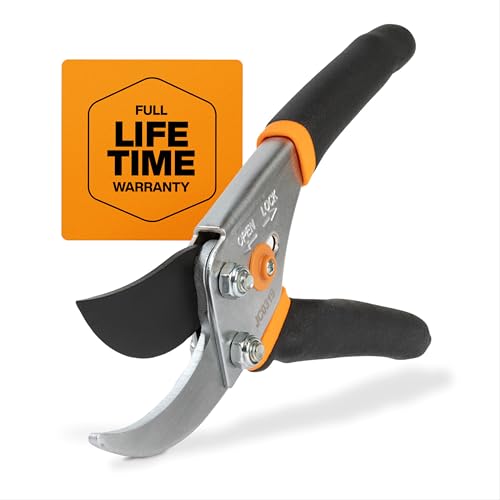
CLEAN CUTS FOR LIVE GROWTH: Bypass blade design is ideal for pruning delicate flower stems and green growth, helping reduce crushing and plant damage while cutting stems and small branches up to 5/8” in diameter

Reduce Hand Strain: These micro tip snips are made to reduces hand fatigue which makes them great for those with arthritis, carpal tunnel, hand or wrist issues; Comfortable “grip” handles will make it easy to work for long-time use without making you feel hand pain

LONG-LASTING SHARPNESS: Japanese SK5 bypass blade with titanium coating is tested through 5,000 cuts to maintain a sharp edge and deliver clean, consistent cuts on live stems and branches
Seasonal Considerations
Pruning typically occurs during late winter or early spring, before new growth begins. This timeframe ensures trees focus their energy on developing leaves and fruit once warmer weather arrives. Specific seasonal guidance is as follows:
- Deciduous Trees: Prune these trees while dormant, between December and March.
- Summer Pruning: Consider light pruning to manage growth and improve air circulation in late summer, especially for vigorous trees.
Signs It’s Time to Prune
Several indicators suggest it’s time to prune fruit trees. Look for the following signs:
- Dead or Diseased Wood: Remove branches that show signs of decay or disease. This promotes overall tree health.
- Overcrowding: If branches rub against each other or block light, pruning helps maintain ample air flow.
- Unproductive Trees: Cut back trees that haven’t produced fruit in recent seasons. This encourages new growth and higher yields.
Stay attentive to your fruit trees’ needs. Regular observation helps you identify the right moments for pruning, ensuring they thrive and produce abundantly.
Techniques for Cutting Back Fruit Trees
Pruning fruit trees involves specific methods that encourage healthy growth and improve fruit production. Understanding these methods helps you execute each step successfully.
Recommended Products

Sharp & Rustproof: Our garden scissors are made of premium stainless steel material, which has corrosion resistance and good hardness. Sharp blades can quickly finish pruning tasks for gardens, vegetable gardens, orchards, and indoor plants

· ULTRA-SHARP SK5 STAINLESS STEEL - Engineered with premium SK5 stainless steel, these heavy duty pruning shears deliver razor-sharp precision and maximum hardness. The rust-resistant blades are designed to stay sharp longer, effortlessly resisting corrosion and sap buildup for smooth, friction-free garden shears performance year after year.
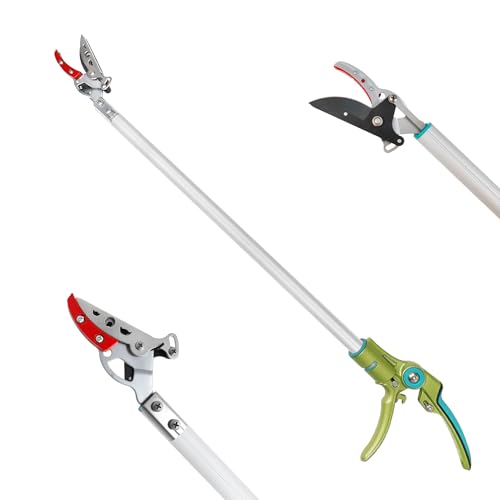
[REACH HIGH & STAY SAFE](No Ladder Required) Say goodbye to wobbly ladders! This 32inch long reach pole pruner offers an extra 30 inches of safe reach, allowing you to prune high branches or tall fruit trees while standing firmly on the ground. It’s the perfect extension tool for maintaining your backyard without the risk of falling.
Pruning Methods
- Thinning
Thinning removes select branches to improve light penetration and airflow. It enhances fruit quality and production. Focus on crowded areas and maintain a balanced shape for the tree. - Heading Back
Heading back shortens branches to promote bushier growth. Cut at a node or forking branch to stimulate new shoots. Apply this method sparingly to avoid excessive growth. - Crown Reduction
Crown reduction decreases the overall height and spread of a tree, which maintains its structural integrity. Cut back to a lateral branch or bud, ensuring adequate foliage remains for photosynthesis. - Lift
Lifting involves removing lower branches to create space underneath the tree. This technique aids in easier access for harvesting and landscaping, ensuring no competition for light.
- Angle Your Cuts
Make cuts at a 45-degree angle to encourage water runoff and prevent rot. This technique promotes quick healing and reduces susceptibility to disease. - Cut Just Above a Node
Always cut just above a bud or node, as this area promotes new growth. Ensure each cut has a clear view of the bud to direct future growth in the desired direction. - Avoid Topping
Refrain from topping trees, which involves cutting branches off flat. This method can create weak growth and lead to health issues. Stick with thinning and heading back. - Seal Larger Cuts
For larger cuts over 1 inch in diameter, apply a pruning seal to protect the wound from pests and disease. Use high-quality sealants for effective results. - Work in Stages
Prune in stages when tackling large trees to avoid shock. Step back frequently to assess your progress. This approach maintains the tree’s balance and overall health.
Implement these techniques and cutting methods to ensure your fruit trees thrive and produce bountiful yields.
Aftercare for Pruned Trees
After pruning, proper care for your fruit trees is essential to promote healthy regrowth and fruit production. Focus on watering, fertilizing, and monitoring tree health to ensure your efforts yield the best results.
Watering and Fertilizing
Water your pruned trees regularly to keep the soil consistently moist. Adequate moisture supports new growth and helps trees recover from pruning stress. Aim for about 1 to 2 inches of water per week, adjusting based on rainfall and temperature.
Fertilize your trees with a balanced fertilizer. Apply it in early spring when new growth begins, using a formula that contains equal parts nitrogen, phosphorus, and potassium. Follow package instructions for the appropriate amount based on your tree’s age and size. Avoid over-fertilizing, which can lead to excessive growth without fruit production.
Monitoring Tree Health
Keep a close eye on your trees after pruning. Inspect them for signs of stress, such as wilting leaves, discoloration, or pests. Circulate around the tree and examine all sides, checking for any dead branches or unusual growth patterns.
Utilize organic pesticides or fungicides if you notice pest infestations or diseases. These products minimize harm to beneficial insects and the environment. Regularly rake away fallen leaves and debris to reduce disease risk.
Observe your trees’ growth in the weeks following pruning. Healthy trees exhibit vibrant new growth and balanced canopy shapes. Take note of any issues and adjust your care as needed to ensure your trees thrive.
Conclusion
Taking the time to cut back your fruit trees can make a world of difference in their health and productivity. With the right tools and techniques you can transform overgrown trees into thriving plants that produce delicious fruit.
Remember to prune at the right time and keep an eye on your trees throughout the growing season. Regular maintenance and aftercare will help you enjoy bountiful harvests for years to come. So grab your pruning shears and get started on this rewarding journey to a healthier garden. Your fruit trees will thank you!
Frequently Asked Questions
What is the primary reason for pruning fruit trees?
Pruning fruit trees primarily promotes healthy growth and maximizes fruit production. By removing dead or diseased branches, pruning encourages robust new growth and makes harvesting easier.
When is the best time to prune fruit trees?
The best time to prune fruit trees is during late winter or early spring, before new growth begins. This timing allows trees to redirect their energy towards developing leaves and fruit as temperatures rise.
What tools do I need for effective pruning?
Essential tools for effective pruning include pruning shears for small branches, loppers for thicker branches, a hand saw for larger cuts, and a pole pruner for high branches. Protective gear like gloves and safety glasses is also recommended.
How do I know when to prune my fruit trees?
Prune your fruit trees when you notice signs like dead or diseased wood, overcrowded branches, or reduced fruit production. Regular observation will help identify the right moments for pruning.
What are some common pruning techniques?
Common pruning techniques include thinning to improve airflow, heading back to promote bushier growth, and crown reduction to maintain shape. Making cuts at a 45-degree angle encourages water runoff and healthy new growth.
What should I do after pruning my fruit trees?
After pruning, ensure regular watering and fertilizing with a balanced fertilizer in early spring. Monitor the trees for stress, pests, or diseases, and apply organic treatments as necessary for maintenance.
