

Banana trees can thrive in Mesa, AZ, with proper soil management and care. The desert climate poses challenges, but with the right techniques, you can cultivate healthy banana trees in your garden.
Desert Soil Amendments for Banana Trees
Desert soil in Mesa is typically sandy, low in organic matter, and drains quickly. These characteristics can be detrimental to banana trees, which prefer moist, nutrient-rich environments. To successfully grow banana trees, you must amend the soil to improve its fertility and moisture retention.
Essential Amendments for Desert Banana Cultivation
Growing banana trees in Mesa, AZ requires careful consideration of the unique desert soil conditions. To ensure healthy growth and fruit production, specific soil amendments are essential. This section outlines the key amendments that can enhance soil quality and support successful banana cultivation in arid environments.
To enhance desert soil for banana trees, consider the following amendments:
Compost: Incorporate well-rotted compost to increase organic matter.
Mulch: Apply organic mulch to retain moisture and regulate soil temperature.
Clay: Mix in clay to improve water retention and nutrient availability.
| Amendment Type | Purpose | Application Rate |
|---|---|---|
| Compost | Increases organic matter | 2-4 inches |
| Mulch | Retains moisture | 2-3 inches |
| Clay | Improves retention | 10-20% of soil volume |
Best Banana Tree Varieties for Desert Conditions
When considering banana trees for cultivation in Mesa, AZ, it’s essential to select varieties that thrive in arid climates. Certain banana tree types are better suited to withstand the heat and unique soil conditions found in desert environments. Understanding these varieties can significantly enhance your chances of successful growth and fruit production.
Choosing the appropriate banana tree variety is crucial for success in a desert climate. Some varieties are more tolerant of heat and drought than others. Consider these options:
Dwarf Cavendish: Compact and productive, ideal for small spaces.
Gros Michel: Known for its hardiness and excellent flavor.
Red Dacca: Offers unique color and flavor, thrives in warm climates.
Choosing the Best Banana Tree Varieties for Mesa
When selecting banana tree varieties for Mesa, AZ, it’s essential to consider the unique climate and soil conditions of the region. Certain varieties thrive better in the arid environment, offering resilience against heat and drought. Understanding these factors will help ensure a successful and fruitful growth experience.
When selecting a banana tree variety, consider:
Size: Ensure the tree fits your garden space.
Fruit Type: Decide based on taste and use.
Growth Rate: Some varieties mature faster than others.
Desert Watering Strategies for Banana Trees
Growing banana trees in Mesa, AZ, presents unique challenges due to the region’s arid climate and specific soil conditions. Effective watering strategies are essential for ensuring these tropical plants thrive in a desert environment. Understanding how to manage water resources will play a crucial role in cultivating healthy banana trees in this setting.
Proper watering is essential for banana trees in Mesa. The desert climate requires a strategic approach to ensure the trees receive adequate moisture without overwatering.
Recommended Products
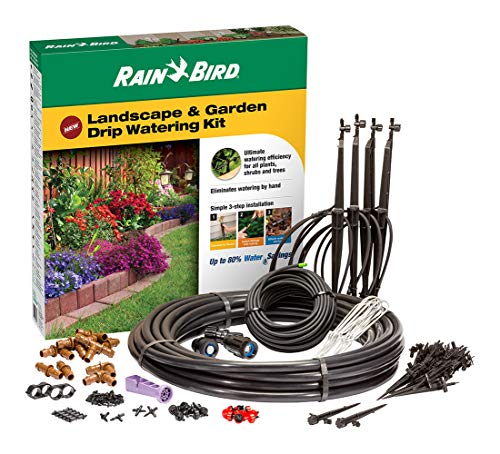
Comprehensive 108-piece kit for flower beds, gardens and landscaped areas; eliminates hand watering, saves time and money

SAVE TIME AND EFFORT: This plant watering kit has everything you need to get started with drip irrigation and precisely water up to ten individual plants. Use the kit to build, expand, or repair a drip irrigation system

2.0 gallon per hour pressure-compensating emitter delivers same uniform flow rate from beginning to end of tubing runs
Desert Watering Techniques for Banana Trees
Growing banana trees in Mesa, AZ, presents unique challenges due to the region’s arid climate and specific soil conditions. Effective watering techniques are crucial for ensuring these tropical plants thrive in a desert environment. Understanding the best practices for irrigation can make a significant difference in the health and productivity of banana trees in this setting.
Implement these watering techniques:
Drip Irrigation: Install a drip system to deliver water directly to the roots.
Soil Moisture Monitoring: Use a soil moisture meter to prevent overwatering.
Deep Watering: Water deeply but infrequently to encourage deep root growth.
| Watering Method | Frequency | Benefits |
|---|---|---|
| Drip Irrigation | Weekly | Efficient water use |
| Soil Moisture Meter | As needed | Prevents overwatering |
| Deep Watering | Bi-weekly | Promotes deep roots |
Desert Fertilization for Banana Trees
Successfully growing banana trees in Mesa, AZ requires careful attention to desert fertilization techniques. The unique arid conditions demand specific nutrient management strategies to ensure healthy growth and fruit production. Understanding the best practices for fertilizing banana trees in this environment is essential for achieving optimal results.
Banana trees require regular fertilization to thrive in nutrient-poor desert soil. A balanced fertilizer will support healthy growth and fruit production.
Optimal Fertilizers for Desert Soil
When cultivating banana trees in the challenging desert environment of Mesa, AZ, selecting the right fertilizers is crucial for success. The unique soil conditions demand specific nutrients to support healthy growth and fruit production. Understanding which fertilizers work best in this arid climate can make a significant difference in achieving a thriving banana grove.
Use these fertilizers for optimal results:
Balanced NPK Fertilizer: Provides essential nutrients.
Organic Fertilizers: Such as fish emulsion or bone meal for slow-release nutrients.
Micronutrient Blends: To address specific deficiencies.
| Fertilizer Type | NPK Ratio | Application Frequency |
|---|---|---|
| Balanced NPK | 10-10-10 | Every 6-8 weeks |
| Organic Fertilizer | Varies | Monthly during growing season |
| Micronutrient Blend | Varies | As needed |
Pest Management for Banana Trees in Desert Climates
Managing pests is crucial for the health of banana trees in desert climates like Mesa, AZ. The unique environmental conditions can attract specific pests that threaten growth and yield. Understanding effective pest management strategies will help ensure that your banana trees thrive despite the challenges posed by the arid landscape.
Pests can threaten banana trees, especially in warm climates. Regular monitoring and preventive measures are essential to maintain plant health.
Pests Affecting Banana Trees in Desert Soil
In the arid climate of Mesa, AZ, banana trees face unique challenges, particularly from pests that thrive in desert conditions. Understanding these pests is crucial for effective management and ensuring the health of your banana trees. This section explores the specific pests that can impact banana trees in desert soil and offers insights into their management.
Be aware of these pests:
Aphids: Use insecticidal soap to control infestations.
Spider Mites: Increase humidity and use neem oil for treatment.
Fungal Diseases: Ensure good air circulation and apply fungicides as needed.
| Pest Type | Control Method | Frequency |
|---|---|---|
| Aphids | Insecticidal Soap | As needed |
| Spider Mites | Neem Oil | Weekly during outbreaks |
| Fungal Diseases | Fungicides | At first sign of disease |
Banana Growth Strategies for Desert Conditions
Growing banana trees in desert conditions like those found in Mesa, AZ, presents unique challenges that require specific strategies. Understanding how to manage soil and water effectively can significantly enhance the chances of success. This section explores practical approaches to cultivating bananas in arid environments, ensuring optimal growth and fruit production.
Growing banana trees in Mesa requires attention to soil management, watering, and pest control. With the right practices, you can enjoy a fruitful harvest.
Monitor your trees regularly for signs of stress or disease. Adjust your care routine as needed to ensure robust growth and fruit production.
