

Have you ever wondered how to give your fruit trees a natural boost? If you’re looking for a way to enrich your soil and promote healthy growth, chicken manure might just be the answer. Many gardeners face challenges with nutrient deficiencies, and knowing how to use chicken manure effectively can make all the difference.
Key Takeaways
- Nutrient Richness: Chicken manure provides essential nutrients like nitrogen, phosphorus, and potassium, vital for healthy fruit tree growth and optimum fruit production.
- Soil Improvement: Incorporating chicken manure enhances soil structure, drainage, microbial activity, and pH balance, leading to better overall health of fruit trees.
- Proper Preparation: Composting chicken manure before application stabilizes nutrients and reduces pathogens. A carbon-to-nitrogen ratio of 30:1 is ideal for effective composting.
- Application Methods: Chicken manure can be applied by broadcasting on the soil surface or by incorporating it directly into the soil, each method catering to different types of trees and their growth stages.
- Optimal Timing: The best times to apply chicken manure are early spring and late fall, aligning with fruit trees’ growth and nutrient uptake needs.
- Monitoring and Adjusting: Regular nutrient testing and monitoring of tree responses after application are crucial for adjusting application rates to avoid nutrient burn and promote healthy growth.
Benefits Of Chicken Manure For Fruit Trees
Chicken manure acts as a powerful natural fertilizer, providing various benefits for fruit trees. Utilizing it enriches the soil and fosters healthy growth.
Nutrient Content
Chicken manure contains essential nutrients that promote strong fruit tree development. Key nutrients include:
- Nitrogen: Supports leafy growth and fruit production.
- Phosphorus: Aids root development and flowering.
- Potassium: Enhances overall tree health and disease resistance.
Using chicken manure ensures that your fruit trees receive a balanced diet of these vital elements, improving yield quality and quantity.
Soil Improvement
Using chicken manure improves soil structure and fertility. Benefits include:
- Enhanced Drainage: Organic matter from chicken manure improves soil aeration and water retention.
- Microbial Activity: Beneficial microorganisms thrive in enriched soil, promoting nutrient cycling and plant health.
- pH Balance: Chicken manure can help adjust soil pH, creating optimal conditions for nutrient uptake.
Incorporating chicken manure into your garden enhances the overall health of your fruit trees and the surrounding soil.
Preparing Chicken Manure For Application
Preparing chicken manure for application to fruit trees requires a few important steps. Proper preparation enhances nutrient availability and minimizes risks associated with pathogens or excess nitrogen.
Recommended Products

DURABLE CONSTRUCTION: Solid 20 inch (508 mm) 0.2 inch (5mm) diameter stem; reinforced welded bolt between dial and stem for long-lasting operation and conditions; high quality 304 stainless steel
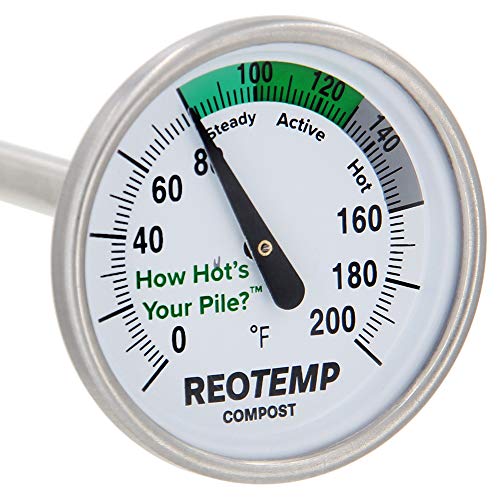
Perfect for the Beginner Composter - Free PDF Digital Compost Guide Included - Expert instructions on how to get started composting and managing your compost pile for the most efficient compost production.

Easy-to-read green, yellow, and red tick marks for easy monitoring
Composting Chicken Manure
Composting chicken manure stabilizes nutrients and reduces pathogens. Follow these steps for effective composting:
- Gather Materials: Collect fresh chicken manure and mix it with carbon-rich materials like straw, leaves, or sawdust in a compost bin or pile.
- Maintain Balance: Aim for a carbon-to-nitrogen ratio of about 30:1. This balance ensures successful decomposition.
- Turn Regularly: Turn the compost every few weeks to aerate it. This process speeds up decomposition and prevents odors.
- Monitor Temperature: A temperature of 130-160°F aids in killing pathogens. Use a compost thermometer to check the heat.
- Cure the Compost: After about 2-4 months, allow the compost to cure for an additional month before using it on fruit trees. This step ensures all materials break down properly.
Testing Nutrient Levels
Testing nutrient levels in chicken manure provides insight into its effectiveness. Conduct tests in these steps:
- Obtain a Sample: Collect a representative sample from your composted chicken manure. Aim for about one cup.
- Use a Soil Test Kit: Purchase a soil test kit from a local garden center or online. Opt for a kit that measures nitrogen, phosphorus, and potassium levels.
- Follow Instructions: Adhere to the kit’s instructions for accurate measurements. This typically involves mixing the sample with a reagent.
- Analyze Results: Compare the results with recommended nutrient levels for fruit trees. This analysis helps you adjust application rates as needed.
- Adjust Application: If nutrient levels are high, consider diluting the manure with more carbon-rich materials to prevent nutrient burn.
By composting chicken manure and testing its nutrient levels, you’re setting your fruit trees up for optimal health and growth.
Methods Of Applying Chicken Manure
Applying chicken manure effectively promotes healthy fruit tree growth. Two primary methods exist for this application: broadcasting and incorporating into the soil.
Recommended Products

Durable & Long-Lasting: Crafted from high-quality materials, these fruit tree branch pullers to withstand the rigors of outdoor use season after season. Resistant to rust, weathering, and wear, they provide consistent performance, becoming your go-to tools for maintaining your orchard year after year.

Limb spreaders for training limbs with a strong crotch angle

1. Iron branch support, orchard expenditure tools for apple trees, cherry trees, for old branches, fruit tree branch training, increased light, ventilation and air.
Broadcasting
Broadcasting involves spreading chicken manure directly onto the soil’s surface. This method is straightforward and efficient. Here’s how you can do it:
- Timing: Apply chicken manure in early spring or fall. The timing allows nutrients to penetrate the soil before the growing season.
- Uniform Distribution: Use a spreader or your hands to distribute manure evenly around the root zone. Aim for a 1 to 2-inch layer.
- Watering: Lightly water the area after application to help dissolve nutrients and encourage absorption.
Broadcasting works well for established fruit trees, providing a quick nutrient boost to the soil.
Incorporating Into Soil
Incorporating chicken manure into the soil enhances its effectiveness by facilitating better nutrient uptake. Follow these steps for incorporation:
- Preparation: Clear the area around the fruit tree of weeds and debris.
- Digging: Use a shovel or tiller to loosen the top 6 to 12 inches of soil in the root area.
- Even Mixing: Add well-aged or composted chicken manure to the loosened soil. Mix thoroughly to distribute nutrients evenly.
- Leveling: Rake the soil surface smooth to ensure an even planting bed.
Incorporating is especially beneficial for young trees or newly planted saplings, promoting strong root establishment.
Both methods maximize the benefits of chicken manure, ensuring your fruit trees receive the necessary nutrients for robust growth and high yields.
Timing And Frequency Of Application
Timing and frequency play a crucial role in effectively applying chicken manure to fruit trees. Following the right schedule maximizes nutrient uptake and promotes healthy growth.
Recommended Products

FOR USE ON: Use Chicken Manure organic fertilizer for flowers (annuals, perennials, and roses), Vegetables (tomatoes, peppers, squash, and lettuce), trees and shrubs.
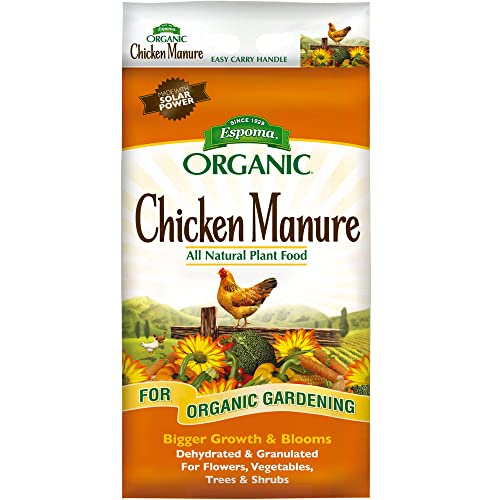
FOR USE ON: Use Chicken Manure organic fertilizer for flowers (annuals, perennials, and roses), Vegetables (tomatoes, peppers, squash, and lettuce), trees and shrubs.

SUPPORTS ABUNDANT FLOWERING: Our fertilizer is specially designed to support abundant fruiting and flowering. Its rich phosphorus content helps support the development of vibrant blooms, making it the ideal choice for garden enthusiasts
Best Times To Apply
Apply chicken manure during the early spring as fruit trees start to break dormancy. This timing aligns with the trees’ nutrient needs for new leafy growth and fruit production. Alternatively, autumn application benefits trees as they prepare for winter dormancy, providing nutrients for root development. Avoid applying during extremely hot or cold weather, as soil conditions can affect nutrient availability.
Recommended Frequency
Apply chicken manure once or twice a year for optimal results. For established trees, once in early spring and once in late fall works well. For young trees, increase frequency to three times a year to support rapid growth and establish strong root systems. Always monitor the trees’ health and adjust application based on their growth responses.
Conclusion
Applying chicken manure to your fruit trees can be a game changer for their growth and health. By enriching the soil with essential nutrients and improving its structure you’re setting the stage for bountiful harvests. Remember to prepare the manure properly and choose the right application method to maximize its benefits.
Keep an eye on your trees and adjust your application frequency based on their needs. With a little care and attention you’ll enjoy vibrant fruit trees that not only look great but also produce delicious fruits for you to savor. Happy gardening!
Frequently Asked Questions
What are the benefits of using chicken manure for fruit trees?
Chicken manure provides essential nutrients like nitrogen, phosphorus, and potassium, promoting healthy growth in fruit trees. It enriches the soil, improves structure, enhances drainage, and fosters microbial activity. Using chicken manure can lead to better fruit quality and higher yields by addressing nutrient deficiencies.
How should chicken manure be prepared before application?
Proper preparation includes composting chicken manure to enhance nutrient availability and reduce risks from pathogens. This involves gathering materials, maintaining a carbon-to-nitrogen balance, regularly turning the compost, monitoring temperature, and allowing it to cure before use.
What nutrient levels should be tested in chicken manure?
Testing nutrient levels helps gardeners know the nutrient content of chicken manure. A soil test kit can analyze the sample for nitrogen, phosphorus, and potassium levels, ensuring optimal application rates for healthy fruit tree growth.
What are effective methods for applying chicken manure to fruit trees?
Two primary methods are broadcasting and incorporating. Broadcasting involves spreading manure on the soil surface, while incorporating requires mixing well-aged manure into loosened soil. Both techniques maximize nutrient absorption and benefit fruit tree growth.
When is the best time to apply chicken manure to fruit trees?
Early spring is ideal as trees break dormancy, while autumn applications support trees before winter. Established trees generally require one or two applications annually, whereas young trees benefit from three applications to support rapid growth.
