

Have you ever wondered how often to water your fruit trees in California? With its varied climate and unique conditions, figuring out the right watering schedule can be tricky. You might find yourself overwatering or underwatering, both of which can harm your trees and affect their fruit production.
This article will help you navigate the ins and outs of watering fruit trees in the Golden State. You’ll discover practical tips tailored to California’s climate, ensuring your trees thrive and yield delicious fruit. By understanding the needs of your trees, you’ll be well on your way to a fruitful harvest.
Key Takeaways
- Proper Watering is Essential: Adequate hydration is crucial for the growth, fruit quality, and overall health of fruit trees in California, impacting yield significantly.
- Adapt to Climate Conditions: Tailor your watering schedule according to local climate factors such as temperature, rainfall, and humidity to meet the specific needs of your trees.
- Consider Soil Type: Different soil types affect moisture retention. Sandy soils require more frequent watering, whereas clay soils need deep, infrequent watering.
- Adjust for Tree Variety: Each fruit tree variety has unique watering needs, so understanding your specific trees—such as citrus or stone fruits—ensures optimal care.
- Monitor Consistently: Regularly assess soil moisture and tree health to avoid common mistakes like overwatering or underwatering, both of which can harm tree growth and fruit production.
- Utilize Seasonal Strategies: Adjust your watering practices seasonally to match changing weather patterns, providing more water in the heat of summer and less during cooler fall months.
Importance Of Watering Fruit Trees
Watering fruit trees plays a crucial role in their health and productivity. Proper hydration supports tree growth, enhances fruit quality, and boosts yields. Understanding the importance of appropriate watering helps you maintain vibrant trees in California’s unique climate.
- Supports Growth: Adequate water promotes strong root systems. Healthy roots absorb nutrients effectively, fostering robust growth and a solid structure.
- Enhances Fruit Quality: Consistent watering contributes to the size and flavor of fruits. Even moisture levels prevent stress, ensuring fruit develops optimally.
- Boosts Yields: Sufficient water directly impacts the quantity of fruit produced. Trees consistently receiving the right amount of water bear more fruit during harvest.
- Prevents Stress: Overwatering or underwatering leads to stress. Stress can cause issues like leaf drop and decreased fruit set, reducing overall production.
- Improves Disease Resistance: Well-watered trees are less susceptible to diseases. Healthy trees can fend off pests and pathogens more effectively.
- Encourages Pollination: Healthy trees attract pollinators. Adequate water helps maintain the tree’s overall vitality, enhancing the chances of successful fruit set.
Consider adjusting your watering techniques based on your trees’ specific needs and the local climate. Regularly assess soil moisture to ensure optimal hydration. Use mulching to retain soil moisture and reduce evaporation, especially during hot summer months. This strategy aids in sustainable water use while keeping your trees thriving.
Factors Influencing Watering Frequency
Understanding how often to water fruit trees in California involves considering several key factors that affect their hydration needs. Climate, soil type, and tree variety play significant roles in determining the appropriate watering schedule.
Climate Conditions
Climate conditions significantly impact how often you water fruit trees. California’s diverse climate ranges from coastal to desert, which affects evaporation rates and moisture availability.
- Temperature: Higher temperatures increase water evaporation, requiring more frequent watering during summer months. For instance, a hot summer can demand up to twice weekly watering.
- Rainfall: Seasonal rainfall influences watering frequency. During the rainy season, you may reduce watering since natural precipitation provides adequate moisture.
- Humidity: Moist air can lessen the need for frequent watering. If you’re in a coastal area with high humidity, consider watering less often than in arid zones.
Soil Type
Soil type directly impacts water retention and drainage, key factors in developing an effective watering schedule.
- Sandy Soils: These drain quickly but retain less moisture. Trees in sandy soils often require more frequent watering, especially during dry spells.
- Clay Soils: Clay retains moisture well but drains slowly, which can lead to overwatering issues. For trees in clay, water deeply but less frequently, allowing the soil to dry out between waterings.
- Loamy Soils: A combination of sand and clay, loamy soils provide balanced drainage and retention. They typically need watering every 7 to 14 days, depending on the climate and season.
Tree Variety
Different fruit tree varieties have unique water requirements, so knowing your trees can help maintain their health.
- Citrus Trees: Citrus often requires regular watering, about once a week, especially in the growing season.
- Stone Fruits: Varieties like peaches and cherries prefer more moisture during critical growth phases but can tolerate brief drying spells.
- Subtropical Trees: Figs and pomegranates thrive with periodic watering. These trees are more drought-resistant and fair well with less frequent irrigation, about every 10 to 14 days.
Assessing these factors helps you create a tailored watering plan that supports your fruit trees’ health and boosts their productivity.
General Guidelines For Watering Fruit Trees
Watering fruit trees in California requires understanding specific needs based on age and variety. Proper watering ensures healthy growth and fruitful yields.
Recommended Products
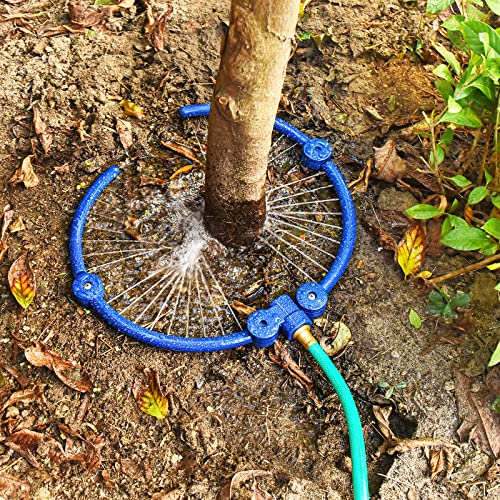
【Specially Designed for Trees and Shrubs】 The Watering Ring is a multi-purpose irrigation ring that attaches to a garden hose to efficiently water young trees shrubs vegetables or flower beds using drip or trickle irrigation.It directs water to the root perimeter of the plant to give them a good start during the first two growing seasons or through periods of drought.
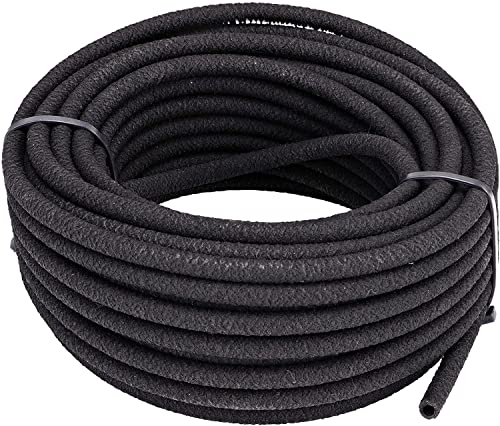
Slowly waters the soil around your plants for complete root zone hydration; Ideal for short runs on flat surfaces, such as vegetable gardens, borders, and around small plants

【Even & Consistent Root Watering】Features micro-pore seepage technology that distributes water evenly along the entire hose, transforming spot watering into uniform line watering directly to plant roots. Unlike traditional drip irrigation systems with clog-prone emitters, this soaker hose creates a continuous moisture band for healthier, deeper-rooted plants
Young Trees
Young trees need consistent moisture to establish strong roots. Water deeply to encourage growth but don’t overdo it.
- Water once a week during warm months.
- Check soil moisture 2 to 3 inches below the surface. If it’s dry, water.
- Apply 10 to 15 gallons of water per session.
- Use soaker hoses or drip irrigation for efficiency.
Adjust for heavy rains, as young trees can drown easily.
Mature Trees
Mature trees rely on deeper roots, which access moisture from more layers of soil. Their watering needs differ based on the season.
- Water every 10 to 14 days during dry spells.
- Increase frequency to once a week during extreme heat.
- Use 15 to 25 gallons of water per session, depending on size.
- Layer mulch around the base to retain soil moisture.
Monitor tree health closely. Signs of stress indicate that adjustments may be necessary. Regularly checking soil moisture ensures your trees get the right amount of water.
Seasonal Watering Strategies
Understanding seasonal watering strategies is essential for maintaining healthy fruit trees in California. Your watering schedule should adapt to seasonal changes, ensuring your trees get the right amount of moisture throughout the year.
Recommended Products

Deep Root Irrigation with 4-Hole Design – Sharp stainless steel tip helps enter most garden soils, while the 4 side-hole outlet helps reduce clogging and delivers water or liquid fertilizer deeper into the root zone for backyard trees, fruit trees, and garden plants.

【Unique Design Deep Root Tree Watering Tool】 Our root watering tool have four exit hole for the water,won't got clogged easily,It made of stainless steel,not rusting from the inside out.It can leave in the soil and is strong enough to drive through gravel,help your plants build a strong root system .

4-Hole Side Design: This high-performance tree watering spike makes it easy to deliver water and fertilizer directly to the root zone. The upgraded side-hole design helps improve watering efficiency, while the sharp tip makes it easy to push into hard or compact soil. The 4 side outlets help reduce clogging and distribute water more evenly for deep root watering and feeding.
Spring
In spring, as temperatures rise and trees start to bud, consistent watering becomes vital. Water young trees deeply once a week, providing 10 to 15 gallons of water per session. Mature trees should also receive attention, with watering every 10 to 14 days, using 15 to 25 gallons per watering. Spraying the foliage can help with early bud development, but avoid overwatering, which can promote root rot.
Summer
Summer heat significantly increases the need for water. During peak temperatures, water your young trees weekly, using the same 10 to 15 gallons per session. It’s essential to check soil moisture regularly; if the top 2-3 inches feel dry, water immediately. For matured trees, increase watering to once a week during extreme heat, supplying 15 to 25 gallons each time. Applying mulch around the base can help retain moisture, reducing evaporation and keeping roots cool.
Fall
As temperatures cool in fall, your watering schedule should adjust. Water younger trees every two weeks, still providing 10 to 15 gallons. Mature trees can often go the entire fall month without watering, as cooler temperatures and potential rainfall often meet their needs. However, monitor rainfall and check soil moisture regularly. If the season remains dry, continue to water when necessary, helping your trees prepare for winter dormancy.
Common Mistakes In Watering
Overwatering and underwatering are common mistakes when caring for fruit trees in California. Both can lead to serious consequences, including root rot and stunted growth.
Recommended Products

SAVE TIME AND EFFORT: This plant watering kit has everything you need to get started with drip irrigation and precisely water up to ten individual plants. Use the kit to build, expand, or repair a drip irrigation system

Tree Watering Bags Slow releaseSlow Deep Watering for Healthy Roots: Each watering bag holds 20 gallons (75.5L) and releases water gradually over 5–9 hours, directly soaking the root zone. This encourages deep root growth, reduces transplant shock, and helps trees thrive in hot or dry weather.

NO MORE HARD INSTALLATION - SET UP IN MINUTES. Tired of struggling with stiff barbed fittings? This drip irrigation system features quick-connect fittings that let you push, lock, and secure tubing effortlessly. No tools, no leaks, just a smooth setup experience. Enjoy a frustration-free installation and get your garden watering system running in minutes.
Overwatering
Overwatering often results from frequent watering without assessing soil moisture. Signs of overwatering include yellowing leaves and wilting. To prevent this mistake, check the soil by digging a few inches below the surface. If the soil feels wet, wait a few days before watering again.
Underwatering
Underwatering causes stress on trees, affecting their health and fruit production. Signs of underwatering include dry, brittle leaves and a wilting appearance. Ensure trees receive adequate water, especially during the hot summer months. For young trees, deep watering once a week provides the necessary moisture.
Ignoring Soil Type
Ignoring soil type can lead to watering problems. Sandy soils drain quickly, while clay retains water. Assess your soil composition to tailor your watering schedule. For sandy soils, more frequent watering is necessary. For clay soils, reduce frequency but increase water volume to properly saturate the roots.
Inconsistent Watering Schedule
Inconsistent watering creates stress for trees. Establish a regular watering schedule based on tree age and variety. You can adjust this schedule based on seasonal changes. For young trees, consistent weekly watering suffices during dry months.
Not Using Mulch
Not using mulch can increase evaporation rates, leading to moisture loss. Mulch helps retain soil moisture, moderates temperature, and prevents weed growth. Apply a layer of organic mulch around the base of the tree to enhance moisture retention.
Failing to Monitor Weather Conditions
Failing to monitor weather conditions can disrupt your watering routine. Adjust your watering schedule according to rainfall and temperature fluctuations. During rainy periods, reduce watering frequency. In heat waves, increase watering sessions to combat evaporation.
Address these common mistakes for healthier trees and a more fruitful harvest. By adjusting your techniques, you can ensure your fruit trees thrive in California’s unique climate.
Conclusion
Finding the right watering schedule for your fruit trees in California can make all the difference in their health and productivity. By paying attention to your trees’ specific needs and the local climate, you’ll be better equipped to keep them thriving.
Remember to check soil moisture regularly and adjust your techniques based on the season and tree variety. With a little care and attention, you can enjoy a bountiful harvest while ensuring your trees stay healthy and strong. Happy gardening!
Frequently Asked Questions
What is the best watering schedule for fruit trees in California?
To effectively water fruit trees in California, young trees need deep watering once a week during warm months, using 10 to 15 gallons of water. Mature trees should be watered every 10 to 14 days during dry periods, and once a week in extreme heat, with 15 to 25 gallons per session. Adjust based on local climate conditions and rainfall.
How can I tell if my fruit trees need water?
Check the soil moisture by digging a few inches down. If the soil is dry, it’s time to water. Look for signs like yellowing leaves, which indicate overwatering, or dry, brittle leaves, suggesting underwatering. Regularly monitoring these factors helps maintain tree health.
What factors influence watering frequency for fruit trees?
Several factors affect how often you should water fruit trees, including climate conditions, soil type (such as sandy, loamy, or clay), tree variety, and seasonal changes. Understanding these variables will help you create a tailored watering schedule that meets your trees’ needs.
What are the common mistakes when watering fruit trees?
Common mistakes include overwatering and underwatering, which can lead to root rot or stunted growth. Failing to check soil moisture before watering and not adjusting based on soil type can also cause issues. Using mulch and monitoring conditions can prevent these mistakes.
How does California’s climate impact my watering schedule?
California’s diverse climate affects evaporation rates and moisture availability. Higher temperatures during summer necessitate more frequent watering, while seasonal rainfall allows for reduced irrigation. Adjust your watering schedule according to temperature fluctuations and rainfall patterns for optimal tree health.
