

Are your raspberries not living up to their full potential? Picture this: you’ve diligently planted and nurtured your raspberry bushes, but they’re just not producing the juicy, flavorful berries you were hoping for. Could it be that they’re not getting enough sunlight?
In this article, we’ll explore the crucial role that sunlight plays in the growth and productivity of raspberry plants. By understanding how much sun your raspberries need, you’ll be equipped to optimize their health and yield. Get ready to unlock the secrets to bountiful raspberry harvests by mastering the art of sun exposure for your beloved berry bushes.
Key Takeaways
- Raspberries thrive in full sunlight, needing at least 6-8 hours of direct sun exposure daily for optimal growth and fruit development.
- Different raspberry varieties have varying sun requirements, with summer-bearing and fall-bearing types performing best in full sunlight conditions.
- Providing raspberries with the right amount of sunlight directly impacts the quality and yield of the fruits they produce.
- Techniques like pruning, trellising, site selection, reflective mulch, shade cloth, and adjusting watering schedules can help optimize sun exposure for raspberry plants.
- Adjusting care practices throughout the seasons based on sunlight availability is crucial to ensure healthy growth and bountiful harvests for raspberries.
Understanding Raspberry Sun Requirements
When it comes to growing raspberries, understanding their sun requirements is crucial for optimal growth and productivity. Let’s delve into the specifics to help you enhance your raspberry harvest.
Recommended Products
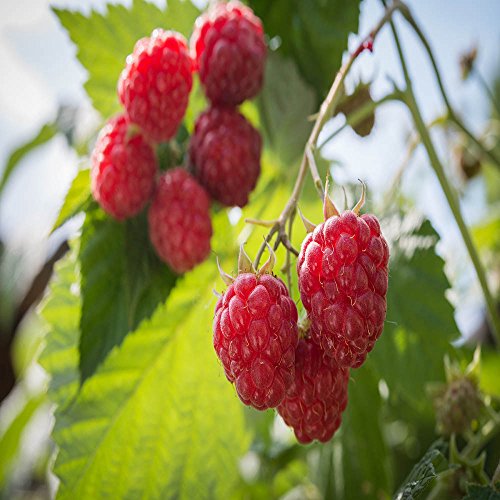
You will receive healthy bare root plants. We always send extra plants. We want to make sure you are completely satisfied.

Thornless & Easy to Harvest: Joan J is a nearly thornless raspberry variety, making picking fast, comfortable, and kid-friendly.

🍓 Sweet, Juicy Homegrown Raspberries: Enjoy delicious, sun-ripened berries straight from your garden. Perfect for fresh eating, baking, jams, and freezing.
The Importance of Sunlight for Raspberry Growth
Raspberries thrive in full sunlight, requiring at least 6-8 hours of direct sun exposure daily. Adequate sunlight is essential for photosynthesis, the process by which plants convert light energy into food, promoting robust growth and fruit development.
To ensure your raspberry bushes receive ample sunlight, choose a sunny location with well-draining soil. Avoid planting them in shaded areas or where they may be obstructed by tall trees or structures that can limit sun exposure.
Different Raspberry Varieties and Their Sun Needs
Various raspberry varieties have distinct sun requirements based on their genetic makeup.
- Summer-Bearing Raspberries: These varieties typically need full sun to thrive and produce high yields during the summer months.
- Everbearing Raspberries: While they prefer full sun, everbearing raspberries can tolerate partial shade as well. However, to maximize fruit production, providing them with adequate sunlight is recommended.
- Fall-Bearing Raspberries: Similar to summer-bearing types, fall-bearing raspberries perform best in full sunlight conditions. Ensuring they receive sufficient sun exposure will result in healthy plant growth and abundant harvests.
By understanding the specific sunlight needs of different raspberry varieties, you can tailor your cultivation practices to meet their requirements effectively and enjoy bountiful harvests year after year.
Optimal Sunlight Conditions for Raspberries
To ensure the healthy growth and abundant harvest of your raspberry plants, it’s essential to provide them with the right amount of sunlight. Understanding the optimal sunlight conditions for raspberries is key to maximizing their productivity and fruit quality.
Recommended Products

For those who thrive in the late hours, this design is for night shift workers who are more of an owl than a morning person. Embrace the nocturnal hustle and let everyone know you’re ready to take on the night with a sense of humor and dedication.

Plant Type & Variety: Heritage Everbearing Red Raspberry, a hardy perennial producing large, sweet-tart berries in summer and fall.

How Many Hours of Sunlight Are Ideal?
Raspberries thrive when they receive 6-8 hours of direct sunlight each day. This duration is crucial for efficient photosynthesis, which is vital for the plants’ growth and fruit development. By ensuring your raspberries get adequate sunlight, you’re setting them up for success in producing flavorful berries.
The Effect of Sunlight on Fruit Quality and Yield
The amount of sunlight your raspberry plants receive directly impacts the quality and yield of the fruits they bear. Insufficient sunlight can result in smaller, less flavorful berries with lower yields. On the other hand, providing your raspberries with the recommended 6-8 hours of direct sunlight daily can lead to larger, sweeter berries and a bountiful harvest.
By prioritizing optimal sunlight conditions for your raspberry plants, you’re giving them the best chance to flourish and reward you with delicious fruits season after season.
Managing Sunlight in Different Growing Conditions
To ensure your raspberry plants thrive, it’s crucial to manage sunlight effectively based on the specific needs of different growing conditions. Here are some techniques and solutions to help you optimize sun exposure for your raspberries:
Recommended Products

Set of 2 live raspberry plants: Includes two live raspberry bush plants, ready for planting in gardens or raised beds
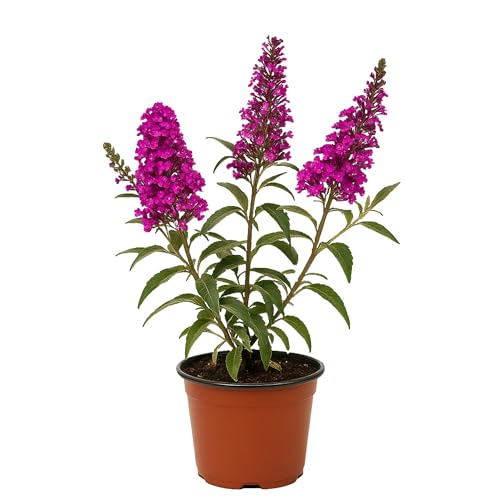
PRODUCT: Includes 1 plant in a quart grower pot (Buddleia Butterfly Bush 'Buzz Hot Raspberry'). Images of flowers or mature plants are for reference only, plant height will vary and may not be in bloom.

Click the Maui Jim link above to visit our brand store, where you can find our entire catalog of sunglasses
Techniques for Increasing Sun Exposure
- Pruning: Regularly prune surrounding trees or shrubs that may block sunlight from reaching your raspberry plants.
- Trellising: Utilize trellises or stakes to train raspberry canes, ensuring better sun penetration throughout the plant.
- Site Selection: Plant raspberries in open areas with ample sunlight and minimal shading from buildings or other structures.
- Reflective Mulch: Use reflective mulch around raspberry plants to bounce sunlight back onto the leaves, maximizing photosynthesis.
- Shade Cloth: Install shade cloth over raspberry plants during peak sun hours to provide protection from excessive heat and light.
- Watering Schedule: Adjust your watering routine to keep soil moisture levels stable, preventing dehydration due to intense sunlight.
- Temporary Structures: Erect temporary shade structures like umbrellas or cloth covers for raspberries in extreme sunny conditions.
By implementing these strategies, you can effectively manage sunlight exposure for your raspberry plants, ensuring they receive the right amount of sun without being overexposed.
Seasonal Sunlight Considerations
When it comes to ensuring your raspberry plants thrive, adjusting their care throughout the seasons is crucial. Different seasons bring varying sunlight levels, affecting the growth and fruiting of your raspberries. Here’s how you can tailor your raspberry care based on the changing seasons:
Adjusting Raspberry Care Through the Seasons
In spring, focus on providing ample sunlight to encourage strong growth and flowering in your raspberry plants. As summer approaches, ensure that your raspberries receive 6-8 hours of direct sunlight daily for optimal photosynthesis and fruit development. During fall, adjust pruning techniques to allow more sunlight to reach the lower parts of the plant, aiding in ripening late-season fruits.
The Impact of Weather on Sunlight Availability
Weather conditions play a significant role in determining sunlight availability for your raspberry plants. Cloudy days can reduce the amount of sunlight reaching your plants, impacting their growth rate and overall productivity. Be mindful of weather forecasts and consider using temporary structures like shade cloth during excessively sunny days to protect your raspberries from sunburn while still allowing them to benefit from adequate light exposure.
By adapting your raspberry care practices according to seasonal changes and being attentive to weather patterns, you can optimize sunlight availability for your plants throughout the year, leading to healthy growth and bountiful harvests.
Conclusion
Ensuring your raspberry plants receive the right amount of sunlight is crucial for their growth and productivity. By providing 6-8 hours of direct sunlight daily, you can support optimal photosynthesis, robust growth, and fruitful development. Remember that different raspberry varieties have specific sun requirements tailored to their type. Techniques like pruning, trellising, and using reflective mulch can help you effectively manage sunlight exposure. Don’t forget to make seasonal adjustments throughout spring, summer, and fall to meet your raspberries’ changing needs. Keep an eye on weather conditions as they can impact sunlight availability; consider using shade cloth during extreme conditions. By adapting your care practices to seasonal changes and weather patterns, you’ll ensure your raspberry plants thrive with ample sunlight for healthy growth and bountiful harvests.
Frequently Asked Questions
What is the optimal sunlight requirement for raspberry plants?
Raspberry plants require 6-8 hours of direct sunlight daily for optimal photosynthesis, growth, and fruit development.
How can different raspberry varieties have varying sun requirements?
Different raspberry varieties have varying sun requirements based on their type, with some needing more sunlight for robust growth and fruiting.
What techniques can help manage sunlight effectively for raspberry plants?
Pruning, trellising, and using reflective mulch are effective techniques to manage sunlight for raspberry plants.
Why are seasonal considerations important in raspberry care for sunlight exposure?
Seasonal adjustments in spring, summer, and fall are crucial to ensure proper sunlight exposure for growth and fruiting of raspberry plants.
How do weather conditions impact the availability of sunlight for raspberries?
Weather conditions can impact sunlight availability; temporary structures like shade cloth can be used during unfavorable weather to optimize light exposure.
