

Are you wondering how to give your fruit trees the best chance to thrive? You’re not alone! Many gardeners struggle with how much fertilizer to use, especially when it comes to the popular 10-10-10 blend. Too little can leave your trees hungry for nutrients, while too much can harm their growth.
Key Takeaways
- Balanced Nutrition: 10-10-10 fertilizer provides equal amounts of nitrogen, phosphorus, and potassium, essential for promoting healthy growth and fruit production in fruit trees.
- Application Guidelines: Recommended application rates vary by tree type and size; approximately 0.5 to 1 pound per tree for apples and pears, and 1 to 2 pounds for larger citrus trees.
- Consider Factors: Tree age, size, type, and soil quality significantly influence fertilizer needs. Younger trees require less, while larger canopies demand more nutrients.
- Soil Testing Importance: Conducting soil tests helps identify existing nutrient levels, ensuring proper adjustments in fertilizer application based on individual tree requirements.
- Correct Application Methods: Use a broadcast spreader for even distribution, water thoroughly after application, and monitor tree health to prevent nutrient deficiencies or over-fertilization.
- Timing Matters: The ideal fertilization period is early spring, with an optional late summer application to enhance fruit development and support tree health. Avoid fertilizing during dormancy.
Understanding 10-10-10 Fertilizer
10-10-10 fertilizer is a balanced, all-purpose fertilizer that provides essential nutrients for your fruit trees. Its equal proportions of nitrogen, phosphorus, and potassium support healthy growth and fruit production.
Composition of 10-10-10 Fertilizer
10-10-10 fertilizer contains three key nutrients:
- Nitrogen (N): This nutrient promotes leaf growth and overall vibrancy. It helps the tree produce chlorophyll, which is vital for photosynthesis.
- Phosphorus (P): Essential for root development and flowering, phosphorus supports the growth of strong roots and increases the quantity and quality of fruit.
- Potassium (K): Potassium enhances the overall health of the tree. It improves disease resistance, encourages fruit ripening, and strengthens cell walls.
This balanced formulation makes 10-10-10 a popular choice for various fruit trees, ensuring they receive a well-rounded nutrient supply.
Benefits for Fruit Trees
Using 10-10-10 fertilizer offers several advantages for your fruit trees:
- Promotes Balanced Growth: The equal ratio of nutrients supports all growth stages, from seedling to maturity.
- Enhances Fruit Quality: Increased phosphorus improves flowering and fruit set, leading to higher yields and better-tasting fruit.
- Strengthens Tree Health: Potassium aids in overall vigor and disease resistance, allowing your trees to thrive in varying conditions.
- Simplifies Fertilization: With its all-in-one composition, you simplify your fertilization routine, saving time and effort.
Utilizing 10-10-10 fertilizer helps maintain the health and productivity of your fruit trees.
Determining Fertilizer Needs
Determining the right amount of 10-10-10 fertilizer for your fruit trees requires careful consideration. Understanding the factors at play helps you optimize growth and fruit production.
Recommended Products
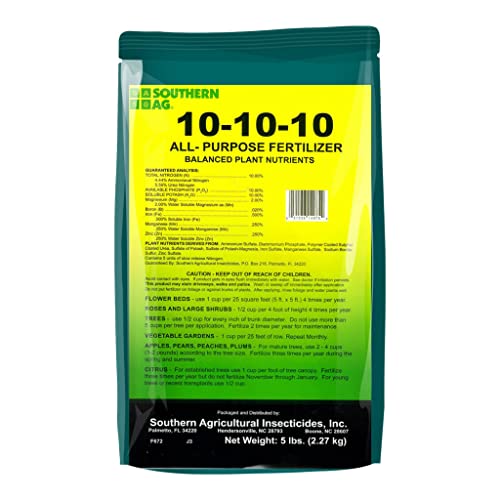

🌿 Balanced 10-10-10 Granular Fertilizer for Outdoor & Indoor Plants: All-purpose plant food with 10% Nitrogen, 10% Phosphorus, and 10% Potassium. Perfect for outdoor vegetable gardens, fruit trees, evergreens, shrubs, lawns, and flowers. Also great for potted plants and indoor gardening. One solution for all your plant needs!

FORMULATED FOR CITRUS AND FRUIT TREES: Use these citrus fertilizer spikes on apple, orange, lemon, lime, and avocado trees; this formula is also great for feeding palm trees
Factors Influencing Fertilizer Amount
- Tree Age: Young trees need less fertilizer than mature ones. Larger trees require more nutrients to support their growth.
- Tree Size: Larger tree canopies demand more nutrients. Measure the tree diameter to assess fertilizer needs.
- Fruit Tree Type: Different types of fruit trees have varying nutrient needs. Citrus trees, for instance, might require more nitrogen than apple trees.
- Season: Fertilization typically occurs in early spring. Adjust amounts based on growth stages, as young trees and flowering trees might need different applications.
- Soil Quality: Well-draining, nutrient-rich soils may require less fertilizer than poor-quality soils. Observe soil conditions to determine needs.
Soil Testing for Nutrient Levels
Soil testing reveals existing nutrient levels, guiding your fertilizer application. Here’s how to proceed:
- Collect Soil Samples: Use a clean tool to gather soil from several spots around the tree’s root zone. Mix the samples in a clean container.
- Test the Soil: Use a home testing kit or send samples to a lab for analysis. Look for pH levels and nutrient content (N, P, K).
- Interpret Results: Review the nutrient data. If nitrogen levels are low, you’ll need to adjust your fertilizer strategy accordingly.
- Make Adjustments: Based on the test outcomes, calculate how much 10-10-10 fertilizer to apply. For example, if nitrogen is deficient, consider using more nitrogen-rich options in conjunction with the 10-10-10 blend.
By considering these factors and conducting soil tests, you can confidently determine the right amount of 10-10-10 fertilizer for your fruit trees.
Recommended Application Rates
Using the right amount of 10-10-10 fertilizer ensures your fruit trees thrive. The application rate varies based on tree type, age, size, and soil quality.
Recommended Products

Let our professionally formulated plant food help your fruit tree grow healthy, strong AND abundantly producing

🌿 Balanced 10-10-10 Granular Fertilizer for Outdoor & Indoor Plants: All-purpose plant food with 10% Nitrogen, 10% Phosphorus, and 10% Potassium. Perfect for outdoor vegetable gardens, fruit trees, evergreens, shrubs, lawns, and flowers. Also great for potted plants and indoor gardening. One solution for all your plant needs!

Let our professionally formulated plant food help your fruit tree grow healthy, strong AND abundantly producing
General Guidelines for Different Fruit Trees
- Apple Trees: Apply 0.5 to 1 pound per tree in early spring.
- Pear Trees: Use 0.5 to 1 pound per tree during the growing season.
- Citrus Trees: Fertilize with 1 to 2 pounds per tree, spaced throughout the season.
- Cherry Trees: Apply 0.5 to 1 pound per tree, mainly in spring and fall.
These amounts support healthy growth and fruit production, but always check specific needs for your tree types.
- Young Trees: Fertilize with 0.25 to 0.5 pounds for trees under three years.
- Mature Trees: Use larger quantities, ranging from 1 to 2 pounds for trees over three years.
- Small Trees: For small canopies, stick to 0.5 pounds.
- Large Canopies: Increase to 1 to 2 pounds for larger trees.
Adjusting the rates based on the specific age and size of your trees ensures they receive the necessary nutrition without over-fertilizing.
Application Methods
Applying 10-10-10 fertilizer correctly maximizes its benefits for your fruit trees. Following effective practices ensures your trees receive the nutrients they require for healthy growth.
Recommended Products

🌿 Balanced 10-10-10 Granular Fertilizer for Outdoor & Indoor Plants: All-purpose plant food with 10% Nitrogen, 10% Phosphorus, and 10% Potassium. Perfect for outdoor vegetable gardens, fruit trees, evergreens, shrubs, lawns, and flowers. Also great for potted plants and indoor gardening. One solution for all your plant needs!

GENERAL PURPOSE: A fertilizer that provides all three major plant nutrients

OPERATION: Adjustable arm support on this seed, salt and fertilizer spreader helps provide maximum comfort
Best Practices for Fertilizer Application
- Calculate Fertilizer Amount: Start by determining the appropriate amount based on your tree’s age and size. For example, if you have a mature citrus tree, you might use 1 to 2 pounds.
- Use a Spreader: Employ a broadcast spreader for even distribution. Spread the fertilizer in a circular pattern around the tree, keeping it at least 6 inches from the trunk to prevent root burn.
- Water After Application: Water the area thoroughly after applying the fertilizer. This step helps dissolve the nutrients and allows them to reach the root zone effectively.
- Apply in Small Doses: For young trees, apply smaller amounts over multiple feedings rather than a large single dose. This technique helps prevent nutrient overload and supports steady growth.
- Observe Tree Health: Monitor your trees for signs of nutrient deficiency or over-fertilization. Yellowing leaves may indicate a nitrogen deficiency, while brown leaf edges could show excess nutrients.
- Early Spring Application: Fertilize in early spring, just before the active growing season begins. This timing supports new leaf growth and fruit set.
- Additional Feeding in Late Summer: Consider a second application in late summer to promote fruit development and enhance overall tree health.
- Adjust for Climate: If you live in a warmer climate, adjust your schedule accordingly. Some regions may benefit from a fall application to support winter resilience.
- Avoid Fertilizing During Dormancy: Do not fertilize trees during their dormant season, typically late fall and winter. Fertilizing during this time can stimulate growth when the tree should focus on conservation.
By following these application methods and practices, you can provide your fruit trees with the nutrients they need to thrive.
Conclusion
Getting the right amount of 10-10-10 fertilizer for your fruit trees can make a world of difference. By understanding your trees’ specific needs and adjusting your application accordingly, you’re setting them up for healthy growth and bountiful fruit production.
Remember to consider factors like tree age and size along with soil quality. Regular soil testing can help you fine-tune your approach. With a little care and attention, you can enjoy the fruits of your labor—literally! Happy gardening!
Frequently Asked Questions
What is 10-10-10 fertilizer, and why is it beneficial for fruit trees?
10-10-10 fertilizer is a balanced mix containing equal parts nitrogen, phosphorus, and potassium. It’s beneficial for fruit trees as it supports healthy growth, enhances fruit quality, and strengthens tree health. This all-purpose fertilizer simplifies the fertilization process, providing essential nutrients needed for optimal development and productivity.
How do I determine the right amount of 10-10-10 fertilizer for my fruit trees?
To determine the right amount, consider the tree’s age, size, type, and soil quality. Generally, young trees need less fertilizer than mature ones. For accurate results, conducting a soil test will help you understand existing nutrient levels and guide your fertilizer application.
How often should I fertilize my fruit trees with 10-10-10?
Fertilization should typically occur in early spring, with a possible second application in late summer. Young trees may require smaller amounts spread over multiple feedings to prevent nutrient overload. Avoid fertilizing during the dormant season to protect tree health.
What are the recommended application rates for common fruit trees?
For apple and pear trees, apply 0.5 to 1 pound per tree. Citrus trees need 1 to 2 pounds, while cherry trees require 0.5 to 1 pound. Young trees under three years should receive 0.25 to 0.5 pounds, adjusting for size and canopy as trees mature.
Can I harm my fruit trees by over-fertilizing with 10-10-10?
Yes, over-fertilizing can negatively affect tree growth and health. Excess nutrients can lead to issues like poor fruit quality and increased vulnerability to diseases. Carefully calculate and adjust your fertilizer application based on the tree’s needs and soil quality to avoid harm.
