

Have you ever wondered how long it takes for a mulberry tree to start producing fruit? If you’re thinking about planting one, this question is crucial. After all, you want to enjoy those sweet, juicy berries as soon as possible.
Growing a mulberry tree can be an exciting journey, but patience is key. Many gardeners find themselves eager to see results, only to realize that it takes a few years before they can harvest their first fruits. In this article, you’ll learn what to expect as your tree matures, including tips to help it thrive. By understanding the timeline and care requirements, you’ll set yourself up for a fruitful future with your mulberry tree.
Key Takeaways
- Timeframe for Fruiting: Mulberry trees typically begin to bear fruit between three to five years after planting, depending on tree variety and environmental conditions.
- Variety Matters: Different types of mulberry trees have varying growth rates: White Mulberry may fruit within three to four years, while Red Mulberry usually takes four to five years.
- Growth Conditions: Optimal growth conditions include well-draining soil, full sun for 6-8 hours daily, consistent watering, and favorable temperatures ranging from 60°F to 85°F.
- Signs of Fruiting: Indications that a mulberry tree is approaching fruiting age include the appearance of flower clusters, healthy leaf development, and the maturity of branches.
- Proper Care: Pruning in late winter or early spring and balanced fertilization in early spring are essential for promoting healthy fruit production and maintaining tree health.
Understanding Mulberry Trees
Mulberry trees are known for their sweet, berry-like fruit, which attracts many gardeners. This section explores the types of mulberry trees and the conditions needed for optimal growth.
Types of Mulberry Trees
Different types of mulberry trees exist, each offering unique characteristics. Here are the main varieties:
- Red Mulberry (Morus rubra): Native to North America, this tree features dark purple to black fruit and tends to grow quite tall.
- White Mulberry (Morus alba): Originally from Asia, this type has lighter, sweet fruit and is often used in silkworm cultivation.
- Black Mulberry (Morus nigra): Known for its rich flavor and darker fruit, this variety thrives in warmer climates.
Choosing the right type depends on your climate and flavor preference. Consider these factors before planting.
Growth Conditions
Mulberry trees thrive under specific growth conditions. Follow these guidelines:
- Soil Type: Use well-draining soil with a pH of 6.0 to 7.0. They tolerate various soils but prefer sandy or loamy options.
- Sunlight: Position your tree in full sun for at least 6 to 8 hours daily to encourage healthy growth and fruit production.
- Watering Needs: Water consistently, especially during dry spells. Avoid overwatering, which can lead to root rot.
- Temperature: They grow well in temperatures ranging from 60°F to 85°F. Some varieties tolerate cold, while others prefer warmer environments.
Caring for your mulberry tree with these conditions in mind enhances its growth and increases the chances of a fruitful harvest.
Factors Influencing Fruit Bearing
Several factors impact how long it takes before a mulberry tree starts producing fruit. Understanding these factors helps you manage your expectations and care routines effectively.
Tree Age and Maturity
Tree age directly affects fruit bearing. Typically, a mulberry tree begins to produce fruit between three to five years after planting. Younger trees focus on establishing roots and foliage before investing energy into fruit production. The type of mulberry tree also plays a role; for instance, White Mulberry often bears fruit sooner than Red or Black Mulberry trees. Patience is essential during this period, as a mature tree can yield a substantial harvest.
Environmental Conditions
Environmental conditions significantly influence fruit bearing. Mulberry trees thrive in well-draining soil with a pH level between 6.0 and 7.0. They require full sunlight for at least six hours daily to produce fruit effectively. Consistent watering, especially during dry spells, supports optimal growth. Temperature extremes can hinder fruit development; mulberries generally prosper in USDA hardiness zones 5-9. Ensuring your tree has the right conditions boosts the chances of a fruitful harvest.
Average Timeframe for Fruiting
Mulberry trees typically take three to five years to produce fruit after being planted. Factors such as tree variety and environmental conditions can influence this timeline. Understanding these elements can help you manage expectations as you await your first harvest.
Varieties and Their Growth Rates
Different mulberry tree varieties have distinct growth rates that affect when they bear fruit.
- Red Mulberry: Generally starts bearing fruit within four to five years.
- White Mulberry: Often produces fruit earlier, typically within three to four years.
- Black Mulberry: Usually takes about four to six years for initial fruiting.
Selecting the right variety based on your patience and preference can ensure a satisfying experience.
Signs of Upcoming Fruiting
Look for specific indicators as your mulberry tree approaches fruiting age:
- Flower Clusters: Small, greenish flowers appear in spring; these are the first signs of potential fruit.
- Leaf Development: Healthy, robust leaf growth signals that the tree is thriving and preparing for fruiting.
- Branch Maturity: Older, sturdier branches often indicate that the tree is ready to produce.
Monitoring these signs keeps you informed about your tree’s progress and readiness for fruitful years ahead.
Care Tips for Healthy Fruiting
To ensure your mulberry tree bears fruit successfully, focus on proper care and maintenance. Follow these tips to promote healthy growth and fruit production.
Recommended Products

4-Hole Side Design: This high-performance tree watering spike makes it easy to deliver water and fertilizer directly to the root zone. The upgraded side-hole design helps improve watering efficiency, while the sharp tip makes it easy to push into hard or compact soil. The 4 side outlets help reduce clogging and distribute water more evenly for deep root watering and feeding.
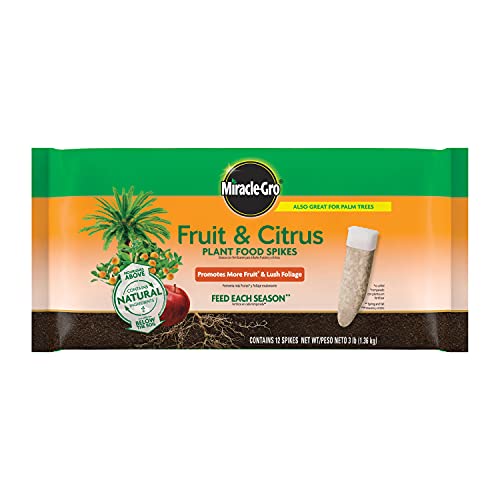
FORMULATED FOR CITRUS AND FRUIT TREES: Use these citrus fertilizer spikes on apple, orange, lemon, lime, and avocado trees; this formula is also great for feeding palm trees

Heat-Treated Serrated Saw Blade: 8" saw blade designed for efficient cutting of branches and tough materials, ensuring sharpness and durability.
Pruning Techniques
Pruning helps shape the tree and encourages stronger growth. Start pruning in late winter or early spring before new growth begins. Remove any dead or damaged branches. Thin out overcrowded areas to increase airflow and sunlight exposure. Focus on creating an open structure to promote fruiting. Regular pruning maintains tree health, boosts fruit quality, and helps manage size.
Fertilization Needs
Mulberry trees benefit from balanced fertilization. In early spring, apply a slow-release fertilizer containing nitrogen, phosphorus, and potassium. For established trees, use about 1 pound of fertilizer per inch of trunk diameter. This promotes healthy foliage and encourages fruiting. Monitor soil nutrient levels with a test kit to adjust your fertilization regimen as needed. Too much nitrogen can delay fruiting, so follow the recommended guidelines.
Conclusion
Growing a mulberry tree is a rewarding journey that requires a bit of patience. You can look forward to enjoying delicious berries within three to five years depending on the variety you choose. As you nurture your tree with the right care and attention you’ll not only enhance its growth but also pave the way for a fruitful harvest.
Keep an eye out for signs of fruiting and remember that each tree type has its unique timeline. With the right conditions and a little love your mulberry tree will soon become a delightful addition to your garden and your table. Enjoy the process and the sweet rewards that come with it!
Frequently Asked Questions
How long does it take for a mulberry tree to bear fruit?
It typically takes three to five years for a mulberry tree to start producing fruit. This timeline can vary depending on the type of mulberry and its growing conditions.
What types of mulberry trees are there?
The main types of mulberry trees are Red Mulberry, White Mulberry, and Black Mulberry. Each variety has unique characteristics, including growth preferences and fruiting timelines.
What conditions are best for growing mulberry trees?
Mulberry trees thrive in well-draining soil, receive at least six hours of sunlight daily, and require consistent watering. They also prefer moderate temperature ranges to grow optimally.
How can I tell if my mulberry tree is about to bear fruit?
Signs of upcoming fruiting include small greenish flowers appearing in spring, robust leaf growth, and mature branches. These indicate that your tree is preparing for fruit production.
When should I prune my mulberry tree?
It is best to prune mulberry trees in late winter or early spring. Pruning helps shape the tree, remove dead branches, and improve sunlight exposure and airflow.
What type of fertilizer should I use for mulberry trees?
A balanced slow-release fertilizer is recommended in early spring to promote healthy growth and fruiting. Avoid excessive nitrogen, as it can delay fruit production.
