

Have you ever wondered how many raspberries a single plant can produce? Picture this: you’re strolling through your garden, admiring the lush greenery, and suddenly, you spot plump red raspberries peeking out from the leaves. You start to ponder just how fruitful each raspberry plant can be.
Key Takeaways
- Raspberry plants produce fruit on second-year canes known as floricanes, so understanding their growth characteristics is essential for managing your raspberry patch effectively.
- The variety of raspberry plant chosen directly impacts the quantity of raspberries harvested per plant, with everbearing varieties offering dual crops each season for increased yield.
- Factors such as climate conditions, soil quality, and cultivation techniques play crucial roles in maximizing raspberry yield per plant.
- On average, a single raspberry plant can yield around 1-2 quarts of berries per growing season, translating to roughly 100-200 individual raspberries; care practices and environmental conditions influence this output.
- Harvest ripe raspberries by gently picking them in the early morning when they easily detach from the plant; store them unwashed in ventilated containers in the refrigerator for extended freshness.
Understanding Raspberries
When it comes to understanding raspberries, there are key aspects you should consider to maximize the productivity of your plants. Let’s delve into the growth characteristics and varieties that play a significant role in determining how many raspberries you can expect from each plant.
Growth Characteristics
Raspberry plants are known for their perennial nature, meaning they return year after year. They typically produce fruit on second-year canes, known as floricanes. Understanding this growth pattern is essential for managing your raspberry patch effectively.
These plants thrive in well-drained soil with adequate sunlight exposure. Proper spacing between plants allows for optimal airflow, reducing the risk of diseases that can affect yield. Regular pruning and maintenance also contribute to healthier plants and higher fruit production.
Varieties and Their Impact
The variety of raspberry plant you choose has a direct impact on the quantity of raspberries you can harvest per plant. Some varieties are known for their high yields, while others may produce larger berries but in smaller quantities.
For example, everbearing raspberries produce two crops each season: one in early summer on the previous year’s canes and another in fall on new canes. This dual-bearing characteristic increases the overall raspberry output compared to single-cropping varieties.
Consider factors such as climate compatibility, flavor preferences, and intended use (fresh eating vs. processing) when selecting raspberry varieties for your garden. By choosing wisely based on these considerations, you can optimize your raspberry yield per plant.
Factors Affecting Raspberry Yield
When it comes to maximizing raspberry yield per plant, several factors play a crucial role in determining the productivity of your raspberry bushes. Understanding these key elements will help you optimize your garden for a bountiful harvest.
Recommended Products

A Natural fertilizer blended especially for acid lovers such as rhododendrons, azaleas, camellias, hydrangeas, evergreens, blueberries, raspberries, strawberries, potatoes and other plants that need a low pH

This fertilizer is blended especially for acid lovers such as rhododendrons, azaleas, camellias, hydrangeas, evergreens, blueberries, raspberries, strawberries, potatoes and other plants that need a low pH

FOR USE ON: For all Acid-loving plants; Use Espoma Organic Soil Acidifier for azaleas, hydrangeas, rhododendrons, blueberries, evergreens, strawberries, camellias, and all plants that thrive in acidic soils
Climate Conditions
The climate in which your raspberry plants grow significantly impacts their yield. Raspberries thrive in temperate climates with cool winters and moderate summers. Consistent sunlight exposure is essential for fruit development, so ensure your plants receive at least 6-8 hours of sunlight daily. Adequate air circulation also helps prevent diseases that can reduce yield.
Soil Quality and Nutrition
The soil quality and nutrition levels are vital for the health and productivity of raspberry plants. Opt for well-draining soil rich in organic matter to promote root growth and nutrient uptake. Conduct soil tests to assess pH levels and adjust them if necessary to ensure optimal conditions for raspberry cultivation. Regularly fertilize your plants with a balanced fertilizer to provide essential nutrients throughout the growing season.
By carefully considering climate conditions and maintaining proper soil quality and nutrition, you can enhance the yield of your raspberry plants, ensuring a plentiful supply of delicious berries for enjoyment or preservation.
Cultivation Techniques
When it comes to cultivating raspberries for optimal yield per plant, certain techniques can significantly impact the quantity and quality of your harvest. Here are essential practices to consider:
Recommended Products

Plant-Friendly Coating & Weather-Ready Durability: Our metal raspberry trellis for climbing plants outdoor features a protective plastic coating. The robust metal core is UV-resistant, rust-proof, and weatherproof, ensuring these tall trellises for raspberries withstand seasons of outdoor use without corrosion

4pack Fiberglass Material Raspberry Cross Stake System with Adjustable Cross-bars, Height Adjustable
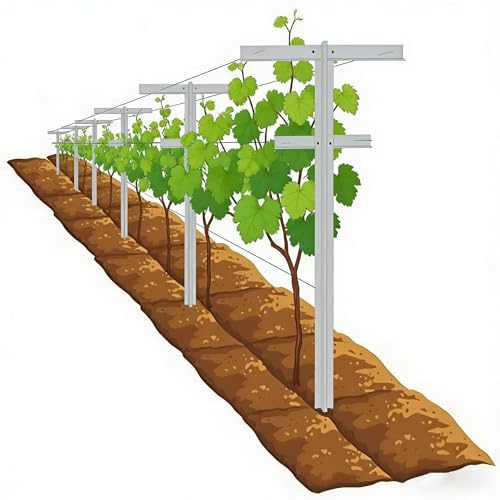
Fiberglass Material Raspberry Cross Stake System with 2 Adjustable Cross-bars
Pruning and Training
Pruning raspberry plants is crucial for maximizing fruit production. By cutting back old canes that have already borne fruit, you encourage the growth of new canes that will bear fruit in the next season. Regular pruning helps maintain plant vigor and ensures better air circulation, reducing the risk of diseases. Training raspberry canes along a trellis or support system not only saves space but also makes it easier to manage and harvest the berries.
Watering and Mulching
Proper watering is essential for raspberry plants, especially during dry spells or when they are fruiting. Aim to keep the soil consistently moist but not waterlogged to promote healthy growth and fruit development. Mulching around raspberry plants with organic materials like straw or wood chips helps retain moisture, suppresses weeds, and regulates soil temperature. Mulch also provides a protective layer that prevents direct contact between fruits and soil, reducing the risk of rot or fungal infections.
By implementing these cultivation techniques, you can enhance the productivity of your raspberry plants and enjoy a bountiful harvest of delicious berries.
Expected Yields
When it comes to raspberry plants, you’re probably wondering how many berries each plant can produce. Let’s dive into the expected yields and how you can maximize fruit production.
Average Berries Per Plant
Raspberry plants are known for their bountiful harvests. On average, a single raspberry plant can yield around 1-2 quarts of berries per growing season. This translates to roughly 100-200 individual raspberries per plant. The exact number can vary based on factors like variety, care practices, and environmental conditions.
Maximizing Fruit Production
To get the most out of your raspberry plants, there are several strategies you can employ:
- Pruning: Regularly prune old canes to encourage new growth and improve berry production.
- Training: Train your raspberry plants along trellises or supports to increase sunlight exposure and airflow, leading to higher fruit yields.
- Watering: Ensure consistent moisture levels in the soil by watering regularly but avoiding waterlogging, as this can affect fruit development.
- Mulching: Use mulch around the base of the plants to suppress weeds, retain moisture, and protect developing fruits from touching the ground.
Harvesting and Storage Tips
Harvesting raspberries at the right time ensures optimal flavor and freshness. Here are some tips to help you make the most of your raspberry harvest:
Best Practices for Harvesting
- Pick Ripe Berries: Raspberries are ready to be harvested when they easily detach from the plant with a gentle tug. They should be plump, brightly colored, and firm.
- Harvest Regularly: Check your raspberry plants every few days during peak season as berries ripen quickly. Harvesting regularly encourages more fruit production.
- Early Morning Harvest: It’s best to pick raspberries early in the morning when temperatures are cooler. This helps preserve their flavor and texture.
- Gently Handle Berries: Treat raspberries delicately to avoid bruising or damaging them. Place harvested berries in shallow containers to prevent crushing under their weight.
- Avoid Overcrowding: Leave space between berries in the container to prevent squashing and allow airflow, which helps maintain freshness.
Storing Raspberries Effectively
Proper storage is crucial to extend the shelf life of your freshly picked raspberries:
- Immediate Refrigeration: As soon as you finish harvesting, refrigerate raspberries promptly to retain their freshness. Store them unwashed in a single layer on a paper towel-lined tray or shallow container.
- Use Ventilated Containers: Opt for containers that allow air circulation like berry baskets or clamshell containers rather than sealing raspberries in airtight bags, which can lead to mold growth.
- Wash Before Use: Wash raspberries just before consuming them by gently rinsing under cold water; pat them dry with a paper towel if needed.
4 .Consume Promptly: Enjoy your ripe raspberries within a few days for the best taste and quality; alternatively, freeze them for longer-term storage by spreading them on a baking sheet before transferring to sealed bags once frozen solid.
Conclusion
You’ve learned about the essential factors influencing raspberry plant productivity and how to optimize yield. By selecting the right variety, ensuring proper soil drainage, maximizing sunlight exposure, spacing plants adequately, and following maintenance practices, you can boost your raspberry harvest. Techniques like pruning, training along trellises, watering efficiently, and using mulch are key for enhancing production per plant. Remember that a single raspberry plant can yield 1-2 quarts of delicious berries per season. Harvest ripe berries regularly and handle them gently to preserve their freshness. Following these tips will help you enjoy a bountiful raspberry harvest year after year.
Frequently Asked Questions
What are the key factors influencing raspberry plant productivity?
Raspberry plant productivity is influenced by factors such as selecting the right variety, well-drained soil, adequate sunlight, proper spacing, and regular maintenance.
How can I enhance raspberry yield per plant?
You can enhance raspberry yield per plant by employing cultivation techniques like pruning, training along trellises, consistent watering, and applying mulch to promote growth.
How many berries can a single raspberry plant produce in a season?
A single raspberry plant has the potential to produce around 1-2 quarts of berries per season under optimal growing conditions.
What are some tips for harvesting and storing raspberries?
Harvest ripe berries regularly, handle delicately to avoid damage, refrigerate immediately after picking, and wash before consuming for maintaining freshness and quality.
