

Have you ever wondered how many fruit trees it takes to create an orchard? If you’re thinking about starting your own fruit-bearing paradise or just curious about the concept, you’re not alone. Many people find themselves asking this very question as they dream of lush trees and bountiful harvests.
Understanding what qualifies as an orchard can help you plan your space effectively. Whether you want a small backyard grove or a larger setup, knowing the right number of trees is key. This article will guide you through the definitions and considerations, making it easier for you to cultivate your own slice of nature.
Key Takeaways
- An orchard typically consists of at least five to ten fruit trees, but can range from a small backyard setup to hundreds of trees based on space and purpose.
- Diverse species, arrangement, and cultivation practices are essential for optimal tree growth and fruit production in any orchard.
- Factors such as the type of fruit trees and available land significantly influence how many trees can be planted, with dwarf varieties allowing for denser planting.
- Regional conditions and agricultural guidelines provide benchmarks for orchard size, with warmer climates supporting larger tree populations.
- Orchards contribute positively to ecosystems by supporting wildlife and improving air quality while also offering economic benefits through reduced grocery costs and potential income from sales.
Definition of an Orchard
An orchard consists of a specific number of fruit trees planted for commercial or personal use. Generally, a minimum of five to ten fruit trees qualifies as an orchard, but larger spaces often contain several dozen or even hundreds. The precise number of trees depends on the intended purpose and space available.
Characteristics of an Orchard
- Variety of Species: An orchard typically features multiple fruit tree species like apple, peach, cherry, and pear. Each species contributes to the diversity and yield of the orchard.
- Arrangement: Trees are often arranged in rows or clusters, maximizing sunlight exposure and air circulation. This spacing helps enhance growth and fruit production.
- Cultivation Practices: An orchard involves specific management techniques, including pruning, fertilizing, and pest control. These practices ensure healthy trees and optimal fruit quality.
- Irrigation Systems: Most orchards implement irrigation to maintain consistent moisture levels, crucial for healthy tree development and fruit production.
- Traditional Orchards: These orchards usually employ older methods, emphasizing biodiversity and sustainable practices. They often feature heirloom varieties and dense planting, encouraging a natural ecosystem.
- Modern Orchards: Modern orchards typically focus on high-density planting and mechanization to maximize yield. They often utilize newer varieties engineered for size and disease resistance, which may involve more intensive care and management.
- Sustainability Practices: Both types can incorporate sustainable practices. Traditional orchards might use organic methods, while modern orchards can implement technology to reduce chemical usage and conserve resources.
The distinction between traditional and modern orchards reflects various growing practices aimed at meeting diverse agricultural goals. Whether for small-scale gardens or large commercial operations, understanding these definitions and characteristics aids in effective orchard planning.
Factors Influencing Orchard Size
Several factors influence how many fruit trees you might include in your orchard. These elements help determine the ideal size for your needs and goals.
Recommended Products

Product Quantity: 180+ premium bonsai fruit seeds across 5 varieties; Individual packs contain 40+ apple, 40+ lemon, 40+ orange, 20+ blueberry, and 40+ cherry seeds; Perfect for starting a diverse miniature orchard

4 kinds of the most popular fruits, individually packaged, 50pcs Lemon seeds 50pcs Cherry seeds 50pcs Orange seeds 50pcs Apple seeds Fresh seeds, all fruit seeds are packed in tear and moisture resistant zipper sealed bags for your long term storage.
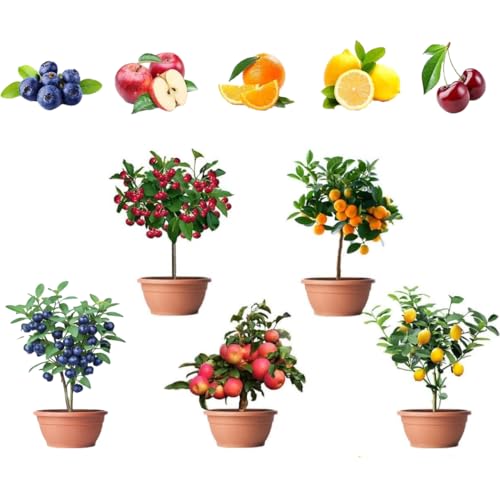
Variety Pack of 5 Fruits: Includes 40 Lemon seeds, 40 Orange seeds, 40 Apple seeds, 20 Cherry seeds, and 20 Blueberry seeds for a colorful and diverse home garden
Types of Fruit Trees
Different fruit trees require varied spacing and care. Dwarf varieties need less space and can be planted closer together, enabling you to fit more trees in a limited area. Standard-sized trees need more room to grow, influencing how many you can plant. For example, you might fit 20 dwarf apple trees in a small plot, whereas only 10 standard apple trees would thrive there. Selecting the right type of tree aligns with your orchard’s size and productivity goals.
Land Availability
Available land plays a crucial role in designing your orchard. If you have a small backyard, you might start with five to ten trees, which suffices for personal use. For larger spaces, consider scaling up to a few dozen trees for more significant production. If your land allows, expanding the orchard to include hundreds of trees enhances commercial potential. Assessing your land’s layout, sunlight exposure, and soil quality will guide your decisions, leading to a successful orchard.
Common Standards for Orchard Size
Determining the size of an orchard relies on various factors, including regional differences and agricultural guidelines.
Recommended Products


🥜 Produces Delicious Homegrown Pecans Grow your own fresh, flavorful pecans right at home—perfect for baking, snacking, and cooking.

Regional Variations
Regional standards for orchard size vary significantly based on climate, soil conditions, and local agricultural practices. In warmer climates, you might find orchards with hundreds of trees per acre due to favorable growing conditions. For example, commercial citrus orchards may exceed 200 trees per acre in Florida. Conversely, in cooler areas, orchards may contain fewer trees to ensure adequate spacing for each tree’s growth and air circulation, often ranging from 50 to 100 trees per acre. Understanding your local growing conditions is essential for determining the appropriate orchard size.
Agricultural Guidelines
Agricultural guidelines often provide benchmarks for orchard size based on fruit types and intended use. For smaller, backyard orchards, starting with five to ten trees allows for manageable care while providing a variety of fruits. Larger orchards aimed at commercial production typically include 50 to 100 trees or more, depending on the crop yield. Many agricultural extension services recommend spacing standards that vary: for example, standard apple trees might need 20 feet apart, while dwarf varieties can be spaced as close as 8 feet. Following these guidelines ensures optimal growth and productivity for your fruit trees.
Benefits of Maintaining an Orchard
Orchards offer various benefits that enhance both ecological systems and personal wellbeing. Understanding these advantages helps you appreciate the value of maintaining your fruit trees.
Ecosystem Contributions
Orchards play a critical role in local ecosystems. They provide habitats for wildlife, including beneficial insects, birds, and small mammals. These organisms contribute to pollination, pest control, and soil health. For instance, planting native fruit trees can attract local pollinators like bees and butterflies, promoting biodiversity. Additionally, orchards improve air quality by absorbing carbon dioxide and releasing oxygen, contributing positively to the environment.
Economic Advantages
Maintaining an orchard can lead to economic benefits at various levels. For individuals, having your own fruit trees reduces grocery costs by providing fresh produce. If you have a commercial orchard, the potential for profit increases significantly. Selling fruit directly to local markets or through community-supported agriculture (CSA) can generate a steady income. According to USDA reports, an acre of fruit trees can yield thousands of dollars annually, depending on the fruit type and market demand. Furthermore, orchards can enhance property value, making them a worthwhile investment.
Conclusion
Starting your own orchard can be a rewarding adventure whether you have a small backyard or a larger plot of land. Remember that the number of trees you choose to plant depends on your goals and available space. Even a few trees can create a lovely fruit-bearing area while larger orchards can provide a bounty of delicious produce.
As you plan your orchard think about the type of trees you want and how they’ll thrive in your specific environment. With a little care and attention you’ll not only enjoy fresh fruits but also contribute positively to your local ecosystem. So grab your gardening gloves and get started on your orchard journey. Happy planting!
Frequently Asked Questions
How many fruit trees make an orchard?
An orchard typically starts with a minimum of five to ten fruit trees. However, depending on the intended purpose and available space, it can contain dozens or even hundreds of trees.
What are the characteristics of fruit orchards?
Fruit orchards vary in tree species and arrangement. Key characteristics include cultivation practices like pruning and pest control, as well as irrigation systems to maintain moisture levels for healthy growth.
What is the difference between traditional and modern orchards?
Traditional orchards prioritize biodiversity and sustainable practices, often using heirloom varieties. Modern orchards focus on high-density planting and mechanization to maximize yield, utilizing newer, disease-resistant varieties.
What factors influence the size of an orchard?
Orchard size is influenced by tree spacing requirements, land availability, and tree varieties. Dwarf trees, for example, need less space, allowing for more trees in smaller areas compared to standard-sized trees.
What are common standards for orchard size?
Common standards suggest that backyard orchards start with five to ten trees, while larger commercial orchards usually have 50 to 100 trees or more, depending on regional climate and agricultural guidelines.
What are the benefits of maintaining an orchard?
Maintaining an orchard benefits the ecosystem by providing habitats for wildlife, reducing carbon dioxide, and enhancing air quality. Economically, it can lower grocery costs and boost property value for homeowners.
