

What Is an Anvil Pruner?
An anvil pruner is a type of garden tool designed for cutting thick and tough branches. It consists of a sharp blade that closes against a flat edge, resembling a knife cutting on a chopping board.
- Principle: An anvil pruner works by concentrating the cutting force on one point to sever the branch cleanly and efficiently.
- Usage: Use an anvil pruner for cutting deadwood, thick branches, or stems that need significant force to be severed.
- Maintenance: Keep the blade sharp and clean for optimal performance.
Remember, always wear protective gear to prevent any accidents while using an anvil pruner.
Benefits of Using an Anvil Pruner
- Efficiency:
- Cuts Through Tough Branches Easily.
- Saves Time and Effort in maintaining your garden.
- Precision:
- Provides Accurate Cuts, especially on thicker branches.
- Reduces Damage to surrounding plant areas.
- Versatility:
- Suitable for Deadwood Removal, thick branches, and more.
- Adaptable to various pruning needs in your garden.
- Durable:
- Sturdy Construction ensures long-lasting use.
- Minimal Maintenance required for reliable performance.
- Safety:
- Less Strain on your hands and wrists.
- Helps Prevent Accidents with its efficient cutting action.
How to Properly Use an Anvil Pruner
Using an anvil pruner correctly is essential for effective pruning and ensuring safety.
Here are some simple steps to follow:
- Inspect the Anvil Pruner: Before every use, check for any damage or loose parts.
- Select the Right Branch: Choose a branch that fits comfortably within the pruner jaws.
- Position the Pruner: Place the blade on the branch to be cut, ensuring a clean contact point.
- Apply Pressure: Squeeze the handles firmly to cut through the branch smoothly.
- Avoid Overexertion: Don’t force the pruner through a branch that’s too thick. Switch to loppers or a saw for larger branches.
- Clean After Each Use: Remove sap and debris to keep the pruner sharp and prevent rust.
Remember, with the right technique, an anvil pruner can make your pruning tasks easier and more efficient.
Recommended Products

What Makes VT-X850 Stand Out for UK Gardeners? ✅ 𝐏𝐚𝐭𝐞𝐧𝐭𝐞𝐝 𝐒𝐭𝐞𝐩𝐥𝐞𝐬𝐬 𝐇𝐚𝐧𝐝𝐥𝐞 (Fits All Hand Sizes – No More Aching Wrists, Even in Damp Gardens!) ✅ 𝐒𝐞𝐚𝐥𝐞𝐝 𝐑𝐮𝐬𝐭-𝐏𝐫𝐨𝐨𝐟 𝐒𝐩𝐫𝐢𝐧𝐠 (Built to Brave Damp Weather All Year Round) ✅ 𝐀𝐦𝐛𝐢𝐝𝐞𝐱𝐭𝐫𝐨𝐮𝐬 𝐒𝐚𝐟𝐞𝐭𝐲 𝐋𝐨𝐜𝐤 – 𝐆𝐥𝐨𝐯𝐞𝐝-𝐇𝐚𝐧𝐝 𝐅𝐫𝐢𝐞𝐧𝐝𝐥𝐲 (Left/Right Users, Rain or Shine) ✅ 𝐏𝐨𝐰𝐞𝐫𝐟𝐮𝐥 𝐀𝐧𝐯𝐢𝐥 𝐂𝐮𝐭𝐭𝐢𝐧𝐠 𝐒𝐲𝐬𝐭𝐞𝐦 — Built for Dry Branches & Dead Stems

High-Quality Carbon Steel Blade: Crafted from durable carbon steel, offering sharpness and strength for long-lasting use.

Ultra Sharp Blades: SK-5 steel Blades with black coating is ultra-strong, rust and corrosion resistant and sharp enough for most pruning projects, make pruning much more easier(Cutting capacity:0.75in/19mm).Anvil Groove design is better suited for dead and dried-out plants, stubborn tree branches.
Maintenance Tips for Anvil Pruners
Taking care of your anvil pruner is essential to ensure its longevity and optimal performance. Here are some practical maintenance tips to keep your tool in top shape:
- Inspect Before Each Use: Before tackling any pruning task, check your anvil pruner for any signs of damage, such as dull blades or loose parts. Ensure everything is in proper working order before starting.
- Clean After Each Use: After completing your pruning work, wipe down the blades of the pruner with a damp cloth to remove any sap or debris. This helps prevent rust and keeps the blades sharp for the next use.
- Keep Blades Sharp: Regularly sharpen the blades of your anvil pruner to maintain clean and precise cuts. Dull blades can cause crushing rather than clean cuts, leading to potential damage to your plants.
- Oil Moving Parts: Apply a few drops of oil to the moving parts of the pruner, such as the pivot point, to keep them lubricated. This helps maintain smooth operation and prolongs the life of your tool.
- Store Properly: When not in use, make sure to store your anvil pruner in a dry place to prevent rusting. Consider using a blade cover or sheath for added protection.
By following these maintenance tips, you can ensure that your anvil pruner remains a reliable tool for all your pruning needs. Keeping your pruner in excellent condition not only prolongs its lifespan but also ensures safe and effective pruning every time.
Recommended Products

VERSATILE – The most versatile sharpener in the market to sharpen and hone both single and double beveled blades including knife, mower blade, pruner, loppers, hedge shears, axe, machete, hatchet, scissors, edged tool, etc.

QUICK & EFFECTIVE SHARPENING ANYWHERE : Our is crafted from high-quality steel, delivering a fine, razor-sharp edge in seconds. It's perfectly designed for quick touch-ups on garden tools like pruners, shears, and knives, ensuring your blades are always ready for a clean cut, whether in the garden or at the campsite
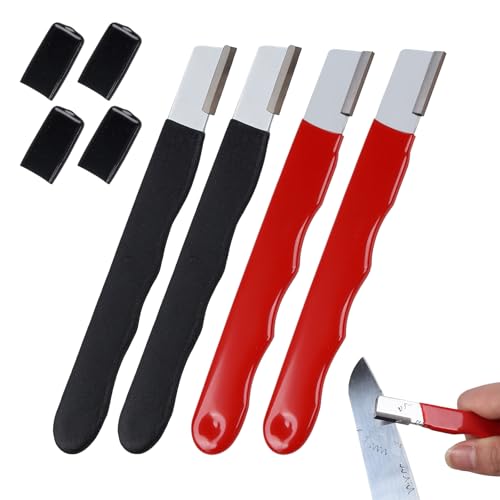
QUICK & EFFECTIVE SHARPENING ANYWHERE : Our is crafted from high-quality steel, delivering a fine, razor-sharp edge in seconds. It's perfectly designed for quick touch-ups on garden tools like pruners, shears, and knives, ensuring your blades are always ready for a clean cut, whether in the garden or at the campsite
Conclusion
That’s it! An anvil pruner is your go-to tool for tackling those tough branches in your garden. With its precision cutting and versatility for various pruning needs, it’s a must-have for any gardener. Remember, a little maintenance goes a long way in keeping your anvil pruner in top shape. By following these simple tips, you’ll ensure smooth and safe pruning sessions every time. Happy gardening!
Frequently Asked Questions
What is an anvil pruner?
An anvil pruner is a specialized garden tool designed for cutting thick branches efficiently with precise cuts while minimizing damage to surrounding plants.
How versatile is an anvil pruner?
An anvil pruner is versatile for deadwood removal and various pruning needs due to its sturdy construction and safety features.
Why is maintenance crucial for an anvil pruner?
Proper maintenance is essential for the longevity and performance of an anvil pruner, ensuring safe and effective pruning every time.
What are some maintenance tips for an anvil pruner?
Maintenance tips include inspecting before each use, cleaning after each use, keeping blades sharp, oiling moving parts, and storing properly.
