

Ever wondered how long it takes for banana trees to bear fruit? If you’ve planted one in your garden or dream of having a tropical oasis, you’re not alone. Many people are excited to see those beautiful bananas hanging from their trees, but the wait can feel endless.
Key Takeaways
- Timeframe for Fruiting: Banana trees typically produce fruit within 9 to 18 months from planting, influenced by the variety and growing conditions.
- Growth Stages: Key phases include planting, establishment, vegetative growth, flowering, and fruit formation, each requiring specific care.
- Optimal Conditions: Banana trees thrive in warm, humid climates with well-draining, nutrient-rich soil and at least 10-12 hours of sunlight daily.
- Varietal Differences: Varieties like Cavendish and Dwarf Bananas bear fruit sooner, while Red Bananas can take longer, highlighting the importance of choosing the right species for your timeframe.
- Cultivation Techniques: Effective practices such as regular watering, balanced fertilization, and appropriate spacing can significantly enhance growth and fruit production.
- Pest and Frost Management: Monitoring for pests and protecting young plants from frost are essential for a healthy banana crop.
Overview Of Banana Trees
Banana trees, despite their name, aren’t actually trees but are large herbaceous plants. They belong to the Musaceae family, which includes several species of banana and plantain. These plants thrive in tropical and subtropical climates, requiring warmth and moisture to flourish.
Growth Stages
- Planting: When you plant a banana tree, choose a spot that receives full sunlight. Ensure the soil drains well, as bananas dislike standing water.
- Establishment: In the first few months, focus on nurturing the young plant. Water it regularly and maintain nutrient-rich soil to support initial growth.
- Vegetative Growth: After 6-10 months, you’ll notice the appearance of large, green leaves as a sign of growth. This period can last anywhere from 9 to 15 months.
Flowering and Fruit Development
- Flowering Initiation: Typically, after about 9-12 months of growth, the banana tree produces a flower cluster known as a “banana heart.”
- Pollination: Some banana varieties require pollination to develop fruit, while others are parthenocarpic, meaning they will produce fruit without it.
- Fruit Formation: Once pollination occurs, the bananas begin to develop. This fruiting phase can take an additional 2-3 months.
Timeframe for Fruit Production
Banana trees usually take about 9 to 18 months from planting to fruiting, depending on the variety and growing conditions. For example, Cavendish bananas typically mature faster than Red bananas.
- Watering: Keep the soil consistently moist but not waterlogged.
- Fertilization: Use balanced fertilizers every couple of months to promote healthy growth and fruit production.
- Protection: Watch for pests and diseases, which can affect growth and yield. Regular inspections can prevent larger issues.
By understanding these stages and tips, you can cultivate banana trees more effectively, leading to fruitful harvests in your garden.
Factors Affecting Fruit Production
Several factors influence when banana trees produce fruit. By understanding these elements, you can create the ideal environment for successful growth.
Recommended Products

Made for Banana Trees – Specially formulated banana fertilizer designed to support the nutrient needs of banana plants.

🌿 Balanced 10-10-10 Granular Fertilizer for Outdoor & Indoor Plants: All-purpose plant food with 10% Nitrogen, 10% Phosphorus, and 10% Potassium. Perfect for outdoor vegetable gardens, fruit trees, evergreens, shrubs, lawns, and flowers. Also great for potted plants and indoor gardening. One solution for all your plant needs!

Climate Requirements
Banana trees thrive in warm, humid climates. Temperatures should remain between 75°F and 95°F (24°C to 35°C). They need protection from frost, as cold weather can damage the plants. If your area experiences frost, consider planting bananas in a greenhouse or selecting a frost-resistant variety. Adequate sunlight is key; aim for at least 10 to 12 hours of direct sunlight daily to promote healthy growth and fruiting.
Soil Conditions
Well-draining, nutrient-rich soil is critical. Sandy loam or loamy soils, with a pH between 5.5 and 7.0, provide the best conditions. High organic matter content, such as compost, enhances soil fertility. Before planting, test your soil for nutrient levels. If deficiencies exist, amend the soil with fertilizers or organic matter to improve its quality. Proper drainage prevents root rot, ensuring robust growth.
Watering and Fertilization
Consistent watering supports healthy fruit production. Banana trees require moist soil but not waterlogged conditions. Water them deeply once a week, adjusting frequency based on rainfall. During dry spells, increase waterings to twice weekly.
Fertilization plays a vital role too. Use a balanced fertilizer, such as 8-10-8 or 10-10-10, every couple of months during the growing season. Incorporating slow-release fertilizers or organic compost also boosts nutrient availability. Regularly check for signs of nutrient deficiencies, like yellowing leaves or stunted growth, and adjust your fertilization routine accordingly.
Timeframe For Banana Trees To Bear Fruit
Banana trees typically produce fruit within a specific timeframe after planting. Understanding this timeline helps set expectations for successful gardening.
Recommended Products

🌱 Premium Quality: Gardenera's Banana Tree Potting Mix is crafted with the highest quality ingredients to ensure optimal growth and nourishment for your banana trees.

Growing banana plants at home promotes sustainability and self-sufficiency. Customers can reduce their reliance on store-bought bananas, which often come from far distances, and enjoy the satisfaction of harvesting their own organic fruit.
General Timeline
Most banana trees bear fruit between 9 to 18 months after planting. The exact duration depends on the tree variety and growing conditions. After planting, a vegetative phase lasts around 6 to 12 months. During this period, the focus is on establishing strong roots and leaves. Once the plant is mature, flowering occurs, followed by fruit development. The entire process can take up to 2 years from planting to harvesting ripe bananas.
Variations By Species
Different species of banana trees exhibit unique timelines for fruit production.
- Cavendish Bananas: Generally, these yield fruit in about 12 to 15 months.
- Dwarf Varieties: Smaller varieties, like Dwarf Cavendish, may produce fruit in as little as 9 months.
- Red Bananas: These take longer, often requiring 16 to 18 months for fruiting.
- Ice Cream Bananas: Known for their sweetness, these varieties typically bear fruit within 12 to 14 months.
Understanding these variations aids in selecting the right species for your garden based on your timeline preferences.
Cultivation Tips For Faster Fruit Production
Banana trees thrive with the right techniques and maintenance. Here are key strategies to boost your banana tree’s fruit production timeline.
Recommended Products

PREMIUM FUEL LIQUID FERTILIZER: Wellspring Gardens Banana Fuel Liquid Fertilizer Concentrate provides a quality nutrient blend with minor elements that could grow your plants. Its 3-1-6 formula ratio is the ideal fertilizer ration according to University of Florida which is what our product is made of.

Package contains 4 Pounds organic fruit and citrus fertilizer grains and is produced to avoid wasteful runoff, mess, hazards and smells
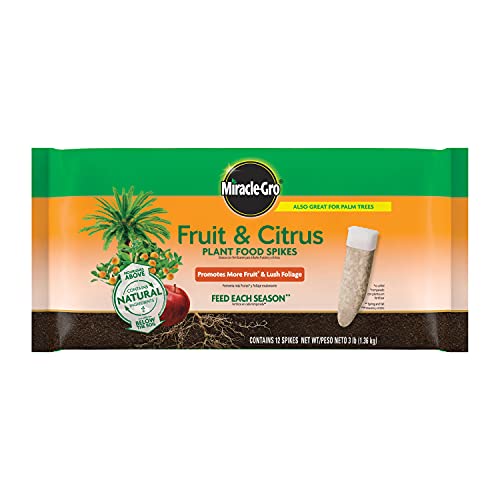
FORMULATED FOR CITRUS AND FRUIT TREES: Use these citrus fertilizer spikes on apple, orange, lemon, lime, and avocado trees; this formula is also great for feeding palm trees
Optimal Planting Techniques
- Choose the Right Location: Select a spot that receives full sun for at least six hours daily. Good sunlight enhances growth and fruiting.
- Prepare the Soil: Test the soil for pH levels, aiming for a range of 5.5 to 7.0. Amend with compost or organic matter to improve drainage and nutrients.
- Plant at the Right Depth: Dig a hole twice the width of the root ball but not deeper than the root collar. Proper depth encourages strong root establishment.
- Space Appropriately: Provide 10 to 15 feet of space between each tree. Adequate spacing promotes air circulation and minimizes disease risk.
- Mulch for Moisture: Apply a layer of organic mulch around the base of the tree. Mulch retains moisture and suppresses weeds.
- Water Regularly: Water your banana trees deeply once a week. Aim for about 1 to 1.5 inches of water to keep the soil consistently moist.
- Fertilize Effectively: Use a balanced fertilizer every six to eight weeks. Look for products with equal parts nitrogen, phosphorous, and potassium to support growth.
- Prune Wisely: Remove dead or damaged leaves to prevent disease. Focus on pruning any suckers, keeping one or two strong ones for healthy growth.
- Control Pests: Monitor for common pests like aphids and spider mites. Use insecticidal soap or neem oil for effective organic control.
- Protect from Frost: If temperatures drop below 50°F (10°C), cover young plants with blankets or sheets to prevent frost damage.
Implementing these techniques ensures your banana trees grow strong and productive, leading to faster fruit production.
Conclusion
Growing banana trees can be a rewarding journey filled with anticipation. By understanding the timeline for fruit production and the factors that influence it, you can set yourself up for success.
With the right care and attention your banana trees can thrive and produce delicious fruit. Remember to choose the right variety for your climate and be patient as you nurture your plants.
Before you know it you’ll be enjoying the sweet rewards of your hard work. Happy gardening and may your banana trees flourish!
Frequently Asked Questions
How long does it take for banana trees to produce bananas?
Banana trees typically take about 9 to 18 months to produce bananas, depending on the variety. For instance, Cavendish bananas usually bear fruit in 12 to 15 months, while dwarf varieties like Dwarf Cavendish can produce in as little as 9 months.
What conditions do banana trees need to thrive?
Banana trees thrive in warm, humid climates with temperatures between 75°F and 95°F (24°C to 35°C). They also require well-draining, nutrient-rich soil and protection from frost to grow successfully.
How can I speed up banana fruit production?
To speed up fruit production, choose a sunny location, ensure proper soil preparation, and maintain deep watering once a week. Regular fertilization every six to eight weeks and wise pruning also promote healthy growth.
What type of soil do banana trees prefer?
Banana trees prefer well-draining, nutrient-rich soil with a balanced pH. It’s essential to test and amend the soil before planting to foster optimal growth conditions.
How often should I water my banana trees?
It’s recommended to water banana trees deeply once a week. Consistent moisture is key to helping them establish strong roots and produce fruit more efficiently.
Are there any pests that affect banana trees?
Yes, banana trees can be susceptible to pests like aphids, spider mites, and nematodes. Regular monitoring and implementing pest control measures are crucial to protect your plants.
What are the stages of growth for banana trees?
Banana trees go through several growth stages: planting, establishment, and vegetative growth (6 to 12 months). This is followed by flowering and fruit development, which typically occurs within 9 to 18 months after planting.
