

Ever wondered how long it takes to grow your own sweet, juicy honeydew melons in your backyard? Picture this: you’re strolling through a vibrant garden, the sun warming your skin, and you spot plump honeydew melons peeking out from lush vines. The thought of harvesting these delectable fruits is not only exciting but also rewarding.
Key Takeaways
- Climate, water, sunlight, and soil quality influence the duration of honeydew growth.
- Stages of honeydew growth include seed germination, vine growth, flowering, fruit formation, ripening.
- Plant honeydew seeds in late spring or early summer for optimal growth.
- Maintain proper watering schedule, soil moisture, fertilization, and pest control during growth stages.
- Harvest ripe honeydew based on color change to yellow/whitish hue, texture, aroma near stem end.
Understanding the Growing Cycle of Honeydew
Growing honeydew melons in your backyard can be a rewarding experience. Let’s delve into the factors that influence how long it takes for honeydew to grow and the stages of its development.
Factors Affecting Growth Duration
- Climate: The duration for honeydew to grow largely depends on the climate. Warmer temperatures accelerate growth, while cooler climates may slow down the process.
- Water and Sunlight: Adequate water supply and sunlight are crucial for healthy honeydew growth. Insufficient water or shade can hinder the plant’s development.
- Soil Quality: Rich, well-draining soil promotes optimal growth conditions for honeydew plants.
- Seed Germination: The first stage involves planting honeydew seeds in nutrient-rich soil and ensuring they receive sufficient moisture and warmth to germinate.
- Vine Growth: As the seedlings sprout, they develop into sprawling vines that require space to expand.
- Flowering: Honeydew plants produce delicate flowers that eventually transform into fruit-bearing structures.
- Fruit Formation: After successful pollination, small melons start forming on the vines, gradually growing larger over time.
- Ripening: Finally, as the melons mature, they change color from green to yellow or orange (depending on the variety) and develop a sweet aroma—indicating they are ready for harvest.
Preparing to Plant Honeydew
When it comes to growing honeydew melons successfully, proper preparation is key. Here are essential steps to take before planting your honeydew seeds:
Recommended Products

NUTRIENT-RICH, NATURAL, AND ORGANIC SOIL: Grow a bountiful garden in your home with the Back to the Roots All-Purpose Natural and Organic Peat-Free 3-in-1 Seed Starting Mix, packed with the nutrients needed for your plants, flowers, and vegetables to thrive

Miracle-Gro Indoor Potting Mix for Seed Starting grows stronger roots for seeding success (vs unfed when used as directed)

CONTAINS: This organic Seed Stating soil mix is a rich blend of sphagnum peat moss & perlite with yucca extract and lime to ensure correct pH.
Choosing the Right Time to Plant
To maximize the growth and yield of your honeydew melons, it’s crucial to plant them at the right time. Ideally, you should plant your honeydew seeds in late spring or early summer when the soil has warmed up to around 70°F (21°C). This timing allows the plants to establish themselves before facing cooler temperatures in the fall.
Soil Requirements and Preparation
Honeydews thrive in well-draining soil with a pH level between 6.0 and 6.5. Before planting, ensure that the soil is rich in organic matter by incorporating compost or aged manure into it. Additionally, make sure the soil temperature is above 60°F (15°C) for optimal seed germination.
By choosing the appropriate planting time and preparing nutrient-rich soil, you set your honeydew plants up for success from the very beginning.
Maintenance During Growth
When it comes to growing honeydew, maintaining the proper care throughout its growth stages is crucial. Here are some essential aspects to focus on:
Recommended Products
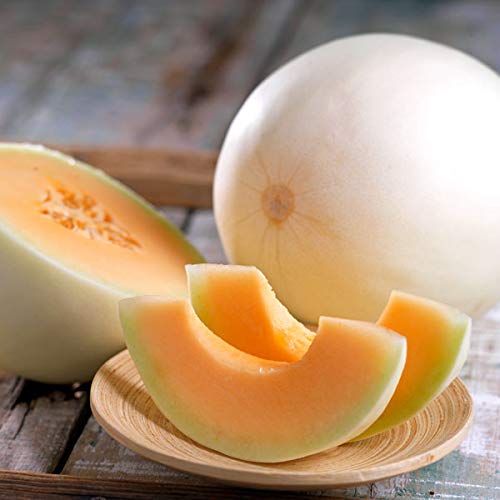

TRUSTED VARIETY - Popular honeydew seeds used by gardeners for years. Yellow/Tan rind at maturity with a beautiful green colored flesh.

Watering and Nutrient Needs
- Watering Schedule: Ensure your honeydew plants receive consistent watering, especially during hot and dry periods. Aim for about 1-2 inches of water per week, either through rainfall or manual watering.
- Soil Moisture: Check the soil moisture regularly by inserting your finger into the soil up to a few inches deep. Water when the topsoil feels dry to the touch.
- Fertilization: Provide balanced fertilization to support healthy growth. Consider using a fertilizer with higher potassium content to promote fruit development.
- Mulching: Mulch around your honeydew plants to help retain soil moisture, regulate temperature, and prevent weed growth.
- Pest Control: Keep an eye out for common pests like aphids, cucumber beetles, and spider mites that can damage your honeydew plants. Use organic pest control methods or insecticidal soap as needed.
- Disease Prevention: Prevent fungal diseases by ensuring good air circulation around the plants, avoiding overhead watering, and promptly removing any diseased plant parts.
- Companion Planting: Consider planting companion herbs like basil or flowers such as marigolds near your honeydew plants to deter pests naturally.
Harvesting Your Honeydew
When it comes to harvesting your honeydew melons, there are key signs of maturity you should look for and specific techniques to ensure a successful harvest.
Recommended Products
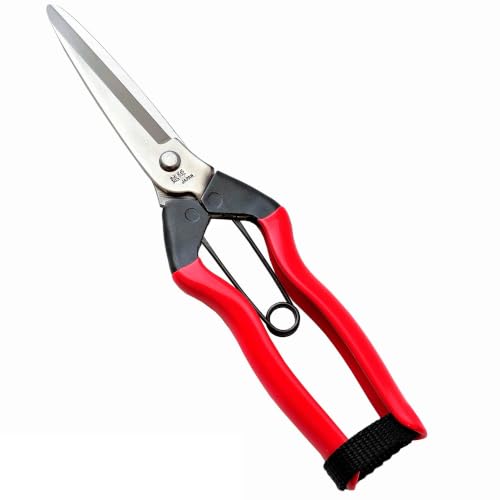
[JAPANESE HARVEST SCISSORS] Perfect gardening scissors for harvesting fruits and vegetables, trimming garlic and onion stems, and cutting roots. The rounded tips prevent accidental damage to fruits, allowing you to harvest cleanly without bruising or cutting the skin.
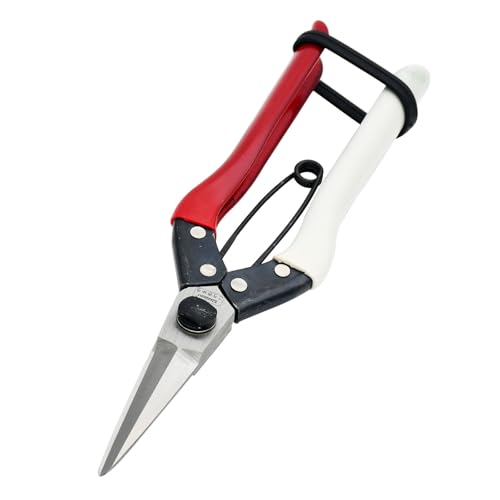
【Double-edge Blade 両刃芽切】The gardening shears are double-edge cutting design; very fine tip; easy operate in dense plant area; make working efficiency and accuracy

It is ideal for harvesting, these scissors can be used to cut flowers, for DIY jobs
Signs of Maturity
To determine if your honeydew melons are ready for harvest, here are some indicators of maturity:
- Color: The skin color changes from green to a creamy yellow or whitish hue.
- Texture: The rind becomes slightly waxy and yields slightly when pressed.
- Smell: A sweet aroma develops near the stem end of the fruit.
- Sound: When thumped, a ripe honeydew produces a deep, resonant sound.
Harvesting Techniques
Follow these steps for optimal harvesting:
- Timing: Wait until the honeydew melon is fully mature based on the signs mentioned earlier.
- Tools: Use sharp gardening shears or a knife to cut the fruit from the vine without damaging it.
- Cutting Technique: Cut the stem about an inch above where it connects to the fruit.
- Handling: Handle harvested honeydews carefully to prevent bruising or damage.
- Storage: Store ripe honeydews at room temperature or in the refrigerator depending on your preference.
Conclusion
Growing honeydew melons is a rewarding journey filled with anticipation and satisfaction. Understanding the various growth stages, from seed to harvest, allows you to appreciate the process and nurture your plants effectively. By focusing on essential factors like climate, water, sunlight, and soil quality, you can support healthy honeydew growth and maximize your chances of a bountiful harvest. Remember to prepare your planting area thoughtfully and provide the necessary care throughout the growth cycle. Pay attention to signs of maturity when harvesting your melons to enjoy their sweet flavors at peak ripeness. With dedication and proper maintenance, you’ll soon be savoring homegrown honeydew melons that are not only delicious but also a testament to your gardening skills. Happy growing!
Frequently Asked Questions
Q: When is the best time to plant honeydew seeds?
A: The ideal time to plant honeydew seeds is in late spring or early summer when the soil has warmed up for optimal germination.
Q: What factors influence the growth of honeydew melons?
A: Climate, water, sunlight, and soil quality play crucial roles in determining the success and duration of honeydew growth.
Q: How can I prepare my soil for planting honeydew seeds?
A: Ensure well-draining soil with a pH level between 6.0 and 6.5 by enriching it with organic matter like compost or aged manure.
Q: What maintenance tasks are essential during honeydew growth?
A: Focus on watering, providing necessary nutrients, controlling pests, preventing diseases, and practicing companion planting for healthy plants.
Q: How do I know when my honeydew melons are ready for harvest?
A: Look for changes in color, texture, smell, and sound as key indicators of maturity before harvesting your sweet and aromatic melons.
