

Have you ever wondered how long it takes to grow your own nectarine tree? Picture this: you’re dreaming of juicy, sun-ripened nectarines straight from your backyard. But how long until you can enjoy the fruits of your labor? In this article, we’ll explore the timeline for growing a nectarine tree, from planting to harvest.
Imagine the satisfaction of plucking a ripe nectarine from a tree you nurtured from a tiny sapling. With the right knowledge and care, you can turn this dream into a reality sooner than you might think. This article will guide you through the process, so you can savor the sweetness of homegrown nectarines in no time.
Key Takeaways
- Climate, soil quality, pruning, watering, pest management, and pollination are crucial factors influencing the growth of nectarine trees.
- Understanding the growth stages of nectarine trees, from germination to ripening, is essential for successful cultivation.
- Care and maintenance tips include proper pruning, adequate watering, fertilization, integrated pest management, pollination considerations, and seasonal care practices.
- Opting for nectarine tree varieties with faster growth rates like “May Grand” and “Sunraycer” can lead to earlier fruit production.
Factors Affecting the Growth of Nectarine Trees
Understanding the factors that influence the growth of your nectarine trees is crucial to ensure they thrive and bear fruit. Here are some key aspects to consider:
Recommended Products

★ 1. What you get: Professional convenient grafting tool set including a dual-use grafting pruner tool contain 2 extra replaceable blades, a wrench and a screwdriver, along with 36pcs wide rubber bands, 150 thick rubber bands and 1 grafting tape, packed in a black wallet to meet all your needs

✂Multifunctional -2 in 1 Garden Grafting Tools-Professional grafting set allows you to pruning and grafting at the same time, saving more time and effort than traditional grafting methods, easy to use and more efficient. It allows you to trim away excess leaves and twigs and prepare the plants to be grafted. At the same time, you can make a precise cut into the grafting stock with the special grafting blade.

2-in-1 Saw & Pruning Scissors Cutting System: This manual tree pruner combines a durable saw blade for thicker branches and pruning scissors for smaller branches, allowing you to handle different trimming tasks with one versatile tool. Reduce tool switching and improve daily tree maintenance efficiency.
1. Climate and Location
The climate and location where you plant your nectarine tree play a significant role in its growth. Nectarine trees require full sun exposure to flourish. If you live in a region with cold winters, ensure your tree is planted in a location protected from frost to prevent damage.
2. Soil Quality and Drainage
The soil quality and drainage of the planting site can directly impact the growth of your nectarine tree. Ensure the soil is well-draining to prevent waterlogged roots, which can lead to root rot. Optimal soil pH levels are essential for the tree to absorb essential nutrients.
3. Pruning and Training
Proper pruning and training of your nectarine tree are vital for its growth and fruit production. Prune the tree to maintain an open center for sunlight penetration and air circulation. Train the branches to grow in a balanced shape to support the weight of future fruit.
4. Watering and Fertilization
Consistent watering and appropriate fertilization are key factors in fostering the growth of nectarine trees. Water the tree deeply but infrequently to encourage deep root growth. Apply fertilizer in early spring to support healthy foliage development and fruit formation.
5. Pest and Disease Management
Effective pest and disease management are essential to prevent setbacks in the growth of your nectarine tree. Regularly inspect the tree for signs of pests or diseases, and promptly address any issues to protect the tree’s overall health.
6. Pollination
Ensuring proper pollination is crucial for the tree to set fruit. If you have a single nectarine tree, consider planting a compatible pollinator nearby to aid in pollination. Bees and other pollinators play a vital role in the pollination process.
By paying attention to these factors and providing the necessary care, you can promote healthy growth in your nectarine trees and increase the likelihood of a bountiful harvest.
Nectarine Tree Growth Stages
Understanding the growth stages of a nectarine tree is essential for successful cultivation and bountiful harvest. Here’s a breakdown of the key stages you can expect as you nurture your tree:
- Germination and Early Growth
When you plant a nectarine seed or a young tree, the germination process kicks off. Initially, you’ll see the emergence of the primary root, followed by the appearance of the shoot as the seedling grows. During this stage, it’s crucial to ensure the soil is well-drained and rich in nutrients to support healthy growth. - Vegetative Growth
As the tree establishes itself, it transitions into a phase of vegetative growth. This stage is marked by the development of leaves, branches, and roots. Adequate sunlight, water, and nutrients are vital during this period to promote vigorous growth and build a strong foundation for future fruit production. - Flowering Stage
The nectarine tree enters the flowering stage typically in its second or third year, depending on the variety and environmental conditions. Delicate blossoms grace the branches, signaling the tree’s readiness to bear fruit. Proper pruning and consistent care are essential to encourage pollination and fruit set. - Fruit Development
Following successful pollination, the tree transitions into the fruit development stage. Small, green nectarines appear and gradually grow in size and color. This phase requires adequate water supply, balanced nutrition, and pest management to ensure the fruit’s healthy development. - Ripening and Harvest
Finally, the nectarines reach maturity, signaling the time for harvest. Depending on the variety, nectarines are ready for picking when they achieve their characteristic color, firmness, and sweet aroma. Harvest time is a rewarding culmination of the growth process, offering delicious fruits from your own tree.
Care and Maintenance Tips for Nectarine Trees
To ensure your nectarine trees reach their full potential and yield delicious fruit, here are some essential care and maintenance tips:
Recommended Products

Kill borers, miners and more in your lawn and garden with Annual Tree & Shrub Insect Control Concentrate with Systemaxx from Bonide

KILLS LISTED FRUIT & CITRUS TREE INSECTS: Controls Asian Citrus Psyllid, Whiteflies, Aphids Thrips, Citrus Leafminers, Leafhoppers, Blackfly, Mealybugs, Scales, Avocado Lacebugs, Oriental Beetles, Flea Beetles, Sharpshooters, and Spittlebugs

PROTECTS: Keep listed bugs away from your trees and shrubs with our insecticide ready-to-spray pest control solution
Proper Pruning Techniques
Prune your nectarine tree annually during the dormant season to maintain its shape, improve sunlight exposure, and enhance air circulation. Removing dead or diseased branches helps prevent the spread of infections and encourages new growth.
Adequate Watering Practices
It’s crucial to provide consistent and deep watering to your nectarine tree, especially during dry periods. Aim to keep the soil evenly moist but not waterlogged. A good rule of thumb is to water deeply once a week, ensuring the roots receive sufficient hydration.
Fertilization Strategies
Fertilize your nectarine tree at the beginning of the growing season with a balanced fertilizer to promote healthy growth and fruit development. Consider soil testing to determine specific nutrient requirements and adjust your fertilization regimen accordingly.
Integrated Pest Management
Monitor your nectarine tree regularly for signs of pests and diseases. Implement cultural practices like cleanliness, proper irrigation, and adequate spacing to reduce pest infestations. Consider natural predators and beneficial insects as part of your pest management strategy.
Pollination Considerations
If you have multiple nectarine trees, cross-pollination can increase fruit production. Ensure that pollinators like bees have access to your trees during the flowering stage. If pollination is a concern, consider planting compatible fruit tree varieties nearby.
Seasonal Care Tips
During the winter months, protect your nectarine tree from frost damage by covering it with a frost cloth or using frost protection spray. In the summer, provide shade if needed to prevent sunburn on the fruit. Adjust your care practices based on the seasonal needs of your nectarine tree.
Disease Prevention Measures
To prevent common diseases like leaf curl or brown rot, practice good sanitation by removing fallen leaves and fruit promptly. Apply fungicides preventatively according to the recommended schedule for your specific region and climate.
Following these care and maintenance tips diligently will help your nectarine trees stay healthy, productive, and ultimately reward you with a bountiful harvest of luscious nectarines.
Nectarine Tree Varieties with Faster Growth Rates
When considering growing a nectarine tree, opting for varieties with quicker growth rates can lead to earlier fruit production and a more satisfying gardening experience. Different nectarine tree varieties offer varying growth speeds, allowing you to choose based on your preferences and climate conditions.
Recommended Products

🌳 Live Healthy Young Saplings: Includes a strong, well-rooted American Sycamore starter trees, carefully grown and ready for transplanting into your yard or landscape.
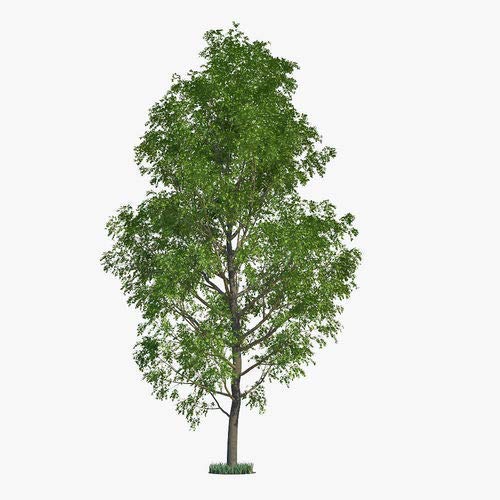
FAST GROWING PRIVACY OR SHADE TREE: Hybrid Poplar Trees are very popular for their fast growing and no seeds or cotton. Very attractive and easy to maintain, change the view very fast.

*Due to California Department of Agriculture, we cannot ship this item to the state of California*
Varieties That Reach Maturity Sooner
- “May Grand” Nectarine Tree: This variety is known for its accelerated growth, reaching maturity faster than other types. It typically starts producing nectarines within 2 to 3 years of planting.
- “Sunraycer” Nectarine Tree: Sunraycer is another fast-growing variety that yields fruits relatively quickly. You can expect to enjoy the tasty nectarines from this tree in as little as 2 to 3 years.
Factors Influencing Growth Rates
- Climate Conditions: Warmer climates generally promote faster growth in nectarine trees. If you live in a region with mild winters and plenty of sunshine, your tree is likely to grow more rapidly.
- Soil Quality: Rich, well-draining soil supports the optimal growth of nectarine trees. Ensure your tree’s roots have access to nutrients by planting it in fertile soil.
Care Tips for Accelerated Growth
- Proper Pruning: Regular pruning helps nectarine trees focus their energy on growth and fruit production. Remove dead or diseased branches to encourage new growth.
- Watering Routine: Maintain a consistent watering schedule, ensuring the soil remains moist but not waterlogged. Adequate hydration is crucial for the rapid development of nectarine trees.
Early Harvest Benefits
Choosing nectarine tree varieties with faster growth rates not only means you’ll have juicy nectarines to enjoy sooner but also allows you to savor the fruits of your labor earlier in the tree’s life cycle. By selecting varieties that mature quickly and providing proper care, you can accelerate the growth of your nectarine tree and enjoy its delicious fruits in a shorter time frame.
Conclusion
Growing a nectarine tree can be a rewarding experience, offering the joy of harvesting your own delicious fruits. By considering factors like climate, soil quality, pruning, and watering, you can help your nectarine tree thrive. Opting for varieties with faster growth rates, such as “May Grand” and “Sunraycer,” can lead to early fruit production in just 2 to 3 years. Remember, warmer climates and well-draining soil are ideal for accelerated growth. With proper care, including regular pruning and watering, you can ensure your nectarine tree grows efficiently. Choosing fast-maturing varieties not only means enjoying fruits sooner but also guarantees a plentiful harvest. So, get ready to savor the fruits of your labor sooner than you think!
Frequently Asked Questions
How long does it take for a nectarine tree to grow from planting to harvest?
It takes approximately 2 to 3 years for a nectarine tree to go from planting to producing fruits.
What are the key factors for the growth of a nectarine tree?
Key factors for nectarine tree growth include climate, soil quality, pruning, watering, pest management, and pollination.
Are there nectarine tree varieties with faster growth rates?
Yes, there are nectarine tree varieties like “May Grand” and “Sunraycer” known for faster growth and early fruit production.
How can I promote faster growth in my nectarine tree?
To promote faster growth, ensure your nectarine tree is planted in warmer climates with rich, well-draining soil, practice proper pruning, and provide consistent watering.
What are the benefits of choosing fast-maturing nectarine tree varieties?
Choosing fast-maturing nectarine tree varieties allows for earlier fruit production and enjoyment, leading to a bountiful harvest sooner in the tree’s life cycle.
