

Growing banana trees in South Carolina is feasible with the right techniques and care. To achieve a successful harvest, focus on selecting the right varieties and providing optimal growing conditions.
Best Banana Varieties for South Carolina
Choosing the right banana variety is crucial for success in South Carolina’s climate. Varieties like the Dwarf Cavendish and Blue Java thrive in warmer temperatures and can handle humidity. These types are also more resistant to diseases common in the region.
Dwarf Cavendish: Ideal for smaller spaces, grows up to 5-6 feet tall.
Blue Java: Known for its unique flavor and cold tolerance.
Rajapuri: A robust variety that produces sweet fruit.
| Variety | Height | Cold Tolerance | Flavor Profile |
|---|---|---|---|
| Dwarf Cavendish | 5-6 feet | Moderate | Sweet |
| Blue Java | 10-15 feet | High | Creamy |
| Rajapuri | 6-8 feet | Moderate | Sweet |
Recommended Products

CHOOSE YOUR FAVORITE BANANA VARIETY – Select from Grand Nain, Dwarf Cavendish, Double Mahoi, Curly Tiny, or Basjoo Banana plants. Each variety offers unique characteristics, from sweet edible fruit to striking ornamental foliage and cold-hardy landscape performance.
CHOOSE YOUR FAVORITE BANANA VARIETY – Select from Grand Nain, Dwarf Cavendish, Double Mahoi, Curly Tiny, or Basjoo Banana plants. Each variety offers unique characteristics, from sweet edible fruit to striking ornamental foliage and cold-hardy landscape performance.
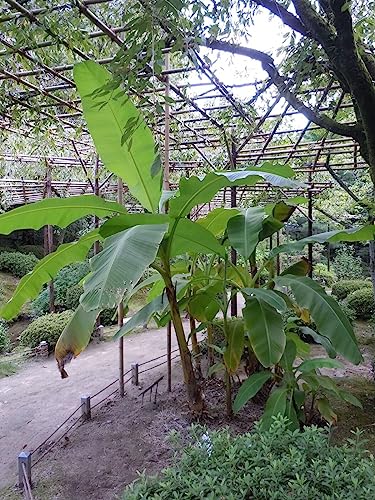
I Assurance that your plant will be sent out in good and healthy condition. Keep in mind that almost all live plants do become stressed during shipping
Soil Preparation for Healthy Banana Trees
Preparing the right soil is crucial for cultivating healthy banana trees in South Carolina’s unique climate. Proper soil preparation ensures optimal drainage, nutrient availability, and pH balance, all of which are essential for robust growth. This section will guide you through the necessary steps to create an ideal growing environment for your banana plants.
Proper soil preparation is essential for healthy banana trees. They prefer well-draining, nutrient-rich soil with a pH between 5.5 and 7.0. Amending the soil with organic matter enhances its fertility and structure.
Test the soil pH using a home testing kit.
Add compost or well-rotted manure to improve nutrient content.
Ensure the soil drains well to prevent root rot.
Soil Quality Testing for Banana Trees
Understanding soil quality is crucial for successfully growing banana trees in South Carolina. The right soil conditions not only support healthy growth but also enhance fruit production. This section will guide you through the essential tests and considerations to ensure your soil is optimized for thriving banana plants.
Testing soil quality helps determine necessary amendments. Follow these steps for effective soil preparation.
Collect Soil Samples: Gather samples from various spots in the planting area.
Analyze pH Levels: Use a testing kit to check acidity.
Add Amendments: Incorporate lime to raise pH or sulfur to lower it.
Spring Planting Tips for Banana Trees
Spring is the ideal time to plant banana trees in South Carolina, as the warmer temperatures and increased rainfall create a favorable environment for growth. Proper preparation and planting techniques can significantly enhance the success of your banana tree cultivation, ensuring a bountiful harvest in the months to come. Here are essential tips to guide your spring planting efforts.
Planting banana trees correctly ensures robust growth. Timing is vital; plant in spring after the last frost. Choose a sunny location with protection from strong winds.
Dig a hole twice the width of the root ball.
Position the tree at the same depth it was in the nursery.
Water thoroughly after planting to settle the soil.
Banana Tree Watering and Fertilizing Guide
Proper watering and fertilizing are crucial for the successful growth of banana trees in South Carolina’s climate. This guide provides essential tips on how to maintain optimal moisture levels and nutrient balance, ensuring your banana trees thrive and produce abundant fruit. Understanding these practices will help you cultivate healthy trees that can withstand local conditions.
Establishing a consistent watering and fertilizing schedule promotes healthy growth.
Water the trees deeply 1-2 times per week.
Apply a balanced fertilizer every 6-8 weeks during the growing season.
Reduce watering in winter months when growth slows.
Pest Control Techniques for Banana Trees
Pest management is crucial for the health and productivity of banana trees in South Carolina. Understanding the common pests that threaten these plants, along with effective control techniques, can help ensure a thriving harvest. This section explores practical strategies to protect your banana trees from infestations and maintain their vitality.
Banana trees can attract pests like aphids and spider mites. Implementing preventive measures is essential for maintaining plant health.
Inspect plants regularly for signs of infestation.
Use insecticidal soap or neem oil for treatment.
Encourage beneficial insects like ladybugs to control pest populations.
Pest Identification and Management Strategies
Pest management is crucial for successfully growing banana trees in South Carolina, where various insects and diseases can threaten their health. Understanding how to identify common pests and implement effective management strategies will help ensure a thriving banana crop. This section provides essential insights into recognizing these challenges and addressing them proactively.
Understanding common pests and their management can save your crop.
| Pest | Symptoms | Control Methods |
|---|---|---|
| Aphids | Curling leaves | Insecticidal soap |
| Spider Mites | Webbing on leaves | Neem oil |
| Banana Weevil | Holes in pseudostems | Traps and beneficial insects |
Optimal Harvesting Methods for Banana Bunches
When it comes to harvesting banana bunches in South Carolina, understanding the right techniques can significantly impact both yield and fruit quality. The unique climate and growing conditions in the region require specific methods to ensure a successful harvest. Here are some effective strategies to maximize your banana crop.
Proper harvesting techniques ensure the best quality fruit. Monitor the banana bunches for color changes and size.
Harvest when bananas are plump and have a slight yellow tint.
Use a sharp knife to cut the bunch from the plant.
Handle with care to avoid bruising.
Post-Harvest Quality Management
Post-harvest quality management is crucial for maintaining the freshness and marketability of bananas harvested in South Carolina. Proper handling and storage techniques can significantly extend the shelf life of the fruit, ensuring that growers maximize their yields and profits. This section explores effective strategies for managing bananas after harvest to maintain their quality and appeal.
After harvesting, proper handling is crucial for maintaining quality.
Store bananas at room temperature to ripen.
Avoid refrigeration until fully ripe to prevent chilling injury.
Use breathable containers to allow airflow.
Year-Round Care for South Carolina Bananas
Caring for banana trees in South Carolina requires attention throughout the year to ensure healthy growth and fruitful harvests. Understanding the specific climate and seasonal changes in the region is crucial for providing the right care at each stage of the banana tree’s development. This section outlines essential year-round practices to help you cultivate thriving banana plants.
Seasonal care involves adjusting practices based on weather conditions. Protect trees during colder months and ensure they receive adequate nutrients throughout the year.
Mulch around the base to retain moisture and regulate temperature.
Monitor for frost and cover trees if necessary.
Adjust watering frequency based on seasonal rainfall.
Recommended Products

PACKAGE: The package includes 4Pcs plant covers,will meet your daily use or replacement. Measuring 31.5" x 47.3", the plant protector is waterproof, windproof.

Revolutionary Anti-freeze Protection: Plant covers freeze protection is made of 100% Reliable non-woven thickened polypropylene fabric Because the frost cloth fabric Thickness is 3.2 oz/yd² thicker and warmer, tear resistant than less expensive 1.3 oz/yd² fabric. Provides up to 2° F(-17℃) frost protection. In winter, frost blankets for outdoor plants can form a insulation layer for plants to isolate cold air and retain the oxygen required for plant respiration
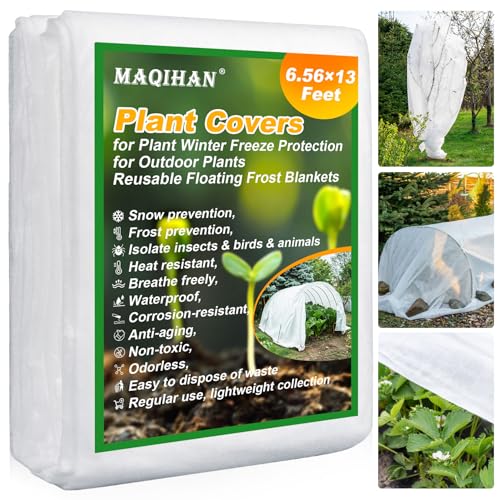
Product Features: Our plant covers are ideal for protecting all plant. Made from premium 1 oz/sq non-woven fabric, their durability and breathability ensuring both insulation against frost and facilitation of sunlight penetration for healthy plant growth
Frost Protection Strategies for Banana Trees
Frost can pose a significant threat to banana trees in South Carolina, where temperatures can occasionally dip unexpectedly. Understanding effective frost protection strategies is essential for maintaining healthy plants and ensuring a fruitful harvest. This section explores practical methods to safeguard your banana trees from frost damage, helping you cultivate a thriving garden even in cooler months.
Failure to protect banana trees from frost can lead to significant damage.
Implementing these strategies will enhance your chances of a successful banana harvest in South Carolina. Focus on variety selection, soil preparation, and seasonal care for optimal results.
