

Have you ever wondered how long it takes for a mango tree to bear fruit from a seed? If you’ve planted a mango seed hoping to enjoy juicy, sweet fruit, you’re not alone. Many people dream of nurturing a tree from scratch, but the waiting game can be frustrating.
In this article, you’ll learn what to expect in terms of time and care. You’ll discover the factors that influence fruit-bearing and tips to help your mango tree thrive. By the end, you’ll feel more confident in your gardening journey and ready to enjoy the fruits of your labor.
Key Takeaways
- Time to Fruit: Mango trees typically take 3 to 6 years to bear fruit from seed, influenced by variety and care conditions.
- Variety Selection: Choosing the right mango variety, such as Haden or Alphonso, can impact the speed and quality of fruit production.
- Optimal Conditions: Provide full sun (6 hours minimum), well-draining soil, and appropriate watering to ensure healthy tree growth.
- Nutrient Requirements: Key nutrients like nitrogen, phosphorus, and potassium are crucial for promoting foliage, root development, and fruit quality.
- Regular Maintenance: Implement proper watering, fertilization, and pruning techniques to support tree health and maximize fruit yield.
- Lifecycle Awareness: Understanding the phases from seed germination to fruit-bearing helps in providing appropriate care throughout the mango tree’s growth stages.
Understanding Mango Trees
Mango trees, known for their sweet fruit, require specific conditions to thrive and bear fruit. Understanding their needs helps you cultivate a healthy mango tree.
Recommended Products

【4 in 1 function】This is a 4-in-1 multifunctional soil tester.Our soil tester fastly to measure soil moisture, pH, temperature and sunlight to help you take better care of flowers and plants.You can know when you need to water your soil by measuring moisture and pH & Temperature value of the soil and sunlight level of plants with it.

Kindly NOTE: This soil tester can not be applied to test pH value of any other liquid. If the soil is too dry the indicator will not move, and water it before testing.

Scientific maintenance: The 7 in one soil testing kit is more suitable for beginners, and can help you comprehensively understand the soil conditions of gardens and lawns, solving your confusion. You can adjust soil moisture and pH according to the values, and you can also clearly see the air temperature and humidity as well as soil temperature through the LCD display to improve plant growing conditions in time and scientifically nurture seedlings to help you make your plants flourish
Overview of Mango Varieties
Mango varieties differ in size, flavor, and ripening time. Common types include:
- Haden: Sweet, juicy, and aromatic; ripens in late spring to summer.
- Tommy Atkins: Firm, fibrous, and less sweet; widely available and has a long shelf life.
- Kent: Sweet and juicy; ripens late summer to early fall.
- Alphonso: Known for its rich flavor; considered the best-tasting variety.
Choosing a variety based on climate and desired taste enhances the success of your mango-growing efforts.
Natural Habitat and Growth Conditions
Mango trees thrive in tropical and subtropical regions. They prefer the following conditions:
- Sunlight: Full sun exposure for at least six hours daily promotes healthy growth.
- Soil: Well-draining soil with a pH between 5.5 and 7.5 supports root development.
- Water: Regular watering during dry periods helps the tree establish roots. Avoid overwatering, as it can lead to root rot.
- Temperature: Ideal temperatures range from 70°F to 100°F. Protect young trees from frost.
Providing these conditions creates an optimal environment for your mango tree to flourish and bear fruit.
The Mango Tree Lifecycle
Growing a mango tree from seed takes time and care. Understanding the lifecycle helps you nurture your tree effectively from the seed stage to fruit-bearing maturity.
Seed Germination Process
The seed germination process typically takes about 2 to 3 weeks. Start by soaking the mango seed in water for 24 hours. Cut the seed open to remove the inner kernel, then plant it in well-draining soil, burying it about 1 inch deep. Maintain moisture by watering regularly but avoiding waterlogging. Seeds require warmth and bright light, so place them in a sunny spot.
Early Growth Stages
After germination, the seedling stage follows. This stage lasts around 6 to 12 months, during which the plant grows leaves and roots. Provide plenty of sunlight—at least 6 hours daily—and keep the soil moist but not saturated. Fertilize the young tree with a balanced fertilizer every 4 to 6 weeks to support nutrient intake. Monitor the growth for signs of health, such as vibrant green leaves and sturdy stems.
Once the mango tree reaches around 3 years of age, it enters the juvenile phase. During this period, the tree continues to grow and strengthen. Patience is key, as it may take an additional 2 to 5 years after this stage for flowers and fruit to appear.
Timeframe for Bearing Fruit
Growing a mango tree from seed involves patience, but understanding the timeframe helps set realistic expectations.
Recommended Products

🍋 Grows Delicious Fruits: With a balance of 6% nitrogen, 4% phosphorus and 6% potassium, Gardenwise’s 6-4-6 Citrus and Avocado Professional Fertilizer nourishes your indoor and outdoor trees with a high-quality blend of nutrients. You’ll love the incredible flavors!
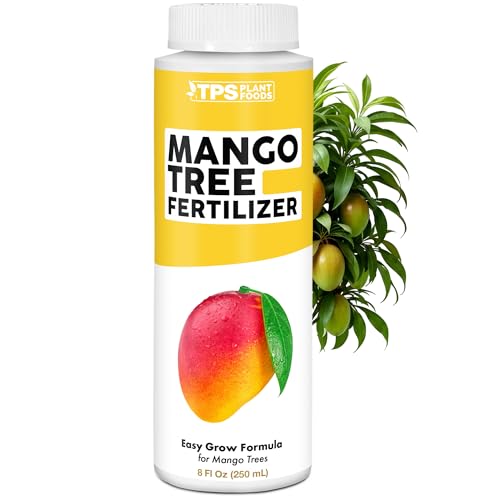
Made for Mango Trees – Formulated to support healthy growth in mango and tropical fruit trees.
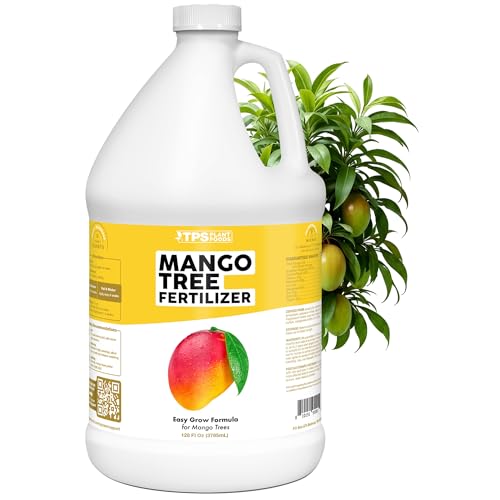
Made for Mango Trees – Formulated to support healthy growth in mango and tropical fruit trees.
Typical Duration from Seed to Fruit
Mango trees typically begin to bear fruit 3 to 6 years after planting the seed. A variety of factors can influence this timeline. For example, some mango varieties, like Haden and Tommy Atkins, may produce fruit sooner than others, such as Alphonso. Variability in climate and care also plays a significant role.
Factors Affecting Timeframe
Several factors affect how quickly your mango tree bears fruit:
- Variety: Different mango varieties yield fruit at different rates. Consider well-known types like Kent or Haden.
- Growing Conditions: Proper sunlight, warmth, and irrigation significantly influence growth. Aim for at least 6 to 8 hours of sunlight each day for optimal development.
- Soil Quality: Use well-draining, nutrient-rich soil. Amend soil with organic matter to promote healthy root growth.
- Tree Care: Regular watering and fertilization support tree health. Use a balanced fertilizer during the growing season to encourage strong growth.
- Tree Health: Pests or diseases can delay fruit-bearing. Keep an eye out for signs of trouble, and treat issues promptly.
By addressing these factors, you maximize your chances of a fruitful mango tree in the expected timeframe.
Care and Maintenance for Fruit Bearing
Proper care and maintenance are vital for ensuring your mango tree produces fruit. Focus on providing essential nutrients, adequate watering, and effective pruning techniques to promote healthy growth and fruit development.
Recommended Products

Produce abundant and vibrant fruit and blooms! This product works by strengthening your plant's roots to increase nutrient uptake… enabling it to bloom and produce like you've never seen!

Produce abundant and vibrant fruit and blooms! This product works by strengthening your plant's roots to increase nutrient uptake… enabling it to bloom and produce like you've never seen!

2X MORE VALUE: The 16 oz of Mango Liquid Plant Fertilizer makes 16 gallons of liquid fertilizer, while the bigger size 32 oz bottle makes 32 gallons, ensuring long-lasting care for all mangoes.
Essential Nutrients and Watering
Mango trees thrive with the right balance of nutrients. Key nutrients include:
- Nitrogen: Encourages lush foliage. Apply a balanced fertilizer that contains nitrogen during the growing season.
- Phosphorus: Supports root development and flower production. Use a fertilizer that is high in phosphorus before flowering starts.
- Potassium: Aids in fruit quality and strength. Fertilize with a potassium-rich product during flowering and fruiting.
Watering is equally important.
- Frequency: Water your tree once a week, ensuring the soil remains moist but not soggy. Adjust the frequency during dry spells.
- Method: Deep watering encourages root growth. Use a soaker hose or drip irrigation to deliver water slowly at the base of the tree.
Pruning Techniques
Pruning fosters healthy growth and maximizes fruit yield. Use the following techniques:
- Timing: Prune in early spring before new growth begins. This minimizes stress and promotes recovery.
- Removal: Cut away any dead, damaged, or crowded branches. Focus on opening up the canopy to improve air circulation and sunlight penetration.
- Shaping: Trim back branches to create a balanced shape. Aim for a central leader with strong lateral branches to support fruit production.
By consistently applying these care and maintenance practices, your mango tree will thrive and bear fruit in a timely manner.
Conclusion
Growing a mango tree from seed is a rewarding journey that requires patience and care. By understanding the timeline and nurturing your tree properly you can look forward to the sweet reward of homegrown mangoes. Remember to choose the right variety for your climate and provide the essential nutrients and conditions your tree needs to thrive.
With the right attention your mango tree can flourish and bear fruit within a few years. So keep your enthusiasm high and enjoy the process of watching your tree grow. Before you know it you’ll be savoring the delicious fruits of your labor. Happy gardening!
Frequently Asked Questions
How long does it take for a mango tree to bear fruit?
Mango trees typically begin to produce fruit 3 to 6 years after planting the seed, but this can vary based on the mango variety and growing conditions.
What factors affect the fruit-bearing timeline of mango trees?
Factors affecting fruit production include the mango variety, soil quality, tree care, sunlight exposure, and overall health of the tree.
How can I help my mango tree to produce fruit?
To enhance fruit production, provide essential nutrients, maintain proper watering, and ensure adequate sunlight. Prune the tree for balanced growth as well.
What are the best mango varieties to grow?
Popular mango varieties include Haden, Tommy Atkins, Kent, and Alphonso. Choose based on your climate and preferred taste.
How should I care for my mango tree?
Care involves regular watering, deep watering for root development, providing fertilizers rich in nitrogen, phosphorus, and potassium, and pruning to maintain structure and health.
What is the germination process for mango seeds?
Soak the mango seed, remove the inner kernel, and plant it in well-draining soil. Keep it warm and moist; germination usually takes about 2 to 3 weeks.
When is the best time to prune a mango tree?
Prune your mango tree in early spring to remove dead or crowded branches and shape the tree for balanced growth while encouraging future fruit production.
