

Have you ever wondered when your key lime tree will finally reward you with those tangy fruits? It’s a common question for both seasoned gardeners and newcomers alike. You plant the tree, nurture it, and then the waiting begins.
Understanding the timeline for fruiting can help you manage your expectations and care for your tree effectively. In this article, you’ll learn how long it typically takes for a key lime tree to bear fruit and what factors can influence that timeline. With the right knowledge, you can enjoy the satisfaction of harvesting your own limes sooner than you think.
Key Takeaways
- Fruiting Timeline: Key lime trees typically bear fruit 2 to 3 years after planting, with full production starting around 5 to 7 years.
- Optimal Conditions: These trees thrive in sunny environments, requiring 6 to 8 hours of direct sunlight, well-draining soil, and temperatures between 70°F and 100°F for best results.
- Soil Needs: Use well-draining sandy or loamy soil with a pH between 5.5 and 6.5 to support healthy root development.
- Regular Care: Consistent watering (1 to 1.5 inches weekly) and fertilization with a balanced citrus fertilizer every 6 to 8 weeks during the growing season are essential for growth and fruit production.
- Pest Management: Regularly check for pests and diseases, as these can hinder fruiting. Implement preventive measures like introducing beneficial insects or using insecticidal soap.
- Environmental Awareness: Monitor environmental stressors like extreme temperatures and humidity levels to optimize growth conditions for your key lime tree.
Understanding Key Lime Trees
Key lime trees are tropical citrus trees that grow delicious, tangy limes. Knowing their characteristics and requirements helps you care for your tree and enjoy its fruit.
Overview of Key Lime Trees
Key lime trees, scientifically known as Citrus aurantiifolia, reach a height of 3 to 6 feet. They produce small, round fruits that turn from green to yellow when ripe. Most importantly, their fruits are popular for culinary uses, particularly in key lime pie. You’ll find that key lime trees are evergreen, retaining their leaves year-round, which adds to their appeal in gardens or pots.
Ideal Growing Conditions
Key lime trees thrive in warm, sunny environments. Here are the key factors to consider:
- Sunlight: Provide at least 6 to 8 hours of direct sunlight daily. This sunlight encourages robust growth and fruit production.
- Soil: Use well-draining soil with a pH between 5.5 and 6.5. Sandy or loamy soils are ideal for preventing water from pooling around the roots.
- Watering: Water regularly but avoid overwatering. Allow the soil to dry slightly between waterings to prevent root rot.
- Temperature: Maintain temperatures between 70°F and 100°F. Key lime trees can’t tolerate frost, so if you live in a cooler climate, consider container planting for easier relocation indoors during the winter.
By providing these ideal conditions, your key lime tree can flourish and yield fruit within a few years.
Timeframe for Fruiting
Understanding the timeframe for fruiting helps you anticipate harvest time and care for your key lime tree correctly. Typically, you can expect a key lime tree to start producing fruit within 2 to 3 years after planting.
Recommended Products

Made for Lime & Citrus Trees – Formulated to support healthy growth in lime and citrus trees.

Made for Lime & Citrus Trees – Formulated to support healthy growth in lime and citrus trees.
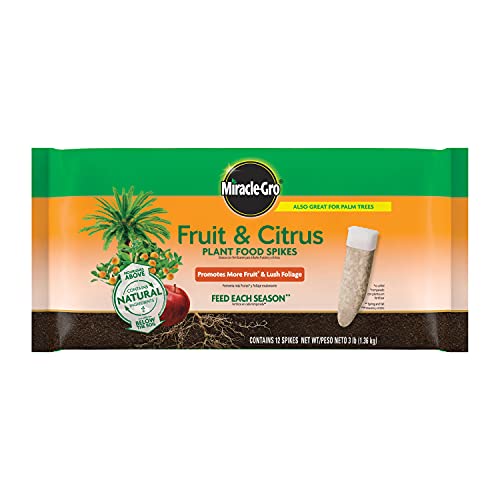
FORMULATED FOR CITRUS AND FRUIT TREES: Use these citrus fertilizer spikes on apple, orange, lemon, lime, and avocado trees; this formula is also great for feeding palm trees
Germination to Fruiting Timeline
Key lime trees progress through several stages from germination to fruiting:
- Seed Germination: Seeds germinate in about 2 to 3 weeks under optimal conditions.
- Seedling Development: Seedlings take approximately 6 months to grow strong enough for transplanting.
- Juvenile Stage: Once planted, juvenile trees usually take 2 to 3 years to bear fruit.
- Maturity: Full fruit production starts around 5 to 7 years, leading to a healthier yield.
Tracking these stages provides clarity and sets realistic expectations for when you’ll enjoy your first harvest.
Factors Affecting Fruiting Time
Several factors influence how quickly your key lime tree produces fruit:
- Tree Variety: Some cultivars mature faster than others. Researching your specific tree type can give insights into its fruiting timeline.
- Growing Conditions: Ensuring 6 to 8 hours of direct sunlight, well-draining soil, and correct watering practices significantly impacts fruit production speed.
- Climate: Warm weather, ideally between 70°F and 100°F, promotes faster growth and fruiting.
- Nutrient Availability: Fertilizing with a balanced citrus fertilizer boosts growth. Regular feeding helps the tree reach its fruiting stage sooner.
- Pest and Disease Management: Keeping the tree healthy from pests and diseases prevents delays in fruit production.
By focusing on these aspects, you can optimize growth conditions and encourage your key lime tree to bear fruit more efficiently.
Care and Maintenance
A key lime tree thrives with proper care and maintenance. Focusing on soil conditions, watering, and fertilization ensures healthy growth and fruit production.
Soil Requirements
Key lime trees prefer well-draining soil that retains some moisture while allowing excess water to escape. Aim for sandy loam or loamy soil with a pH between 5.5 and 6.5. Test your soil’s pH using a simple test kit from a garden center. To improve drainage, consider mixing organic matter or peat moss into the soil. This adjustment helps create an optimal environment for root development.
Watering and Fertilization
Water your key lime tree regularly, aiming for 1 to 1.5 inches of moisture weekly, depending on weather conditions. Check the soil moisture by sticking your finger about an inch deep; if it’s dry, it’s time to water. Avoid letting the roots sit in water to prevent root rot.
Fertilization is vital for optimal growth. Use a balanced citrus fertilizer every 6 to 8 weeks during the growing season. Look for fertilizers with an N-P-K ratio of around 6-6-6 or 8-8-8. Follow the instructions on the label for dosage. During winter months, reduce or stop fertilizing as the tree enters dormancy.
By adhering to these care guidelines, you can nurture your key lime tree to promote healthy growth and fruit production.
Common Challenges
Growing a key lime tree can present several challenges that may affect its fruiting process. Understanding these issues helps you take proactive steps in nurturing your tree.
Recommended Products


TRIPLE PROTECTION FORMULA: 3-in-1 solution kills listed insects, controls listed diseases, and controls listed mites with one easy application
Pests and Diseases
Pests like aphids, spider mites, and scale can damage key lime trees. These pests suck sap from the leaves, leading to yellowing and stunted growth. To manage them, regularly inspect your tree. Introduce beneficial insects like ladybugs or use insecticidal soap for chemical control. Diseases such as root rot can occur from overwatering or poor drainage. Ensure that you let the soil dry slightly between watering sessions to prevent this issue. Fungus can also affect leaves or fruit, so removing diseased parts promptly helps keep your tree healthy.
Environmental Stressors
Environmental stressors play a significant role in the health of your key lime tree. Extreme temperatures, whether too hot or too cold, can hinder growth and fruiting. Protect your tree during unexpected cold snaps by covering it with frost cloth. In hot weather, provide shade during the hottest part of the day to avoid leaf scorch. Additionally, fluctuations in humidity can impact your tree’s growth. Key lime trees thrive in humidity levels above 50%. If humidity drops too low, consider misting the leaves or using a humidifier indoors. Understanding these environmental factors allows you to create an optimal growth setting for your key lime tree.
Conclusion
Growing a key lime tree is a rewarding journey that can lead to delicious fruits in just a few years. By providing the right care and conditions you can encourage your tree to thrive and produce fruit efficiently. Keep an eye on factors like soil quality sunlight and watering to help your tree reach its full potential.
Remember that patience is key as your tree progresses from germination to maturity. With a little love and attention you’ll soon enjoy the satisfaction of harvesting your own key limes. So get ready to savor the fruits of your labor in your favorite recipes!
Frequently Asked Questions
When do key lime trees start producing fruit?
Key lime trees typically begin to produce fruit within 2 to 3 years after planting. Once they reach the juvenile stage, they can bear fruit over the following years, leading to full production by 5 to 7 years of age.
What growing conditions do key lime trees need?
Key lime trees thrive with 6 to 8 hours of direct sunlight, well-draining soil with a pH between 5.5 and 6.5, and temperatures between 70°F and 100°F. Proper watering and nutrient management are also crucial for healthy growth.
What factors affect fruit production in key lime trees?
Several factors influence fruit production, including tree variety, climate, growing conditions, nutrient availability, and effective pest and disease management. Optimizing these conditions can encourage better fruit yield.
How can I care for my key lime tree?
To care for your key lime tree, ensure it gets plenty of sunlight, water it carefully (1 to 1.5 inches per week), and use a balanced citrus fertilizer every 6 to 8 weeks during the growing season. Soil testing is also recommended.
What common challenges do key lime trees face?
Key lime trees can encounter problems with pests like aphids and spider mites, as well as diseases like root rot. Environmental stressors, such as extreme temperatures and low humidity, may also affect tree health and fruit production.
