

Curious how long it takes for honeydew to grow? Picture this: you’re at the grocery store, eyeing a plump, juicy honeydew melon. Ever wondered about the journey it took from seed to fruit? In this article, we’ll walk you through the timeline of a honeydew’s growth, so you can appreciate that sweet, refreshing taste even more.
Have you ever picked up a honeydew at the market and wondered about its ripening process? Understanding how long it takes for these fruits to reach perfection can enhance your shopping experience. Stay tuned as we uncover the stages of growth that lead to that perfectly ripe honeydew on your plate.
Key Takeaways
- Factors such as temperature, water supply, sunlight, and soil quality influence the growth duration of honeydew melons.
- The key stages in honeydew development include germination, vegetative growth, flowering, fruit setting, and maturation.
- Optimal soil conditions with good drainage and organic matter are crucial for planting honeydew seeds successfully.
- Plant honeydew seeds in spring after the last frost for quick germination and strong root establishment.
- Water deeply but infrequently, use balanced fertilizer high in potassium during flowering, and manage pests for healthy honeydew plants.
- Harvest ripe honeydew melons based on color, texture, smell, and sound indicators using twisting or cutting techniques.
Understanding the Growth Cycle of Honeydew Melons
When it comes to the growth cycle of honeydew melons, understanding the various factors that influence their development timeline and recognizing the key stages in their growth is essential for appreciating the journey from seed to fruit. Let’s delve into the details to gain insight into how these delicious melons reach your plate.
Recommended Products
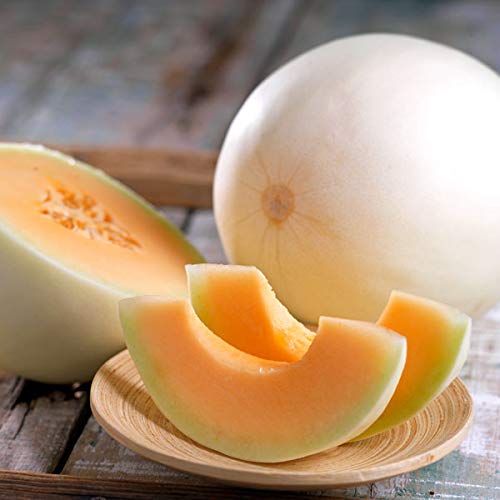
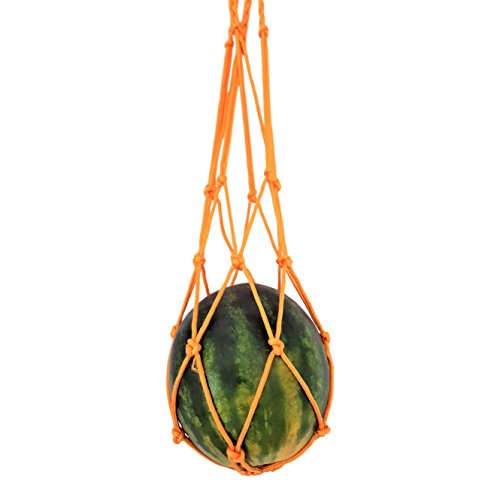
Melon Nets allow you to keep fruits far off the ground away from Hungry rodents and bugs

Factors Influencing Growth Duration
To comprehend how long it takes for honeydew melons to grow, several factors come into play. These include:
- Temperature: Warmer temperatures typically accelerate growth, while cooler conditions can slow down the process.
- Water: Sufficient water supply is crucial for healthy plant development and optimal fruit maturation.
- Sunlight: Honeydew melons thrive in full sunlight, which aids in photosynthesis and overall plant vigor.
- Soil Quality: Nutrient-rich soil provides essential minerals and vitamins necessary for robust growth.
Understanding these factors can help you create an environment conducive to successful honeydew cultivation.
Key Stages in Honeydew Development
The growth of honeydew melons progresses through distinct stages before they are ready for harvest:
- Germination: This marks the beginning of a honeydew plant’s life when a seed sprouts and develops into a seedling.
- Vegetative Growth: During this phase, the plant focuses on leaf production and root establishment to support future fruiting.
- Flowering: The emergence of flowers indicates that pollination has occurred, setting the stage for fruit formation.
- Fruit Setting: After successful pollination, small fruits begin to develop from the flowers.
- Maturation: As time passes, the fruits grow in size, undergo color changes, and attain sweetness until they are ripe for picking.
By recognizing these key stages in honeydew development, you can better appreciate the intricate process that leads to a delectable honeydew on your table.
Planting Honeydew Seeds
When planting honeydew seeds, it’s essential to create the optimal conditions for their growth. Here’s what you need to know:
Recommended Products

NUTRIENT-RICH, NATURAL, AND ORGANIC SOIL: Grow a bountiful garden in your home with the Back to the Roots All-Purpose Natural and Organic Peat-Free 3-in-1 Seed Starting Mix, packed with the nutrients needed for your plants, flowers, and vegetables to thrive

Miracle-Gro Indoor Potting Mix for Seed Starting grows stronger roots for seeding success (vs unfed when used as directed)

CONTAINS: This organic Seed Stating soil mix is a rich blend of sphagnum peat moss & perlite with yucca extract and lime to ensure correct pH.
Optimal Soil Conditions
For successful honeydew growth, ensure that the soil is well-draining and rich in organic matter. A sandy loam soil type with a pH level between 6.0 and 6.5 works best for honeydew plants. Adding compost or aged manure before planting can improve soil fertility and provide essential nutrients for healthy seedling development.
Best Season for Planting
The ideal time to plant honeydew seeds is in the spring after the last frost has passed and when the soil temperature reaches around 70°F (21°C) or higher. This ensures that the seeds have warm soil to germinate quickly and establish strong roots. Planting in cooler temperatures may slow down seedling growth, so timing your planting season correctly is crucial for a successful harvest of sweet, juicy honeydews.
Caring for Honeydew Plants
When caring for your honeydew plants, you need to pay attention to watering and fertilization techniques as well as pest and disease management.
Recommended Products

【Even & Consistent Root Watering】Features micro-pore seepage technology that distributes water evenly along the entire hose, transforming spot watering into uniform line watering directly to plant roots. Unlike traditional drip irrigation systems with clog-prone emitters, this soaker hose creates a continuous moisture band for healthier, deeper-rooted plants

Slowly waters the soil around your plants for complete root zone hydration; Ideal for short runs on flat surfaces, such as vegetable gardens, borders, and around small plants
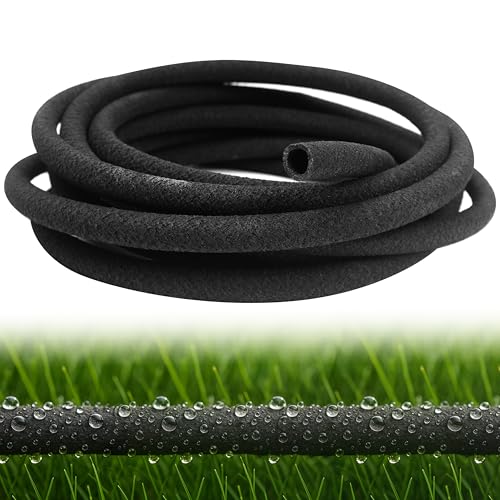
Specs: Features a 1/2" diameter and is 25ft long, providing adequate length to extend any existing watering system or drip supply.
Watering and Fertilization Techniques
To ensure optimal growth of your honeydew plants, water them deeply but infrequently. Aim to keep the soil consistently moist but not waterlogged. Consider using a soaker hose or drip irrigation system to deliver water directly to the roots, reducing the risk of fungal diseases on leaves. When it comes to fertilization, apply a balanced fertilizer high in potassium every 2-3 weeks once the plants start flowering. This will promote fruit development and enhance the sweetness of your honeydews.
Pest and Disease Management
Protecting your honeydew plants from pests and diseases is crucial for a successful harvest. Keep an eye out for common pests like aphids, spider mites, and cucumber beetles. You can introduce beneficial insects like ladybugs or lacewings to help control these pests naturally. Additionally, practice crop rotation each season to reduce the buildup of diseases in the soil. If you notice any signs of powdery mildew or bacterial wilt, promptly remove affected plant parts to prevent further spread.
By following these watering and fertilization techniques along with effective pest and disease management strategies, you’ll be able to nurture healthy honeydew plants that yield delicious fruits for you to enjoy.
Harvesting Honeydew Melons
When it comes to harvesting honeydew melons, there are specific signs of maturity you should look for before picking them. Understanding the right techniques for harvesting ensures that you enjoy sweet and ripe fruits at their best.
Signs of Maturity
To determine if your honeydew melon is ready for harvest, pay attention to these indicators:
- Color: A ripe honeydew melon typically has a creamy yellow color on the bottom where it touched the ground.
- Texture: The skin should feel slightly waxy and firm but not rock hard.
- Smell: A fragrant aroma near the stem end indicates ripeness.
- Sound: When tapped, a mature honeydew produces a hollow sound rather than a dull thud.
Harvesting Techniques
When it’s time to harvest your honeydew melons, follow these simple steps to ensure they’re picked at their peak:
- Twist Method: Gently twist the fruit; if it separates easily from the vine, it’s likely ripe and ready for harvest.
- Cutting Technique: Use sharp shears or a knife to cut the stem about an inch above the fruit. Avoid pulling or tearing as this can damage both the melon and the plant.
- Timing: Harvest in the morning when temperatures are cooler to prevent heat stress on plants and maintain fruit quality.
- Storage: Store harvested honeydews at room temperature until fully ripe; then refrigerate them for extended freshness.
Conclusion
Growing honeydew melons is a rewarding journey that requires attention to detail and care. By understanding the growth stages, providing proper care, and knowing when to harvest, you can enjoy the sweet fruits of your labor. Remember to create an optimal environment for your honeydew plants by ensuring they receive adequate sunlight, water, and nutrients. Combatting pests and diseases promptly will help maintain plant health. When it’s time to harvest, look for key indicators of maturity and handle the melons with care. With patience and dedication, you can cultivate thriving honeydew plants that yield delicious results. Happy gardening!
Frequently Asked Questions
1. What are the key growth stages of honeydew melons?
Honeydew melons go through germination, vine growth, flowering, fruit set, and maturation stages.
2. How important are environmental factors for honeydew melon growth?
Environmental factors like temperature, water, sunlight, and soil quality play a crucial role in the successful growth of honeydew melons.
3. What care techniques should be used for honeydew plants?
Deep watering and using potassium-rich fertilizers during flowering are essential care techniques for honeydew plants.
4. How can pests and diseases be managed in honeydew plants?
Combat common pests like aphids and diseases such as powdery mildew with appropriate pest management methods.
5. When is the right time to harvest honeydew melons?
Harvest honeydew melons when they exhibit signs of maturity like color, texture, smell, and sound to ensure optimal sweetness and flavor.
