

Have you ever wondered how long it takes for a lemon tree to bear fruit? If you’re dreaming of plucking fresh lemons from your own backyard, you’re not alone. Many people are eager to grow their own citrus but often find themselves unsure about the timeline.
Key Takeaways
- Time to Fruit: Lemon trees take approximately 3-5 years to bear fruit from seeds and 18-24 months when grafted.
- Optimal Conditions: Full sunlight (at least 8 hours daily), well-draining soil, and regular watering are essential for healthy growth and quicker fruiting.
- Fertilization: Use a balanced, citrus-specific fertilizer every 6-8 weeks during the growing season to promote fruit production.
- Pruning Importance: Annual pruning helps improve air circulation, enhances sunlight exposure, and supports healthier fruit quality.
- Pest Management: Regularly check for pests like aphids and spider mites, and address infestations promptly to protect your lemon tree’s health.
- Variety Matters: Different lemon tree varieties, such as Eureka and Lisbon, produce fruit at different rates, influencing your gardening timeline.
Understanding Lemon Trees
Lemon trees, classified as citrus trees, thrive in warm climates. These evergreen trees earn their popularity due to their fragrant flowers and bright, tangy fruit. You’ll find two main types: Eureka and Lisbon. Both produce juicy lemons and vary slightly in growth and fruiting habits.
Growth Timeline
Lemon trees typically take around three to five years to bear fruit when grown from seeds. When you opt for grafted trees, fruiting can occur within 18 to 24 months. The type of care affects this timeline significantly, so consistent attention to your tree is essential.
Ideal Conditions
You’ll notice quicker growth and fruiting with optimal conditions. Here’s what to consider:
- Sunlight: Lemon trees require full sun for at least eight hours daily. When positioned properly, they grow vigorously.
- Soil: Well-draining soil rich in organic matter promotes healthy root systems. pH levels between 5.5 and 6.5 work best.
- Watering: Regular watering during dry spells encourages fruit development. Ensure the soil remains moist but not waterlogged.
Fertilization
Fertilizing supports fruit production. Use a balanced fertilizer, specifically formulated for citrus trees, every six to eight weeks during the growing season. You’ll boost growth and yield with proper nutrition.
Pruning
Prune lemon trees annually to encourage a vibrant shape. Remove dead or crossing branches, allowing sunlight and air to penetrate the canopy. This practice improves fruit quality and reduces disease risks.
Pests and Diseases
Monitor for common pests such as aphids, spider mites, and scale insects. Address infestations promptly using insecticidal soap or natural predators. Fungal diseases can also affect lemon trees, so ensure proper air circulation.
By following these guidelines, you maintain healthy lemon trees that can eventually reward you with a bountiful harvest of flavorful lemons.
Factors Affecting Fruit Bearing
Several factors influence how long it takes a lemon tree to bear fruit. Understanding these can help you provide the best care for your tree and potentially speed up the fruiting process.
Recommended Products

Made for Lemon & Citrus Trees – Formulated to support healthy growth in lemon and citrus plants.

Essentials for Fruit Production- With a balanced NPK of 6-3-3 we made sure to pack this liquid plant food with all the important macronutrients such as nitrogen, phosphorus, and potassium plus micronutrients like zinc and manganese

Made for Lemon & Citrus Trees – Formulated to support healthy growth in lemon trees and citrus plants
Tree Variety
Different lemon tree varieties produce fruit at varying rates. For example, the Eureka lemon tree often yields fruit within three years. The Lisbon variety may also show fruit within a similar timeframe. However, the Meyer lemon tree, a popular choice for home gardeners, typically takes longer, often up to five years to produce fruit. Choosing the right variety can significantly affect your timeline for harvesting lemons.
Growing Conditions
Optimal growing conditions play a crucial role in fruit-bearing timelines.
- Sunlight: Lemon trees thrive on full sunlight, needing at least eight hours of direct sun each day. Insufficient light delays fruit development.
- Soil Quality: Well-draining soil is essential. Heavy, compacted soils can hinder root development and moisture absorption, leading to stunted growth.
- Watering: Regular watering supports healthy growth. Lemon trees prefer deep watering sessions rather than frequent shallow watering.
- Fertilization: Proper fertilization provides vital nutrients. Use a citrus-specific fertilizer, applying it during the growing season to encourage fruit production.
- Pruning: Annual pruning promotes air circulation and sunlight penetration, improving fruit quality. It also helps remove dead or diseased branches.
By addressing these factors, you can create an environment that supports your lemon tree in bearing fruit sooner.
Average Timeframe for Fruiting
Lemon trees typically require a specific timeframe to start producing fruit. Knowing this timeline can help you set realistic expectations for your garden.
Recommended Products
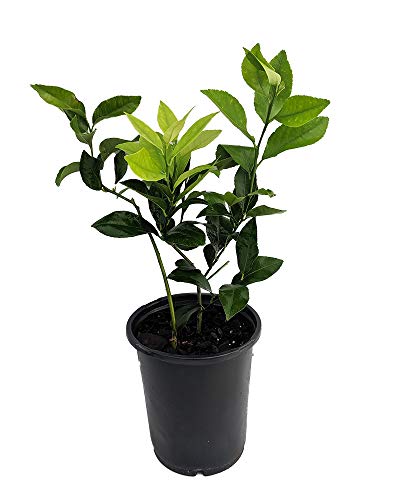
Your Meyer Lemon Tree comes with a gift card certificate that assures you that your lemon tree comes from Hirt's Gardens.

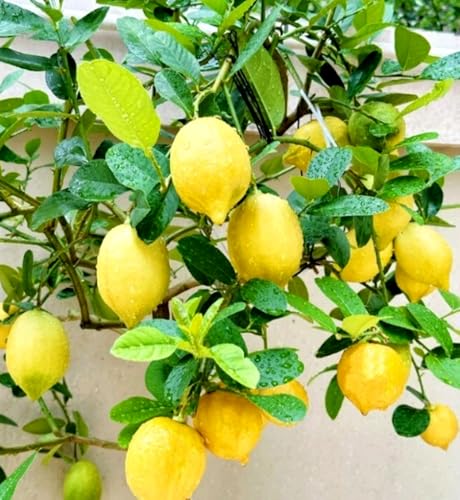
Meyer lemons are a thin-skinned hybrid fruit.
From Planting to First Fruit
From the moment you plant a lemon tree, the timeline for fruiting varies. If you plant a lemon tree from seeds, expect to wait three to five years for fruit production. Grafted trees, however, yield results much sooner, often within 18 to 24 months. Keep in mind that factors like variety and local climate can influence this timeframe.
Impact of Care and Maintenance
Your care practices significantly affect how soon your lemon tree bears fruit. Providing ample sunlight, ideally six to eight hours daily, speeds up the growth process. Regular watering fosters healthier trees; water deeply once or twice a week, depending on rainfall. Maintain well-draining soil to prevent root rot. Additionally, fertilizing every few months with a balanced fertilizer gives your tree the nutrients it needs for robust growth. Pruning annually helps manage shape and airflow, promoting healthier fruit production. Proper pest management also plays a crucial role; monitor for pests like aphids or mites, and act quickly if they appear.
By consistently applying these care techniques, you enhance your tree’s ability to produce fruit sooner.
Tips for Encouraging Fruiting
Encouraging a lemon tree to bear fruit requires specific care techniques and growing conditions. Taking the right steps enhances your chances of thriving fruit production.
Recommended Products

FORMULATED FOR CITRUS AND FRUIT TREES: Use these citrus fertilizer spikes on apple, orange, lemon, lime, and avocado trees; this formula is also great for feeding palm trees

20-10-20 Analysis - Great for producing vibrant green leaves, strong branches, and more fruit in tropical fruiting plants.

PREMIUM LEMON TREE FERTILIZER: Specially formulated liquid nutrient solution designed to maximize the growth, bloom, and fruit yield of your citrus plants. This fast-acting citrus tree fertilizer delivers essential nutrients directly to the roots, ensuring vibrant green leaves and juicier, more abundant fruits for your home garden.
Pruning and Care Techniques
Pruning your lemon tree promotes air circulation and encourages new growth. Trim branches that cross or rub against each other. This avoids damage and creates space for fruit development. Aim to prune in late winter or early spring before new growth begins.
Monitor your tree regularly for signs of stress, such as yellowing leaves or a lack of new growth. If you notice these issues, adjust your watering schedule or check for pests. Use a sharp, clean tool to make cuts, ensuring minimal injury to the tree.
Soil and Fertilization
Selecting the right soil is crucial for healthy growth and fruit production. Use well-draining, sandy loam soil that retains moisture without becoming waterlogged. This prevents root rot and other issues.
Fertilize your lemon tree every four to six weeks during the growing season. Use a balanced fertilizer with a ratio of 10-10-10 or a fertilizer specifically formulated for citrus trees. Follow the manufacturer’s instructions for application rates.
Additionally, consider adding organic matter, such as compost, to enrich the soil. This enhances nutrient availability and promotes healthy root development. Regularly check soil moisture and ensure proper irrigation practices to keep your lemon tree well-hydrated.
Conclusion
Growing your own lemon tree can be a rewarding journey filled with anticipation. While it may take a few years for your tree to start producing fruit you can enjoy the process of nurturing it along the way. With the right care and attention your lemon tree can flourish and eventually provide you with fresh lemons right from your backyard.
Remember to keep an eye on the growing conditions and provide the necessary support for your tree. By following the tips shared in this post you’re setting yourself up for success. So get ready to enjoy the sweet and zesty rewards of your hard work when the time comes for your lemon tree to bear fruit. Happy gardening!
Frequently Asked Questions
How long does it take for a lemon tree to bear fruit from seeds?
Lemon trees grown from seeds typically take about three to five years to produce fruit. The specific timeline can vary based on growing conditions and care.
Do grafted lemon trees produce fruit faster?
Yes, grafted lemon trees can bear fruit much sooner, usually within 18 to 24 months, depending on proper care and growing conditions.
What are the ideal conditions for growing a lemon tree?
Lemon trees thrive in full sunlight, well-draining soil, and require regular watering. Ensuring these conditions can support healthy growth and fruit production.
How often should I fertilize my lemon tree?
Fertilize your lemon tree every four to six weeks during the growing season with a balanced fertilizer. This helps promote healthy growth and fruiting.
What are common pests to watch for on lemon trees?
Common pests that can affect lemon trees include aphids and mites. Regular monitoring for these pests is essential to maintain the tree’s health.
When should I prune my lemon tree?
Prune your lemon tree in late winter or early spring. Pruning helps promote air circulation, new growth, and overall tree health.
How does the tree variety affect fruit production?
Different lemon tree varieties produce fruit at varying rates. For example, Eureka and Lisbon varieties generally yield fruit within three years, while Meyer lemons may take up to five years.
What soil type is best for lemon trees?
Lemon trees prefer well-draining, sandy loam soil. This type of soil helps prevent root rot and supports healthy root development.
Can I grow lemon trees indoors?
Yes, lemon trees can be grown indoors, but they will need plenty of sunlight, typically a south-facing window. Consider using a pot with good drainage for optimal growth.
What tips can help encourage fruiting in lemon trees?
To encourage fruiting, ensure your lemon tree receives ample sunlight, regular deep watering, and annual pruning. Adding organic matter to the soil can enhance nutrient availability.
