

Have you ever wondered how long it takes for a palm tree to start bearing fruit? If you’re dreaming of that tropical paradise in your backyard, you’re not alone. Many people are curious about the timeline involved in growing these majestic trees and enjoying their delicious produce.
Key Takeaways
- Species Matters: Different palm species have varying timelines for fruit-bearing, with Coconut Palms taking 6-10 years, Date Palms 4-8 years, and Oil Palms 3-5 years.
- Optimal Conditions: Ensure nutrient-rich, well-draining soil, adequate sunlight (6-8 hours daily), and proper watering to promote healthy growth and fruit production.
- Fertilization Frequency: Use a slow-release palm-specific fertilizer every 2-3 months during the growing season to enhance growth and fruit yield.
- Pruning for Health: Regularly prune dead or yellowing fronds but avoid cutting healthy green fronds to maintain the tree’s energy and vitality.
- Environmental Influences: Temperature and climate significantly impact fruit-bearing; palms thrive in warm, dry conditions, which are essential for successful cultivation.
Factors Affecting Fruit Bearing Time
Understanding the factors that influence how long it takes a palm tree to bear fruit is essential for successful cultivation. Several elements contribute to the timing of fruit production in palm trees.
Tree Species
Different palm tree species vary significantly in their fruit-bearing timelines. Common species include:
- Coconut Palm: Typically begins bearing fruit within 6 to 10 years.
- Date Palm: Takes approximately 4 to 8 years to produce fruit.
- Oil Palm: Generally starts to yield fruit around 3 to 5 years.
Research the specific species you’re interested in to set realistic expectations for fruit production.
Growing Conditions
Optimal growing conditions play a vital role in determining when palm trees bear fruit. Key factors include:
- Soil Quality: Nutrient-rich, well-draining soil enhances growth and fruiting.
- Water Availability: Consistent watering promotes healthy development; however, overwatering can harm the tree.
- Sunlight: Full sun exposure is essential for fruit production, as most palm trees flourish in bright light.
- Temperature: Warm climates support fruit-bearing, while cold or frost-prone areas may delay or prevent fruiting.
Ensure you provide the necessary conditions for your palm trees to thrive and maximize their fruit-bearing potential.
Typical Timeframes for Different Palm Species
Understanding the timeframes for various palm species provides valuable insights into your fruit-bearing expectations. Different species exhibit unique growth patterns and timelines.
Recommended Products

Common Name: Medjool Date Palm

Grows best in full sun with well-drained soil; drought tolerant once established. Plant seeds ½" deep in warm soil and keep consistently moist during germination. Space trees 10–20 ft apart for full canopy spread.

Premium quality tropical palm seeds package containing 10 Pygmy Date Palm (Phoenix roebelenii) seeds, a compact, elegant dwarf palm with feathery arching fronds for indoor planters and resort-style patios.
Coconut Palm
Coconut Palms typically take 6 to 10 years to start producing fruit. You’ll notice flowers forming after about 5 to 6 years, but it may take additional time for coconuts to develop fully. Fertilizing the soil and ensuring proper irrigation accelerates growth. Ideal conditions include well-draining sandy soil, full sun exposure, and temperatures between 70°F and 90°F.
Date Palm
Date Palms usually bear fruit within 4 to 8 years. Female trees produce clusters of dates after reaching maturity. Cultivating Date Palms requires patience, as optimal pollination and care significantly influence yield. It thrives in warm, dry climates with well-drained soil. Regular watering during dry spells helps support fruit development.
| Palm Species | Time to Fruit Bearing | Ideal Conditions |
|---|---|---|
| Coconut Palm | 6 to 10 years | Sandy soil, full sun, warm temps |
| Date Palm | 4 to 8 years | Well-drained soil, warm dry climate |
Environmental Requirements
Palm trees thrive under specific environmental conditions that influence their ability to bear fruit. Understanding these requirements helps ensure successful growth and fruit production.
Recommended Products

Accurate Soil Moisture Detection: The XLUX Soil Moisture Meter can tell you if the soil deep inside your pot or garden is dry, moist or wet; whereas your eyes and fingers can only determine the moisture level of the soil surface. The probe is 5.5 inches (14 cm) longer than regular styles, allowing it to measure the soil moisture at the bottom of larger and deeper flower pots.

Accurate Soil Moisture Detection: The XLUX Soil Moisture Meter can tell you if the soil deep inside your pot or garden is dry, moist or wet; whereas your eyes and fingers can only determine the moisture level of the soil surface. The probe is 5.5 inches (14 cm) longer than regular styles, allowing it to measure the soil moisture at the bottom of larger and deeper flower pots.

Kindly NOTE: This soil tester can not be applied to test pH value of any other liquid. If the soil is too dry the indicator will not move, and water it before testing.
Soil Quality
Good soil quality is vital for palm trees. Use well-draining sandy or loamy soil that contains organic matter. Avoid compacted or heavy clay soils that retain too much water, as excessive moisture may lead to root rot. Conduct soil tests to check pH levels, aiming for a range of 6 to 8. Amending the soil with compost can improve drainage and nutrient content. Regularly aerating the soil enhances root development.
Sunlight and Water Needs
Palm trees typically prefer full sun exposure, requiring at least 6 to 8 hours of direct sunlight daily. Select a planting location that maximizes sun exposure. Watering is equally important; palm trees need consistent moisture, especially during dry spells. Aim for a deep watering routine, applying water when the top inch of soil feels dry. During the growing season, keep the soil consistently moist but not soggy. In contrast, reduce watering during cooler months, allowing for slight drying without stressing the plant.
Care and Maintenance Tips
Maintaining palm trees involves essential practices that maximize fruit production and ensure healthy growth.
Recommended Products
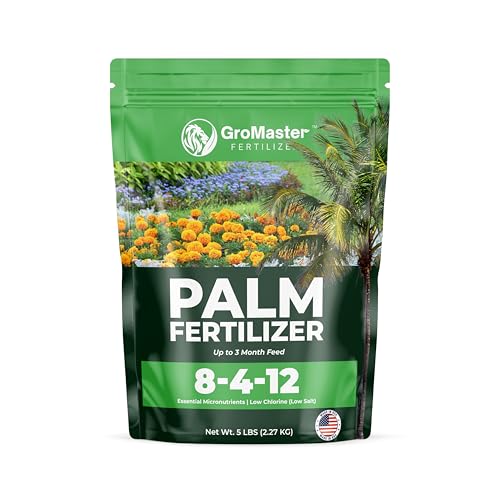
PALM-SPECIFIC FORMULA: 8-4-12 + 4Mg analysis is carefully balanced to support strong root systems, vibrant fronds, and overall palm health.

Contains magnesium, iron and manganese to grow lush palms, cyads and tropical plants

FEEDS MORE PALMS FOR LESS MONEY - Only $3.21 Per Palm. This 7 LB pail feeds 14 palms (2-6 inch wide trunk) for only $3.21 per palm. It feeds significantly more palms than many competing palm fertilizers. Save more money with our 14 LB pail and 40 LB pail or save the most with our 40 LB bag.
Fertilization
Fertilizing palm trees promotes robust growth and fruit yield. Use a slow-release fertilizer specifically formulated for palms, which contains essential nutrients like potassium, magnesium, and manganese. Apply this fertilizer every 2 to 3 months during the growing season, typically spring and summer. Follow the manufacturer’s instructions for the appropriate amounts based on your tree’s size. Monitor your palm for signs of nutrient deficiencies, such as yellowing fronds or stunted growth.
Pruning Practices
Pruning palm trees is crucial for stimulating growth and improving overall health. Remove dead or yellowing fronds, as they can harbor pests and diseases. Prune these fronds back to the trunk but avoid cutting healthy green fronds, as they contribute to the tree’s energy. For species like the Coconut Palm, only prune in late summer or early fall, ensuring minimal disruption to fruit production. Use clean, sharp tools to prevent infection and promote healing.
By following these tips for fertilization and pruning, you’ll greatly improve your palm tree’s chances of bearing fruit successfully.
Conclusion
Growing palm trees can be a rewarding journey. With a little patience and the right conditions you’ll be well on your way to enjoying their delicious fruits. Remember to choose the right species for your climate and provide the care they need.
By focusing on soil quality sunlight and proper watering you can create an environment where your palm trees thrive. Keep an eye on their growth and don’t hesitate to adjust your care routine as needed. In time you’ll be able to savor the fruits of your labor and enjoy the tropical ambiance right in your backyard. Happy gardening!
Frequently Asked Questions
How long does it take for palm trees to bear fruit?
The time it takes for palm trees to bear fruit varies by species. Generally, Coconut Palms take 6 to 10 years, Date Palms 4 to 8 years, and Oil Palms around 3 to 6 years. Optimal growing conditions greatly influence these timeframes.
What factors affect palm tree fruit production?
Key factors influencing palm tree fruit production include the species of palm, soil quality, water availability, sunlight, and temperature. Providing the correct environment can significantly improve fruit-bearing potential.
What type of soil is best for growing palm trees?
Palm trees thrive in well-draining sandy or loamy soil with a pH between 6 to 8. Avoid compacted or heavy clay soils as they may lead to root rot and hinder growth.
How much sunlight do palm trees need?
Palm trees require at least 6 to 8 hours of direct sunlight daily for optimal growth and fruit production. Full sun exposure is essential for healthy development.
How often should I water my palm trees?
Water palm trees deeply when the top inch of soil feels dry. During dry spells, regular watering is essential, but reduce frequency in cooler months to prevent stress on the plants.
What kind of fertilizer should I use for palm trees?
Use a slow-release fertilizer formulated for palms, applied every 2 to 3 months during the growing season. Proper fertilization supports healthy growth and increases fruit yield.
Should I prune my palm trees?
Yes, pruning is beneficial. Remove dead or yellowing fronds to stimulate growth and ensure the palm focuses its energy on healthy, green fronds, which can enhance fruit production.
