

Ever wondered how long it takes for those delicious kiwis to grow in your backyard? Picture this: you’re dreaming of harvesting your own fresh kiwis, but you’re not sure how much time and patience it will require. Understanding the timeline for kiwi growth can help you plan and nurture your garden better.
In this article, you’ll discover the fascinating journey of kiwi growth, from planting the seeds to enjoying the fruits of your labor. By learning about the growth stages and the factors that influence the process, you’ll be equipped to cultivate your kiwi plants successfully. Get ready to embark on a green-thumbed adventure as you explore the timeline of how long it takes for kiwis to grow.
Key Takeaways
- Kiwi seeds typically germinate within 2 to 3 weeks after planting, with seedlings developing true leaves in 4 to 6 weeks.
- Kiwi plants go through stages like vegetative growth, flowering, fruit development (5-9 months), and harvesting for optimal growth.
- Factors influencing kiwi growth include variety, climate conditions, soil quality, pollination, pruning, fertilization, and watering.
- Understanding and following the stages of kiwi growth can help in successfully nurturing the plants.
- Tips to accelerate kiwi growth include choosing a sunny planting spot, proper watering, balanced fertilization, pruning, pollination management, frost protection, mulching, and regular inspections.
- Training kiwi vines on a support structure can aid in upward growth and make harvesting easier for better fruit development.
Understanding the Growth Cycle of Kiwi Plants
To successfully cultivate kiwi plants, it’s essential to understand their growth cycle. By learning about the various stages of kiwi growth, you can better nurture your plants for a bountiful harvest.
Germination Phase:
Kiwi seeds typically germinate within 2 to 3 weeks after planting. During this phase, the seeds absorb water and nutrients, swelling and eventually sprouting small root radicles.
Seedling Stage:
Once germination occurs, the seedlings develop their first set of true leaves and start to establish a root system. It takes about 4 to 6 weeks for kiwi seedlings to reach this stage.
Vegetative Growth:
The vegetative growth phase is crucial for kiwi plants as they focus on leaf development and root establishment. This stage can last anywhere from 1 to 2 years, depending on the kiwi plant variety.
Flowering and Pollination:
After the vegetative phase, kiwi plants transition to the flowering stage, typically in late spring to early summer. Kiwi plants are dioecious, meaning they have separate male and female plants. To ensure fruit production, it’s essential to have both male and female plants for proper pollination.
Fruit Development:
Once pollination occurs, the fertilized flowers develop into young kiwi fruits. It takes approximately 5 to 9 months for the fruits to mature, depending on the kiwi variety and growing conditions.
Harvesting:
Kiwi fruits are ready to be harvested when they reach their full size, color, and sugar content. Harvesting usually takes place in late fall or early winter, depending on the geographical location.
Understanding the growth cycle of kiwi plants can help you plan and care for your plants effectively. By following these stages closely, you can ensure a successful harvest of delicious kiwi fruits from your garden.
Factors Affecting the Growth Time of Kiwi
Understanding the factors that influence the growth time of kiwi plants is crucial for successful cultivation. Here are key elements that impact how long it takes for kiwis to grow:
Recommended Products

Material & Durability: Compatible for grape vine support, crafted from quality PP material for reusability, resistance to breakage, and easy distortion on vines without slipping when clipped to trellising twine.

Product Packaging: 1 set of chain trellies for climbing plant (includes 10 black stars, 10 black moons, 20 Metal Spring O Rings Clip, 6 traceless hooks, 6 traceless nails, 6 plastic-coated hooks, and 10 zip ties).

Enough to Use: this package includes 2 wire trellis for climbing plants, doubling the support for your climbing plants; It's an ideal choice for garden hobbyists who tend to a variety of climbing plants on trellises or arbor
1. Kiwi Variety
Different kiwi varieties have varying growth rates. The most common types are the fuzzy kiwi (Actinidia deliciosa) and the smooth kiwi (Actinidia chinensis). Fuzzy kiwis generally take longer to mature—around 3 to 5 years—compared to smooth kiwis, which can bear fruit within 2 to 3 years.
2. Climate Conditions
Kiwi plants thrive in temperate climates with mild winters and warm summers. They require a chilling period for proper flower bud development. In regions with suitable conditions, kiwi plants tend to grow faster and produce fruit more quickly.
3. Soil Quality
Well-draining soil with ample organic matter is essential for healthy kiwi plant growth. Kiwis prefer slightly acidic soil with a pH level between 5.0 and 6.5. Poor soil quality can hinder growth and delay fruit production.
4. Pollination
Kiwi plants are dioecious, meaning they have separate male and female plants. To produce fruit, female plants need to be pollinated by male plants. Proper pollination ensures the development of quality fruit and can impact the time it takes for kiwis to grow.
5. Pruning and Training
Regular pruning and training of kiwi vines play a significant role in their growth and fruiting. Pruning helps maintain plant health, encourages fruit production, and optimizes sunlight exposure. Proper pruning practices can accelerate the growth and maturity of kiwi plants.
6. Fertilization and Watering
Providing the right balance of nutrients through fertilization and adequate watering is essential for robust kiwi plant growth. Fertilize kiwi plants according to specific guidelines to support their nutritional needs. Consistent watering, especially during fruit development stages, promotes healthy growth and faster maturation.
By considering these factors and implementing proper care practices, you can optimize the growth time of your kiwi plants and enjoy a bountiful harvest of delicious fruits.
Stages of Kiwi Growth
Understanding the stages of kiwi growth is crucial for successfully nurturing your plants. Here, we outline the key phases you can expect during the growth cycle of your kiwi plants.
- Germination Phase: Kiwi seeds typically take about 14 to 21 days to germinate. During this stage, ensure the seeds are kept moist but not waterlogged. You’ll start to see the first tiny leaves emerging from the soil.
- Seedling Development: As the seedlings continue to grow, they’ll develop their first set of true leaves. It usually takes around 3 to 4 weeks for this stage to complete. Ensure they receive adequate sunlight and water to promote healthy growth.
- Vegetative Growth: This stage focuses on the plant’s leaf and stem growth. Kiwi plants grow rapidly during this phase, often reaching several feet in height within a few months. Regular pruning and feeding can help maintain the plant’s vigor.
- Flowering: Kiwi plants typically start flowering in their second or third year. The flowering phase is crucial for fruit production. Bees and other pollinators play a vital role in pollinating the flowers to ensure fruit set.
- Fruit Development: Once the flowers are pollinated, the fruits start to develop. It takes around 5 to 6 months for the fruits to reach maturity. Proper watering and fertilization during this period are essential for fruit quality and size.
- Harvesting: The final stage is harvesting the ripe fruits. Depending on the variety, kiwis are usually ready for harvest from late summer to early fall. Harvest when the fruits are fully mature but not overripe for the best flavor.
By understanding these stages and providing the necessary care at each phase, you can ensure the successful growth of your kiwi plants and enjoy a bountiful harvest of delicious, fresh fruits.
Recommended Products

【Durable Metal Construction】This dragon fruit plant rack is made of high-quality metal, sturdy and durable. This dragon fruit trellis has excellent weather resistance, providing strong support for the healthy growth of your climbing plants both indoors and outdoors.
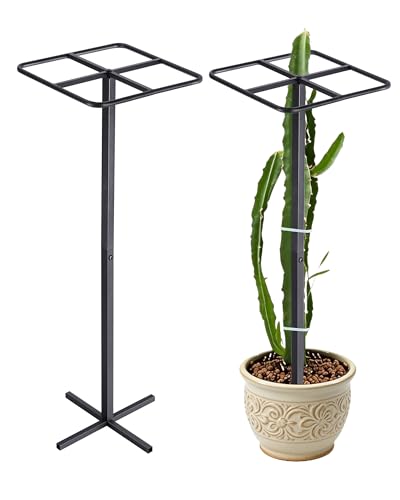
Square Top Design Unlike round trellis tops that let vines tangle together, our 4-section square top gives you four separate areas to train and separate your plants. This design improves air circulation and sunlight exposure while making pruning and harvesting easier.

Sturdy U-Shape Design for Maximum Stability: Our Cucumber Trellis for Raised Beds features a strong U-shaped arch that provides exceptional stability compared to traditional A-frame designs. This innovative garden arch trellis ensures that your plants get the support they need to grow tall and healthy while maximizing garden space for better plant growth and airflow.
Tips for Accelerating Kiwi Growth
To speed up the growth of your kiwi plants, follow these actionable tips:
Recommended Products

※Big Size to cover large area : The size of our plant cover is 10x30ft, the size can cover large areas. You can cut the plant covers freeze protection into different sizes for different use. You can cover it over the plant such as shrub tomato, pepper, pumpkin, and so on.

Product Features: Our plant covers are ideal for protecting all plant. Made from premium 1 oz/sq non-woven fabric, their durability and breathability ensuring both insulation against frost and facilitation of sunlight penetration for healthy plant growth

THICKER MATERIAL: Our plant freeze protection cover is made of UV stabilized polypropylene. Upgraded thicker 0.9oz./sq.yard lightweight but durable. Soft plant covers are friendly and no harm to your plants. Breathable non-woven fabric allow light, air go through the frost cloths and reach the plants.
Optimal Planting Location
Choose a sunny spot with well-draining soil to plant your kiwi vines. Ensure they receive at least 6-8 hours of sunlight daily for robust growth.
Proper Watering Techniques
Water your kiwi plants deeply but infrequently. Ensure the soil is moist but not waterlogged. During hot periods, increase watering frequency to keep the roots hydrated.
Fertilize Wisely
Use a balanced fertilizer to provide essential nutrients to your kiwi plants. Apply fertilizer in early spring and again in late spring or early summer to support healthy growth.
Adequate Pruning
Regularly prune your kiwi vines to promote airflow and sunlight penetration. Pruning helps in fruit production and maintains the overall health of the plants.
Introduce Pollination Helpers
Since kiwi plants need both male and female vines for pollination, consider planting at least one male vine for every 4-8 female vines to ensure a higher fruit yield.
Protect from Frost
If you live in a region prone to frost, shield your kiwi plants during the colder months with frost cloth or other protective coverings to prevent damage to young growth.
Mulching Matters
Apply a layer of organic mulch around the base of your kiwi plants to retain moisture, suppress weed growth, and regulate soil temperature for optimal growth.
Regular Inspections
Check your kiwi plants regularly for pests, diseases, and nutrient deficiencies. Early detection allows for prompt treatment, preventing damage to the plants.
Training the Vines
Train your kiwi vines on a trellis or other support structure to encourage upward growth and make harvesting easier. Proper training also aids in better fruit development.
By following these practical tips, you can accelerate the growth of your kiwi plants and enhance the chances of a successful harvest of delicious kiwi fruits.
Conclusion
You now have a solid understanding of the growth journey of kiwi plants, from germination to harvesting. By implementing the care practices and tips shared in this guide, you can help your kiwi plants thrive and yield delicious fruits. Remember to provide the right conditions, such as sunlight, water, and nutrients, while also considering factors like pruning and pollination. With patience and dedication, you’ll soon enjoy the rewards of your efforts as you watch your kiwi plants flourish. Happy gardening!
Frequently Asked Questions
What are the key growth stages of kiwi plants?
Kiwi plants go through key growth stages from germination to harvesting. Each stage plays a critical role in the plant’s development and eventual fruit production.
How does sunlight influence the growth of kiwi plants?
Sunlight is crucial for the growth of kiwi plants as it facilitates photosynthesis, the process through which plants produce energy. Kiwi plants require adequate sunlight to grow healthy and produce optimal fruit yields.
Why is proper watering essential for kiwi plants?
Proper watering is essential for kiwi plants to maintain adequate moisture levels in the soil, which is crucial for their growth and overall health. Overwatering or underwatering can lead to plant stress and hinder fruit production.
How does pruning help in accelerating kiwi plant growth?
Pruning is a vital practice for accelerating kiwi plant growth as it helps remove dead or overgrown branches, improves air circulation, and redirects the plant’s energy towards new growth and fruit production.
Why is fertilization important for kiwi plants?
Fertilization is important for kiwi plants as it provides essential nutrients for healthy growth and fruit development. A properly fertilized plant is more likely to grow vigorously and produce higher-quality fruits.
What are some tips for accelerating kiwi plant growth?
Some tips for accelerating kiwi plant growth include choosing an optimal planting location, proper watering techniques, wise fertilization, adequate pruning, introducing pollination helpers, protecting from frost, mulching, regular inspections, and training the vines on a support structure.
How can I increase the chances of a successful kiwi fruit harvest?
By following proper care practices, such as providing adequate sunlight, water, pruning, and feeding, and implementing the actionable tips for accelerating kiwi growth, you can increase the chances of a successful harvest of delicious kiwi fruits.
