

Ever wondered where those delicious kiwis come from? Picture this: you’re at the grocery store, eyeing the vibrant display of kiwis. But have you ever stopped to ponder whether they grow on trees or plants? In this article, we’ll uncover the mystery behind kiwi cultivation and clarify whether they sprout from trees or plants.
By exploring the growth process of kiwis, you’ll gain a deeper understanding of how these fuzzy fruits make their way to your kitchen. Understanding the origin of kiwis can enhance your appreciation for the effort that goes into producing these nutritious treats. So, let’s embark on this journey to discover the truth about where kiwis truly come from.
Key Takeaways
- Kiwis grow on vines, specifically on “actinidia” vines, not on trees or plants.
- Proper support for kiwi vines, such as trellises, is essential for optimal growth and fruit production.
- Care practices like pruning, sunlight exposure, and watering are crucial for cultivating healthy and flavorful kiwis.
- Selecting the right site, planting in early spring, and regular pruning are key best practices for successful kiwi cultivation.
- Monitoring for pests and diseases, harvesting when ripe, and storing properly are important steps in the kiwi cultivation process.
Kiwis: The Fruit of Debate
When it comes to kiwis, you might be wondering if they grow on trees or plants. Let’s clear up this debate once and for all. Kiwis are fascinating fruits that actually grow on vines. These vines are specifically known as “actinidia” vines, which is the botanical name for the kiwi plant.
Understanding that kiwis grow on vines is crucial for appreciating the labor behind producing these nutrient-rich fruits. The actinidia vines need proper support to thrive and produce the delicious kiwis you enjoy. Farmers often use trellises or other structures to support the vines and help them grow efficiently.
The vine-growing nature of kiwis means they require a certain amount of care to flourish. Proper pruning of the vines is essential for promoting healthy growth and maximizing fruit production. Additionally, ensuring adequate sunlight and water for the vines is key to growing plump and juicy kiwis.
So, the next time you bite into a ripe kiwi, remember that it came from a vine, not a tree. Embrace the uniqueness of these fruits and savor the flavor that comes from nature’s vine-grown bounty.
Understanding the Growth of Kiwis
Kiwis grow on vines, specifically on “actinidia” vines, rather than trees or plants. Understanding this unique growth pattern is essential to appreciate the labor that goes into cultivating these nutritious fruits. Farmers play a crucial role in supporting the kiwi vines to ensure optimal growth.
Supporting the Vines:
To aid the growth of kiwi vines, farmers use trellises. These structures provide support for the vines to climb and spread, allowing the kiwis to develop and ripen properly. By using trellises, farmers create a conducive environment for the vines to thrive.
Proper Care Practices:
Caring for kiwi vines involves various tasks such as pruning, ensuring adequate sunlight exposure, and providing sufficient water. Pruning helps in maintaining vine health and controlling growth, ensuring a bountiful harvest of delicious kiwis. Sunlight is crucial for photosynthesis, the process through which plants produce energy, while water is essential for overall vine health and fruit development.
Necessity of Pruning:
Pruning is a vital aspect of kiwi vine care. It involves removing excess foliage and unwanted branches to promote airflow, sunlight penetration, and better fruit production. Proper pruning not only helps in managing vine growth but also enhances the quality of the kiwis produced.
Embracing the Unique Flavor:
The distinctive flavor of vine-grown kiwis is a result of this specialized cultivation method. By understanding the growth process and the care involved, you can better appreciate the natural taste of kiwis. Embrace the uniqueness of vine-grown kiwis and enjoy their flavorful goodness.
Remember, by supporting the vines with trellises, practicing proper care techniques like pruning, and acknowledging the uniqueness of kiwi growth, you can savor the delicious taste of these fruits to the fullest.
Recommended Products

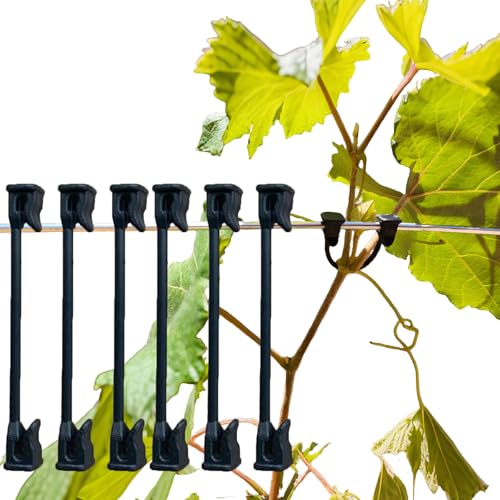
Material & Durability: Compatible for grape vine support, crafted from quality PP material for reusability, resistance to breakage, and easy distortion on vines without slipping when clipped to trellising twine.

This grape vine support is made of quality PP material, Can be reused,not easy to break,can be easily distorted and on the vine.Easily clips to trellising twine and doesn't slip.
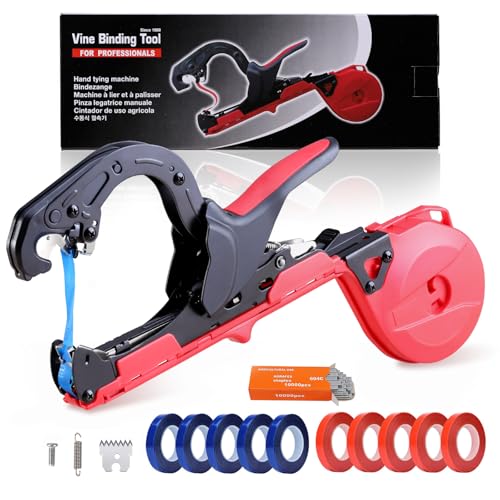
【Time-saving & Lightweight】Our plant tying machine tool features a 45mm opening for wider use on thicker branches. Weighing only 0.9lbs, It's lighter than traditional vine tying machines and can save up to 50% of labor time
Cultivating Kiwis: Best Practices
To cultivate kiwis successfully, there are some essential practices you should follow. Proper care and attention to detail are crucial in growing healthy, flavorful kiwis. Here are some best practices to help you in cultivating these delicious fruits:
Recommended Products

AMBIDEXTROUS DESIGN: Pruner shape is designed for both right and left-handed use while pruning indoor & outdoor plants such as shrubs, ornamental trees, vines, & flowers like roses; SoftGrip handle reduces hand fatigue & enhances comfort and control

ULTRA SHARP - Much less effort to cut branches with our pruning shears. Crafted from premium SK5 steel with titanium coating, our garden scissors and garden clippers boast exceptional durability and sharpness. A perfect pruning shears for gardening and a must-have garden tool, hedge clippers pruners for gardening

· ULTRA-SHARP SK5 STAINLESS STEEL - Engineered with premium SK5 stainless steel, these heavy duty pruning shears deliver razor-sharp precision and maximum hardness. The rust-resistant blades are designed to stay sharp longer, effortlessly resisting corrosion and sap buildup for smooth, friction-free garden shears performance year after year.
Selecting the Right Site
When planting kiwi vines, choose a location with well-draining soil and plenty of sunlight. Kiwis thrive in full sun and require a frost-free environment for optimal growth.
Planting Kiwi Vines
Start by planting kiwi vines in the early spring when the soil is workable. Ensure you space the vines adequately to allow for proper growth and support the plants with a sturdy trellis system.
Pruning for Growth and Fruit Production
Regular pruning is essential for promoting healthy vine growth and maximizing fruit production. Trim back excess foliage and old wood to encourage new growth and improve fruit quality.
Watering and Fertilizing
Kiwi vines need regular watering, especially during dry periods, to ensure proper fruit development. Additionally, fertilize the plants in early spring to provide essential nutrients for robust growth.
Pest and Disease Management
Monitor your kiwi vines regularly for pests and diseases. Take preventive measures to protect the plants from common issues like aphids and powdery mildew.
Harvesting Kiwis
Kiwis are ready to harvest when they are firm to the touch and have a sweet aroma. Carefully pick the fruits to avoid damaging them and store in a cool, dry place.
Harvesting Kiwis: Trees or Plants?
When it comes to harvesting kiwis, it’s essential to understand whether they grow on trees or plants. Kiwis actually grow on vines, not trees. The kiwi plant, also known as “actinidia,” is a vine that produces the delicious and nutritious kiwi fruit.
Understanding the growth habits of kiwis is crucial for successful cultivation. Farmers cultivate kiwis on trellises to support the vines’ growth and ensure optimal fruit production. Practices such as pruning, providing adequate sunlight exposure, and proper watering play key roles in producing juicy kiwis.
To maximize fruit production, it’s important to select the right site for planting kiwis. Choose a location with well-draining soil and ample sunlight to support healthy growth. Plant kiwi vines in early spring, ensuring proper spacing between plants and utilizing trellises for support as they grow.
Regular pruning is essential for promoting vine growth and encouraging fruit production. By pruning the vines carefully, you can ensure that the plant channels its energy into producing high-quality fruit. Additionally, proper watering and fertilizing practices help keep the kiwi plants healthy and productive.
Managing pests and diseases is also crucial in kiwi cultivation. Keep an eye out for common pests like aphids and scale insects, as well as diseases such as bacterial canker. Implement appropriate pest control measures to protect your kiwi vines and ensure a bountiful harvest.
When it comes to harvesting kiwis, timing is key. Kiwis are typically ready for harvest when fully ripe, which is indicated by their firmness and flavor. Harvest the fruits carefully to avoid damaging them and enjoy the delicious rewards of your successful kiwi cultivation efforts.
By following these best practices for harvesting kiwis from vines, you can enjoy a plentiful harvest of flavorful and nutritious fruits. Remember to provide the necessary care and attention to your kiwi plants throughout the growing season to ensure optimal fruit production.
Recommended Products

Product Packaging: 1 set of chain trellies for climbing plant (includes 10 black stars, 10 black moons, 20 Metal Spring O Rings Clip, 6 traceless hooks, 6 traceless nails, 6 plastic-coated hooks, and 10 zip ties).
❄ 【Material】The belt is made of pp plastic material, high toughness, corrosion resistance, temperature resistance, long service life.

Extended Natural Bamboo Chain Trellis for Indoor Climbing Plants: This light hanging chain potted plant trellis indoor features approximately 1.8 meters (6 feet) length with 20 interlinked bamboo rings, serving as an ideal climbing plant support indoor, pothos climbing support, vining plant support, and mini trellis for potted plants. Perfect as a hanging chain for plants or chain for hanging plants to help your houseplants grow tall and healthy
Conclusion
You’ve learned that kiwis grow on vines, not trees. By following the tips on selecting the right site, proper planting, regular pruning, and effective pest management, you can ensure a bountiful harvest of juicy kiwis. Remember to provide adequate sunlight, water, and nutrients for optimal fruit production. Harvest your kiwis at the right time to savor their delicious flavor and reap the nutritional benefits. With these practices in mind, you’ll be on your way to successfully cultivating your own kiwi vine and enjoying the fruits of your labor. Happy gardening!
Frequently Asked Questions
Q: What is the best time to plant kiwi vines?
A: The best time to plant kiwi vines is in early spring when the soil is workable, ensuring a head start for optimal growth and fruit production.
Q: How should I support kiwi vines for growth?
A: Kiwi vines need proper trellis support to thrive, allowing them to climb and spread out for sunlight exposure and efficient fruit development.
Q: Why is pruning essential for cultivating kiwis?
A: Pruning is crucial for kiwi vine growth and fruit production, as it helps control size, increase sunlight exposure, and promote healthy fruit-bearing branches.
Q: How can I ensure my kiwis are juicy and flavorful?
A: To ensure juicy and flavorful kiwis, maintain consistent watering, provide sufficient sunlight, and follow proper pruning techniques for enhanced fruit quality.
Q: What is the significance of pest and disease management in kiwi cultivation?
A: Effective pest and disease management is vital in kiwi cultivation to protect plants from harmful infestations and diseases, ensuring robust growth and abundant fruit production.
Q: When is the right time to harvest kiwis for optimal taste?
A: Harvest kiwis when they are ripe but firm to the touch, typically in late autumn, to enjoy flavorful and nutritious fruits at their peak ripeness.
