

Do you ever wonder how to ensure your kiwi plant thrives and bears delicious fruit? Picture this: you’ve just brought home a young kiwi plant, excited to watch it grow, but you’re not quite sure how to care for it properly. In this article, you’ll discover simple yet effective tips to nurture your kiwi plant to its full potential.
By learning the essentials of kiwi plant care, you’ll not only enjoy a lush and vibrant garden addition but also relish the satisfaction of harvesting your own homegrown kiwis. Whether you’re a seasoned gardener or a novice plant enthusiast, mastering the art of tending to your kiwi plant can be a rewarding experience. Stay tuned to uncover the secrets to fostering a healthy and fruitful kiwi plant right in your backyard.
Key Takeaways
- Select a location with full sun exposure, well-draining soil, shelter from wind, good air circulation, and ample space for your kiwi plant to thrive.
- Provide at least 6-8 hours of direct sunlight daily and water deeply but infrequently to maintain optimal growth.
- Fertilize your kiwi plant with a balanced fertilizer in early spring and follow pruning techniques to shape the plant and enhance fruit production.
- Protect your kiwi plant from pests and diseases by inspecting regularly, maintaining cleanliness, using natural predators, neem oil spray, copper fungicide, proper watering, and ensuring healthy soil.
- Harvest ripe kiwi fruits by gently squeezing them, storing them at room temperature until ripe, then refrigerating them, or freezing for extended shelf life.
- Transport kiwi fruits carefully in a single layer in a sturdy box to prevent bruising or damage.
Selecting the Right Location for Your Kiwi Plant
When choosing the location for your kiwi plant, it’s essential to consider several factors to ensure its optimal growth and fruit production. Here are some key guidelines to help you select the right spot for your kiwi plant:
Sunlight Exposure
Adequate sunlight is crucial for the healthy development of your kiwi plant. Select a location that receives full sun exposure, as kiwi plants thrive in bright sunlight. Aim for at least 6 to 8 hours of direct sunlight daily to promote robust growth and fruitful yields.
Soil Quality
Kiwi plants prefer well-draining soil rich in nutrients. Opt for loamy soil with a slightly acidic pH level between 5.5 and 7.0 for optimal growth. Conduct a soil test to assess the pH level and nutrient content of the soil in your chosen location. If needed, amend the soil with organic matter to improve its quality before planting your kiwi.
Shelter from Wind
While kiwi plants enjoy sunlight, they are sensitive to strong winds. Plant your kiwi in a location sheltered from strong winds to prevent damage to the delicate vines and leaves. Consider planting your kiwi plant near a fence or a windbreak to shield it from strong gusts and protect its growth.
Air Circulation
Good air circulation is essential for preventing diseases and promoting healthy growth in kiwi plants. Avoid planting kiwi in areas with stagnant air or high humidity, as this can lead to fungal diseases. Choose a location with adequate air movement to keep your kiwi plant’s foliage dry and disease-free.
Space Requirements
Kiwi plants are vigorous climbers and can grow quite large. Ensure you select a location that allows ample space for the plant to spread its vines without overcrowding. Consider installing a sturdy trellis or support system for the vines to climb and expand vertically, optimizing space usage while promoting better fruit production.
By considering these factors when selecting the right location for your kiwi plant, you can lay a solid foundation for its growth and ensure a bountiful harvest of delicious kiwis. Remember, a well-chosen location sets the stage for a thriving and productive kiwi plant in your garden.
Providing Proper Sunlight and Watering for Kiwi Plant
Ensuring your kiwi plant receives adequate sunlight and watering is essential for its healthy growth and fruit production. Here’s how you can provide the proper care:
Sunlight Requirements
- Full Sun Exposure: Kiwi plants thrive in full sunlight, which means they need at least 6-8 hours of direct sunlight daily.
- South-facing Position: Place your kiwi plant in a south-facing location to maximize sun exposure throughout the day.
- Avoid Shade: Keep your kiwi plant away from shaded areas or structures that can block sunlight, hindering its growth.
- Regular Watering: Kiwi plants require consistent moisture, especially during the growing season. Water deeply but infrequently, allowing the soil to dry out slightly between waterings.
- Avoid Waterlogging: Ensure proper drainage to prevent waterlogging, which can lead to root rot and other issues.
- Mulching: Adding a layer of mulch around the base of the plant helps retain moisture and regulate soil temperature.
By prioritizing proper sunlight exposure and regular watering, you can set the stage for your kiwi plant to flourish and yield delicious fruits. Remember, maintaining a balance between sunlight and water is key to ensuring the optimal health of your kiwi plant.
Fertilizing and Pruning Tips for Healthy Kiwi Plants
When it comes to maintaining healthy kiwi plants, proper fertilizing and pruning play crucial roles. Here are some essential tips to ensure your kiwi plants thrive and yield delicious fruits.
Recommended Products

🌱 COMPREHENSIVE PLANT NUTRITION: The 10-10-10 in our liquid plant fertilizer signifies a balanced blend of Nitrogen (N), Phosphorus (P), and Potassium (K), each contributing 10% to the total composition. Nitrogen is essential for promoting lush, vibrant foliage and overall growth, while Phosphorus is integral to root development and crucial for blooming and fruiting. Potassium, responsible for overall plant health.
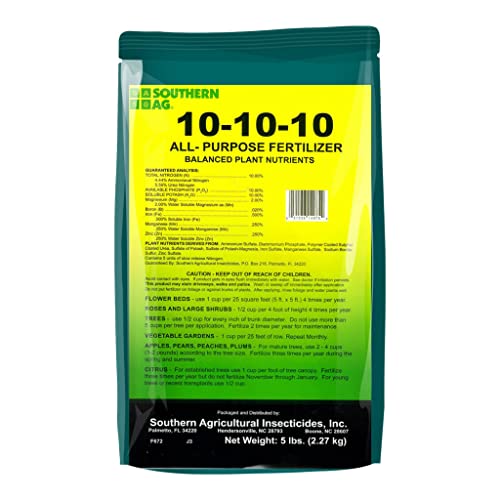

🌿 Balanced 10-10-10 Granular Fertilizer for Outdoor & Indoor Plants: All-purpose plant food with 10% Nitrogen, 10% Phosphorus, and 10% Potassium. Perfect for outdoor vegetable gardens, fruit trees, evergreens, shrubs, lawns, and flowers. Also great for potted plants and indoor gardening. One solution for all your plant needs!
1. Fertilizing Tips:
Fertilizing is key to providing your kiwi plants with essential nutrients for robust growth and fruit development. Here’s what you need to know:
- Timing: Fertilize your kiwi plants in the early spring before new growth appears.
- Fertilizer Type: Use a balanced fertilizer, such as a 10-10-10 formula, to provide a mix of nitrogen, phosphorus, and potassium.
- Application: Spread the fertilizer evenly around the drip line of the plant, avoiding direct contact with the trunk.
- Quantity: Follow the recommended dosage instructions on the fertilizer package for optimal results.
- Frequency: Repeat the fertilization process every 4-6 weeks during the growing season to support continuous growth.
2. Pruning Tips:
Pruning is essential for shaping the plant, promoting air circulation, and maximizing fruit production. Follow these pruning tips for healthy kiwi plants:
- Winter Pruning: Perform major pruning during the dormant winter season to remove dead or overgrown branches.
- Summer Pruning: In summer, focus on minor pruning to control the plant’s growth and direct energy towards fruit production.
- Tools: Use sharp, clean pruning shears to make precise cuts without damaging the plant.
- Technique: Cut at a 45-degree angle just above a bud to encourage new growth in the desired direction.
- Thinning: Thin out excess growth to enhance sunlight penetration and airflow within the canopy.
By following these fertilizing and pruning tips, you’ll support the overall health and productivity of your kiwi plants. Remember, a well-maintained plant is more likely to reward you with an abundant harvest of flavorful kiwis.
Protecting Kiwi Plants from Pests and Diseases
To safeguard your kiwi plants from pests and diseases, follow these essential tips:
Recommended Products

FUNGAL DISEASE CONTROL: Prevents and controls black spot on roses, powdery mildew, rust, downy mildew, and other listed fungal diseases when applied on a 7–14 day schedule

PLANT DISEASE CONTROL: Natria Neem Oil acts as an insecticide and fungicide in one convenient spray; Ready-to-use trigger sprayer requires no mixing

Protect your oasis with Captain Jack’s Neem Max Ready-to-Use Spray; this multipurpose product acts as a 4-in-1 insecticide, fungicide, miticide and nematicide
Inspect Regularly
Inspect your kiwi plants regularly for any signs of pests or diseases. Look out for common issues such as aphids, mites, scale insects, powdery mildew, and bacterial canker. Early detection is key to preventing widespread damage.
Maintain Cleanliness
Keep the area around your kiwi plants clean and free of debris. Remove fallen leaves, fruits, and any plant material that could harbor pests or diseases. Prune any dead or diseased branches promptly to prevent the spread of infections.
Use Natural Predators
Introduce beneficial insects such as ladybugs and lacewings to your garden to control pest populations naturally. These predators can help keep common kiwi plant pests like aphids in check without the need for chemical intervention.
Neem Oil Spray
Consider using neem oil spray as a natural and effective way to combat pests on your kiwi plants. Neem oil disrupts the feeding and breeding patterns of insects, making it an eco-friendly option for pest control.
Copper Fungicide
For fungal diseases like powdery mildew and bacterial canker, apply copper fungicide according to the manufacturer’s instructions. Copper fungicides can help prevent the spread of diseases and protect the overall health of your kiwi plants.
Proper Watering
Avoid overwatering your kiwi plants, as excess moisture can create conditions favorable for fungal diseases. Water the plants at the base to keep the foliage dry and reduce the risk of infections.
Healthy Soil
Maintain healthy soil by ensuring proper drainage and adequate nutrients for your kiwi plants. Healthy soil promotes strong root growth and overall plant health, making them more resilient to pests and diseases.
By following these tips, you can proactively protect your kiwi plants from pests and diseases, ensuring their long-term health and productivity in your garden.
Harvesting and Storing Kiwi Fruits
When it comes to harvesting and storing kiwi fruits, it’s essential to do it correctly to enjoy the fruits of your labor. Here are some key points to keep in mind:
Determining Ripeness
To ensure you pick kiwi fruits at the peak of perfection, gently squeeze the fruit. It should yield slightly without being too soft. Additionally, ripe kiwis will have a sweet fragrance.
Harvesting
When harvesting kiwi fruits, use sharp scissors or pruning shears to clip the fruits from the vine carefully. Leave a small portion of the stem attached to the fruit; this helps in storing them longer.
Storing Fresh Kiwis
Store fresh kiwi fruits at room temperature until they ripen, after which they can be refrigerated. If you have ripe kiwis that you’re not ready to eat, place them in the refrigerator. Ensure they’re not kept near fruits like apples or bananas, as these release ethylene gas, which can overripen the kiwis.
Extending Shelf Life
To extend the shelf life of kiwi fruits, you can freeze them. Peel the kiwis, slice or mash them as desired, then store them in airtight containers or freezer bags. Frozen kiwi can be a great addition to smoothies or desserts.
Checking for Spoilage
Regularly inspect stored kiwi fruits for any signs of spoilage such as mold or mushy texture. If you notice any spoiled fruits, remove them immediately to prevent the spread of the spoilage.
Properly Packing for Transportation
If you need to transport kiwi fruits, pack them carefully in a single layer in a sturdy box. Ensure they are not overcrowded, which can cause bruising or damage.
Conclusion
Taking care of your kiwi plant is essential for its growth and fruit production. Remember to provide the right conditions, such as sunlight, soil quality, and shelter. Fertilize and prune your plant correctly to ensure its health. When it comes to harvesting, make sure to pick the fruits at the right time and store them properly to enjoy them for longer. By following these care tips, you can nurture your kiwi plant to thrive and yield delicious fruits. Happy gardening!
Frequently Asked Questions
Q: How can I choose the right location for planting kiwi plants?
A: When choosing a location for kiwi plants, consider factors like sunlight exposure, soil quality, wind shelter, air circulation, and space requirements.
Q: What are some essential care tips for fertilizing and pruning kiwi plants?
A: Fertilize kiwi plants with a balanced fertilizer in early spring and conduct major pruning in winter to support healthy growth and fruit production.
Q: How should I harvest and store kiwi fruits properly?
A: Harvest kiwi fruits when ripe using sharp tools, store them at room temperature before refrigeration, extend shelf life by freezing, check for spoilage, and pack them well for transportation.
