

Ever wondered how big a dragon fruit tree really gets? If you’re thinking about growing one or just curious about this unique plant, you’re not alone. Many people are fascinated by the vibrant fruit and striking appearance of the dragon fruit tree, but its size can be surprising.
Key Takeaways
- Height and Width: Dragon fruit trees can grow between 5 to 20 feet tall and spread up to 10 feet wide, depending on their age and growing conditions.
- Climate Needs: Ideal growth occurs in warm climates with temperatures between 70°F and 100°F, receiving at least 6 hours of direct sunlight daily.
- Soil Requirements: Use well-draining sandy soil with a pH of 6 to 7, avoiding heavy or compacted soil to promote healthy root development.
- Support Structures: Install sturdy trellises for support, as these climbing cacti require assistance to manage their growth effectively.
- Care Practices: Regular watering, optimal fertilization every 4 to 6 weeks, and timely pruning during spring are crucial for promoting healthy growth and maximizing fruit yield.
- Pest Monitoring: Keep an eye out for pests and disease, applying organic fungicides when necessary to sustain the tree’s health and vitality.
Overview of Dragon Fruit Trees
Dragon fruit trees, or Hylocereus, thrive in warm climates, typically growing in subtropical and tropical regions. These trees are actually climbing cacti, often requiring support structures like trellises.
Recommended Products

Durable And Long-lasting : Our dragon fruit plant rack is designed specifically for climbing plants such as dragon fruit. This dragon fruit trellis is forged from high-quality metal materials and has excellent durability, ensuring reliable support under various indoor and outdoor conditions.

【Durable Metal Construction】This dragon fruit plant rack is made of high-quality metal, sturdy and durable. This dragon fruit trellis has excellent weather resistance, providing strong support for the healthy growth of your climbing plants both indoors and outdoors.

- Multi-functional: Our dragon fruit trellis is specifically designed for vertical support for dragon fruit plants as well as any climbing plants or ornamental trees.
Size and Growth
Dragon fruit trees can reach heights of up to 20 feet (6 meters) or more, depending on growing conditions and care. They can spread broad, with some varieties extending 10 feet (3 meters) wide. When properly maintained, these trees yield fruit within 1 to 3 years after planting.
Care Requirements
Watering: Water the trees regularly but avoid over-saturation. The soil should remain moist but not waterlogged. Aim for a balance to promote healthy growth.
Sunlight: Position your dragon fruit tree in an area with at least 6 hours of sunlight daily. Adequate light contributes to fruit production and overall plant health.
Soil Type: Use well-draining soil to prevent root rot. A mix of sand or perlite with organic compost works well.
Support Structures
Trellises: Install sturdy trellises to support the climbing nature of the dragon fruit tree. Use materials like wood or metal to withstand the plant’s growth and weight.
Spacing: When planting multiple trees, allow at least 6 feet (1.8 meters) between them for adequate airflow and sunlight exposure.
Preventing Pests and Diseases
Monitoring: Regularly inspect your dragon fruit tree for signs of pests like mealybugs or aphids. Early detection allows for effective control.
Fungicides: Use organic fungicides if you observe fungal issues, ensuring you apply them according to package instructions for safety and efficacy.
By understanding the size and care needs of dragon fruit trees, you’ll foster healthy plants that can produce vibrant fruit.
Factors Affecting Size
The size of a dragon fruit tree depends on several crucial factors. Understanding these influences can help you optimize growth and maximize fruit production.
Climate Conditions
Climate plays a significant role in the size of your dragon fruit tree. Ideal conditions include warm temperatures, typically between 70°F and 100°F (21°C and 38°C). Trees thrive in areas with full sun exposure for at least six hours daily. If temperatures drop below 32°F (0°C), growth may slow, and the tree could suffer. For the best results, aim for a humid environment, but avoid excessive rainfall to prevent root rot.
Soil Type
Soil type affects root development, which is critical for tree size. Dragon fruit trees prefer sandy, well-draining soil with a pH level of 6 to 7. Heavy clay or compacted soil can hinder growth. Consider amending your soil with organic matter or compost to enhance drainage and nutrient availability. Regular testing of soil quality helps ensure your plants receive the necessary conditions to flourish.
Tree Age
Tree age significantly impacts overall size and fruit production. Younger trees, typically under three years, may reach heights of about 5 to 10 feet (1.5 to 3 meters). As the tree matures, it can grow up to 20 feet (6 meters) or more. Patience is vital, as mature trees yield fruit more abundantly. With proper care and optimal conditions, you can expect substantial height and fruiting from your dragon fruit tree in just a few years.
Typical Dimensions
Dragon fruit trees exhibit impressive dimensions, making them a striking addition to any garden. Understanding their typical height and width helps you plan for their growth in your space.
Height of Dragon Fruit Trees
Dragon fruit trees commonly reach heights between 5 to 20 feet (1.5 to 6 meters). Younger trees often stand at 5 to 10 feet (1.5 to 3 meters) tall. As they mature, their height can exceed 20 feet (6 meters) in optimal conditions. For best results, ensure your trees receive plenty of sunlight and proper care to encourage maximum growth.
Width and Spread
Dragon fruit trees can spread up to 10 feet (3 meters) wide. Their sprawling nature requires ample space for growth. When planting, maintain a distance of at least 6 feet (1.8 meters) between trees to allow room for width and support their climbing habits. Using sturdy trellises also aids in managing their spread and promotes healthy growth.
Care and Maintenance
Caring for your dragon fruit tree is essential for healthy growth and fruit production. Focus on pruning techniques and optimal growing conditions to ensure your tree thrives.
Recommended Products

Reduce Hand Strain: These micro tip snips are made to reduces hand fatigue which makes them great for those with arthritis, carpal tunnel, hand or wrist issues; Comfortable “grip” handles will make it easy to work for long-time use without making you feel hand pain
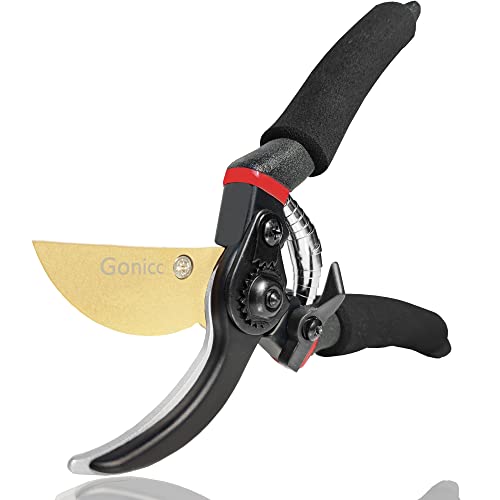
Drop-forged construction delivers exceptional durability and sturdiness for long-term heavy garden use.

LONG-LASTING SHARPNESS: Japanese SK5 bypass blade with titanium coating is tested through 5,000 cuts to maintain a sharp edge and deliver clean, consistent cuts on live stems and branches
Pruning Techniques
Pruning your dragon fruit tree enhances its structure and improves fruit yield. Follow these steps for effective pruning:
- Timing: Prune during the spring, just before the growing season starts.
- Tools: Use clean, sharp pruning shears to prevent disease transmission.
- Remove Excess Growth: Cut back any leggy or overgrown stems to about 1 to 2 feet (30 to 60 cm) long, ensuring the plant remains manageable.
- Eliminate Diseased or Damaged Stems: Take out any stems showing signs of disease or damage to protect the overall health of the tree.
- Encourage New Growth: Prune branches that have produced fruit to encourage new growth and additional fruiting cycles.
Optimal Growing Conditions
Dragon fruit trees thrive in specific growing conditions. Ensure you provide the following:
- Sunlight: Ensure your tree gets at least 6 hours of direct sunlight daily for optimal growth.
- Temperature: Maintain warm temperatures between 70°F and 100°F (21°C to 38°C). Avoid temperatures below 32°F (0°C) to prevent damage.
- Soil: Use sandy, well-draining soil to promote healthy root development. A soil pH between 6 and 7 is ideal.
- Watering: Water the tree regularly, allowing the soil to dry out between waterings. Aim for deep watering, approximately once every week in the growing season.
- Fertilization: Apply a balanced fertilizer every 4 to 6 weeks during the growing season to support growth and fruit production.
By following these care and maintenance tips, you can create an optimal environment for your dragon fruit tree, ensuring vibrant growth and bountiful harvests.
Conclusion
Growing a dragon fruit tree can be a rewarding experience. With the right care and conditions you can enjoy the unique beauty and delicious fruit of this remarkable plant. Remember to provide ample sunlight and well-draining soil to support its growth.
As your tree matures you’ll be amazed at how tall and wide it can become. By staying attentive to its needs you’ll not only foster a healthy tree but also increase your chances of a bountiful harvest. Embrace the journey of nurturing your dragon fruit tree and watch it thrive in your garden.
Frequently Asked Questions
What is the ideal size for dragon fruit trees?
Dragon fruit trees typically reach heights of 5 to 20 feet (1.5 to 6 meters) and can spread up to 10 feet (3 meters) wide. Younger trees grow between 5 and 10 feet (1.5 to 3 meters) tall, while mature trees can exceed 20 feet (6 meters) with proper care.
How much sunlight do dragon fruit trees need?
Dragon fruit trees require at least 6 hours of direct sunlight daily. This exposure is crucial for their growth and fruit production, as they thrive in warm climates with full sun.
What kind of soil is best for dragon fruit trees?
Sandy, well-draining soil is ideal for dragon fruit trees. Good drainage is essential to support root development and prevent over-saturation, which can lead to root rot.
How often should I water dragon fruit trees?
Water dragon fruit trees regularly, providing deep watering without over-saturation. Ensure the soil dries out slightly between watering sessions to maintain healthy root systems.
When do dragon fruit trees produce fruit?
Dragon fruit trees typically yield fruit within 1 to 3 years after planting. Mature trees can produce more abundantly, especially when grown under optimal conditions.
What are some care tips for dragon fruit trees?
Care tips include ensuring at least 6 hours of sunlight daily, using well-draining soil, deep watering regularly, and fertilizing every 4 to 6 weeks during the growing season. Sturdy trellises are also recommended to support their climbing growth.
How should I space dragon fruit trees?
Space dragon fruit trees at least 6 feet (1.8 meters) apart. This allows for adequate air circulation and room for their sprawling nature as they grow.
What factors influence the size of dragon fruit trees?
Factors include climate conditions, soil type, and tree age. Warm temperatures, full sun, and well-draining soil contribute to healthy growth and the potential for larger trees.
