

Have you ever wondered how long it takes for a lemon tree to bear fruit? If you’ve planted one or are thinking about it, you’re probably eager to see those bright yellow lemons hanging from the branches. Growing a lemon tree can be a rewarding experience, but the timeline for fruit production can vary.
Key Takeaways
- Varieties of Lemon Trees: Different types of lemon trees, such as Eureka, Lisbon, Meyer, and Ponderosa, have unique characteristics and growing requirements that can affect fruit production.
- Optimal Growing Conditions: Lemon trees thrive in full sunlight (at least 8 hours daily), well-draining slightly acidic soil, and temperatures ranging from 70°F to 85°F.
- Time to Fruit Production: Lemon trees grown from seeds can take 3 to 5 years to bear fruit, while grafted lemon trees can produce fruit within 1 to 2 years for faster yields.
- Impact of Soil Quality: Good soil quality, including proper pH levels (5.5 to 6.5) and drainage, is essential for healthy root growth and fruit production.
- Watering and Fertilization Practices: Watering should be deep but infrequent, with plants receiving a balanced fertilizer every 4-6 weeks during the growing season to support growth.
- Pruning for Health: Regular pruning in late winter or early spring helps improve tree structure, promotes airflow, and enhances fruit quality, ensuring a bountiful harvest.
Understanding Lemon Trees
Lemon trees are popular for their fragrant blossoms and tangy fruit. Knowing the varieties and ideal growing conditions helps ensure successful cultivation.
Types of Lemon Trees
You can find several types of lemon trees, each with unique characteristics. The most common include:
- Eureka Lemon Tree: Known for its juicy fruit and year-round harvest. This variety thrives in warm climates.
- Lisbon Lemon Tree: Similar to the Eureka, it produces large, tart lemons and is highly resistant to disease.
- Meyer Lemon Tree: A smaller tree that yields sweeter, less acidic lemons. It’s well-suited for container gardening and indoor growth.
- Ponderosa Lemon Tree: This tree produces large, thick-skinned lemons. It’s often grown for ornamental purposes due to its size.
Each variety contributes distinct flavors and garden aesthetics, allowing you to choose based on your taste and space.
Growing Conditions
Lemon trees thrive under specific growing conditions. To optimize growth and fruit production, consider the following:
- Sunlight: Position the tree in a spot that receives at least eight hours of direct sunlight daily. Adequate sunlight boosts flowering and fruiting.
- Soil: Use well-draining, sandy loam soil with a slightly acidic pH of 5.5 to 6.5. This supports healthy root development.
- Watering: Water the tree deeply but infrequently. Allow the top few inches of soil to dry out before the next watering. Overwatering can lead to root rot.
- Temperature: Lemon trees prefer temperatures between 70°F and 85°F. Protect them from frost and extreme heat.
Creating the right environment ensures that your lemon tree grows strong and eventually bears fruit.
Factors Affecting Growth
Various factors affect how long it takes for a lemon tree to bear fruit. Understanding these can help you cultivate a thriving lemon tree.
Recommended Products

Kindly NOTE: This soil tester can not be applied to test pH value of any other liquid. If the soil is too dry the indicator will not move, and water it before testing.

Accurate Soil pH Testing: Dewildetradingco Soil pH Test Strips offer measurements of soil pH levels (pH 3.5-9). As an essential tool for every gardener and grower, these test strips help determine the optimal pH for various plants, such as outdoor plants, indoor plants, gardens, grass lawns, fruit trees, flowers, vegetables, and forest shrubs.

Made For Potted Citrus Trees: Our citrus potting soil mix is made for potted lemon, lime, orange and other citrus trees that need a lighter growing medium for repotting. We double-screen all of our raw ingredients to support a cleaner, more consistent texture for pouring and repotting potted citrus trees.
Climate and Temperature
Lemon trees prefer warm, sunny climates. Ideal temperatures range from 70°F to 100°F (21°C to 38°C). If temperatures dip below 50°F (10°C), growth slows. If possible, plant your tree in a location with full sun exposure for at least eight hours daily. Also, consider protecting your tree from frost, as prolonged cold can damage buds and delay fruit production.
Soil Quality
Well-draining soil is crucial for lemon trees. Aim for sandy or loamy soil that’s slightly acidic, with a pH between 5.5 and 6.5. Poor soil can lead to root rot and stunted growth. To improve soil quality, you can amend it with organic matter, such as compost or aged manure. Conduct a soil test to check drainage and pH levels, ensuring optimal conditions for your lemon tree’s growth.
Timeline for Growing Fruit
Growing a lemon tree takes time and care, but understanding the timeline can help manage your expectations. The journey from planting a seed to harvesting fruit varies depending on several factors.
From Seed to Fruit
If you start from seed, expect a long wait. Lemon trees can take three to five years to bear fruit. First, seeds germinate within two to three weeks under optimal conditions. Once seedlings develop, they require nurturing, including proper watering and sunlight. After around 12 to 18 months, young lemon trees might show signs of flowering. However, patience is key, as fruit production may not begin until the tree matures.
Grafting and Its Benefits
Grafting significantly accelerates the timeline for fruit production. By grafting a lemon tree onto a rootstock, you can produce fruit in as little as 1 to 2 years. This technique allows the tree to inherit desirable traits from both the rootstock and the scion, such as disease resistance and faster growth. Grafted trees often show more robust health and can produce lemons faster than those grown from seed. Choosing a grafted tree can provide earlier harvests and a better-quality crop.
Care and Maintenance
Caring for a lemon tree is essential for promoting healthy growth and encouraging fruit production. Knowing how to properly maintain your tree can lead to thriving plants and abundant harvests.
Recommended Products

Made for Lemon & Citrus Trees – Formulated to support healthy growth in lemon and citrus plants.
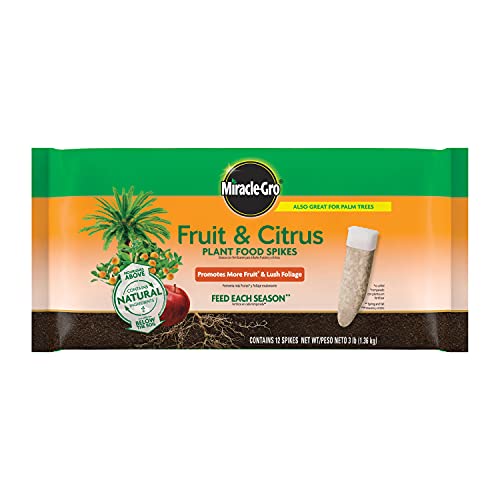
FORMULATED FOR CITRUS AND FRUIT TREES: Use these citrus fertilizer spikes on apple, orange, lemon, lime, and avocado trees; this formula is also great for feeding palm trees

Package contains 4 Pounds organic fruit and citrus fertilizer grains and is produced to avoid wasteful runoff, mess, hazards and smells
Watering and Fertilization
Watering a lemon tree requires careful attention. Water deeply but infrequently, allowing the soil to dry out between watering sessions. Aim for moisture around 2-3 inches below the surface. During hot weather, this may mean watering once every week, while cooler months might require less frequent watering.
Fertilization plays a crucial role in the health of your tree. Use a balanced fertilizer, such as a 10-10-10 NPK blend, every 4-6 weeks during the growing season. Follow package instructions for proper application rates. Organic options like fish emulsion or compost also benefit lemon trees. Maintain a consistent fertilization schedule to encourage strong growth and fruit production.
Pruning Techniques
Pruning helps shape your lemon tree and promotes airflow, which is vital for disease prevention. Prune during the dormant season, typically in late winter or early spring. Focus on removing dead, damaged, or crossing branches to improve the tree’s structure.
Make clean cuts at a 45-degree angle, just above a bud or branch junction. This technique prevents water from pooling and encourages healthy growth. Aim for an open center, allowing sunlight to penetrate and air to circulate. Regular pruning enhances accessibility for harvest and improves overall fruit quality.
Conclusion
Growing a lemon tree can be a delightful journey that requires patience and care. Whether you choose to start from seed or opt for a grafted tree, understanding the timelines and conditions for fruit production is key.
With the right sunlight soil and watering techniques you’ll be well on your way to enjoying fresh lemons right from your backyard. Remember to nurture your tree and give it the attention it needs to thrive. Before you know it you’ll be harvesting your own lemons and adding a splash of citrus to your life. Happy gardening!
Frequently Asked Questions
How long does it take for a lemon tree to bear fruit?
Lemon trees typically take about 3 to 5 years to bear fruit when grown from seeds. If you graft the tree, it can produce fruit in just 1 to 2 years. The growing conditions you provide also play a crucial role in how quickly the tree starts fruiting.
What are the best growing conditions for a lemon tree?
Lemon trees thrive in warm, sunny climates with temperatures between 70°F to 100°F (21°C to 38°C). They require full sun for at least eight hours daily, well-draining slightly acidic soil (pH 5.5 to 6.5), and protection from frost to promote healthy growth and fruit production.
What types of lemon trees are there?
Common types of lemon trees include Eureka, Lisbon, Meyer, and Ponderosa. Each type has unique characteristics and is suited to different growing environments. The Meyer lemon is particularly popular for its sweet flavor and compact size, making it ideal for home gardens.
How often should I water a lemon tree?
Lemon trees require deep but infrequent watering. It’s best to maintain soil moisture about 2-3 inches below the surface. This helps prevent root rot while ensuring the tree absorbs enough water, especially during dry spells.
When is the best time to prune a lemon tree?
The best time to prune a lemon tree is during its dormant season, typically in late winter or early spring. Pruning during this time helps improve the tree’s shape and structure, promotes air circulation, and can enhance fruit production.
