

Have you ever wondered how long it takes for a banana tree to bear fruit? If you’ve ever considered growing your own bananas, this question is key. After all, you want to enjoy those sweet, tropical treats as soon as possible.
Key Takeaways
- Fruit Production Timeline: Banana trees typically produce fruit within 9 to 15 months after planting, influenced by various factors such as climate and soil quality.
- Growing Conditions: Optimal growth requires warm temperatures (75°F to 95°F), well-draining nutrient-rich soil, consistent watering, and at least 12 hours of sunlight daily.
- Types of Banana Trees: Common varieties include Cavendish, Apple Banana, Red Banana, and Dwarf Varieties, each with different growth characteristics and flavors.
- Growth Stages: The banana tree lifecycle includes seed germination (2-3 weeks), vegetative growth (6-12 months), flowering (7-12 months), and fruit maturing (3-4 months).
- Care and Maintenance: Regular watering, fertilization, and pest management are crucial for healthy banana trees and maximum fruit yield.
- Environmental Factors: Factors such as soil quality, watering regimen, and sunlight exposure play a significant role in the speed of fruit production.
Understanding Banana Trees
Banana trees are fascinating plants, known for their rapid growth and tropical appeal. They thrive in specific conditions, which can significantly affect their fruit production.
Types of Banana Trees
Several types of banana trees exist, each suited for different purposes. The most common types include:
- Cavendish: This type dominates commercial banana farming. It’s known for its sweet flavor and sturdy structure.
- Apple Banana: Smaller and sweeter than Cavendish, this variety has a unique flavor profile.
- Red Banana: Distinct for its reddish-purple skin, this variety has a creamier texture and slightly tangy taste.
- Dwarf Varieties: These varieties grow shorter, making them suitable for limited spaces, while still yielding delicious fruit.
Growing Conditions
To grow banana trees successfully, you need optimal conditions. Focus on the following requirements:
- Climate: Banana trees thrive in warm, tropical climates with temperatures between 75°F to 95°F. Avoid frost, as it’s detrimental to their growth.
- Soil: Use well-draining, nutrient-rich soil. Sandy loam mixed with organic matter works best.
- Watering: Keep the soil consistently moist. Deep watering once a week often suffices, but increase frequency during hot periods.
- Sunlight: Ensure your banana tree receives full sunlight. Aim for at least 12 hours of direct sunlight daily.
By understanding the types of banana trees and their growing conditions, you can create an ideal environment for fruit production.
Life Cycle of a Banana Tree
A banana tree’s life cycle involves several distinct phases. Understanding these stages helps you anticipate how long it takes for your tree to produce fruit.
Seed Germination
Seed germination in banana trees typically occurs within 2 to 3 weeks. You can plant banana seeds directly in well-draining soil, keeping them warm and moist. Ensure adequate sunlight exposure to promote growth. Although banana trees commonly propagate through suckers or pups, seeds remain a viable option, especially for certain varieties.
Plant Growth Stages
The growth of a banana tree consists of several stages:
- Pup Stage:
Bananas start as pups, which grow from the base of the parent plant. Pups reach about 3 to 4 feet tall within 6 months and can be transplanted. - Vegetative Stage:
Expect rapid growth during the vegetative phase. The tree grows large, green leaves that can reach up to 9 feet in length. This stage lasts around 6 to 12 months. - Flowering Stage:
After reaching maturity, the banana tree enters the flowering stage. This phase usually occurs 7 to 12 months after planting. Flowers develop from the center of the plant, leading to the formation of banana clusters. - Fruit Development Stage:
After flowering, fruit will begin to develop. This stage typically takes about 3 to 4 months. Once the bananas are full size and turn yellow, they are ready for harvest.
Following proper care and optimal growing conditions helps shorten these timeframes and enhances fruit quality.
Timeframe for Fruit Production
Banana trees can produce fruit in a relatively short timeframe when provided with optimal conditions. Factors like plant care, soil quality, and climate significantly affect this time.
Recommended Products

Made for Banana Trees – Specially formulated banana fertilizer designed to support the nutrient needs of banana plants.

【Natural & Organic】Our specially designed soil blend contains the precise balance of essential minerals and organic matter to support healthy root development and fruit production in banana plants

2X MORE VALUE: The 16 oz bottle of Banana Plant Fertilizer makes 16 gallons of banana fertilizer for fruit trees, while the bigger size 32 oz bottle makes 32 gallons for lasting care of your banana trees.
Factors Influencing Timeframe
- Variety of Banana Tree: Dwarf varieties often mature faster, producing fruit in about 9 to 12 months, while larger varieties like Cavendish may take longer.
- Climate Conditions: Warm temperatures (around 75°F to 95°F) and high humidity accelerate growth. Cool or dry climates can delay fruiting.
- Soil Quality: Nutrient-rich, well-draining soil supports robust growth, leading to earlier fruit production. Poor soil can hinder development.
- Watering Regimen: Consistent watering promotes healthy roots and enhances growth. Infrequent watering may stress the plant and delay fruiting.
- Sunlight Exposure: Bananas need full sun for at least 6 to 8 hours daily. Insufficient sunlight can slow down growth and fruiting.
Average Time to Produce Fruit
On average, banana trees produce fruit within 9 to 15 months after planting. Here’s a breakdown of the stages:
| Stage | Timeframe |
|---|---|
| Seed Germination | 2 to 3 weeks |
| Pups Development | 6 months |
| Vegetative Growth | 6 to 12 months |
| Flowering | 7 to 12 months |
| Fruit Maturation | 3 to 4 months |
By maintaining warm temperatures, nutrient-dense soil, and regular watering, you can enjoy bananas sooner.
Maintenance and Care
Caring for a banana tree is essential for maximizing fruit production. Consistent maintenance ensures healthy growth and abundant yields.
Recommended Products

🌿 Balanced 10-10-10 Granular Fertilizer for Outdoor & Indoor Plants: All-purpose plant food with 10% Nitrogen, 10% Phosphorus, and 10% Potassium. Perfect for outdoor vegetable gardens, fruit trees, evergreens, shrubs, lawns, and flowers. Also great for potted plants and indoor gardening. One solution for all your plant needs!

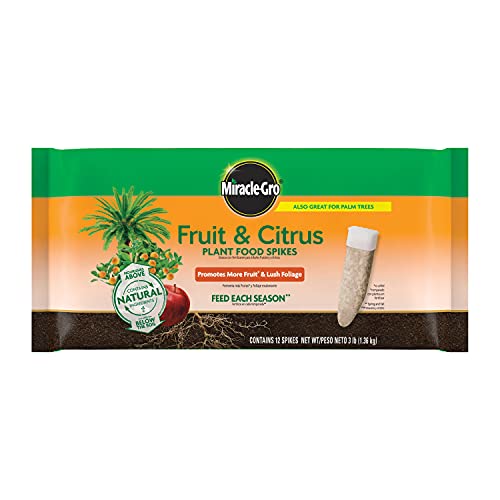
FORMULATED FOR CITRUS AND FRUIT TREES: Use these citrus fertilizer spikes on apple, orange, lemon, lime, and avocado trees; this formula is also great for feeding palm trees
Watering and Fertilization
Water banana trees regularly, especially during dry spells. Aim for 1 to 2 inches of water per week, adjusting based on rainfall. Use a balanced fertilizer every 4 to 6 weeks during the growing season. Select a formula with an N-P-K ratio of about 10-10-10. Organic options like compost or leaf mold also work well. Apply fertilizer around the base of the tree, avoiding direct contact with the trunk. Keep the soil moist but not soggy to promote healthy root development.
Pest and Disease Management
Monitor your banana tree for common pests such as aphids, spider mites, and banana weevils. For infestations, use insecticidal soap or neem oil to treat the affected areas. Look for signs of disease, including leaf spots and wilting. Fungal infections can be managed by ensuring good air circulation and avoiding overcrowding. If symptoms appear, remove affected leaves promptly and apply a fungicide if necessary. Regularly inspect your tree for any issues, as early detection simplifies treatment.
Conclusion
Growing your own banana tree can be a rewarding experience. With the right care and conditions you can enjoy fresh bananas in about 9 to 15 months. Remember to focus on providing warmth nutrient-rich soil and consistent watering to speed up the process.
Whether you choose a dwarf variety or a larger one like Cavendish each brings its unique charm to your garden. By staying vigilant against pests and diseases you’ll set your banana tree up for success. So get ready to nurture your tree and soon enough you’ll be savoring the fruits of your labor. Happy growing!
Frequently Asked Questions
How long does it take for banana trees to bear fruit?
Banana trees typically produce fruit within 9 to 15 months after planting. This timeframe can vary depending on the variety and growing conditions.
What factors influence the fruiting time of banana trees?
Key factors include the banana tree variety, climate conditions, soil quality, watering regimen, and sunlight exposure. Adjusting these elements can help speed up fruit production.
What are the different types of banana trees?
The main types include Cavendish, Apple Banana, Red Banana, and dwarf varieties. Each type has unique characteristics and suited growing conditions.
What are the optimal conditions for growing banana trees?
Banana trees thrive in warm climates with well-draining, nutrient-rich soil, consistent watering, and plenty of sunlight. These conditions enhance growth and fruit production.
How often should banana trees be watered?
Banana trees should be watered regularly, aiming for 1 to 2 inches of water per week. Maintaining consistent moisture is crucial for healthy growth.
What kind of fertilizer should I use for my banana trees?
A balanced fertilizer should be applied every 4 to 6 weeks during the growing season to support healthy growth and maximize fruit production.
How do I manage pests and diseases on banana trees?
Monitor for common pests and treat infestations with insecticidal soap or neem oil. Early detection of diseases and good air circulation help prevent fungal infections.
Can dwarf banana trees produce fruit faster?
Yes, dwarf varieties typically mature faster, producing fruit in about 9 to 12 months, compared to larger varieties like Cavendish, which may take longer.
