

Ever wondered how long it takes for those sweet, juicy honeydew melons to grow in your backyard? Picture this: you’re eagerly anticipating the moment when you can pluck a perfectly ripe melon straight from the vine. But how much time and patience does it actually require before you can enjoy the fruits of your labor?
In this article, we’ll explore the timeline of honeydew melon growth, from seed to harvest. You’ll discover the key stages of development and get a better understanding of what it takes to nurture these delicious fruits. By the end, you’ll be equipped with valuable insights to help you plan and care for your own honeydew melon patch successfully.
Key Takeaways
- Honeydew melon growth cycles: Understanding the stages of honeydew melon growth and factors influencing them is crucial for successful cultivation.
- Growing season variations: Local climate conditions impact the duration of honeydew melon growing seasons, requiring strategic planning for optimal development.
- Steps to cultivate: Select well-draining soil, maintain proper soil temperature for germination, and provide consistent watering to set up your honeydew melons for success.
- Monitoring development: Keep track of key milestones like seed germination, vine growth, flowering stage, fruit setting, ripening process to ensure a successful harvest.
- Factors affecting growth: Climate conditions, soil quality, pest management practices significantly influence honeydew melon growth; understanding and managing these factors are essential for maximizing yield.
Understanding Honeydew Melon Growth Cycles
Honeydew melons have distinct growth cycles that are influenced by various factors. By understanding these growth stages and the elements affecting them, you can optimize your cultivation practices for a successful harvest.
Growing Season Variations
In different regions, the growing season for honeydew melons can vary based on climate conditions. Warmer climates typically offer longer growing seasons, allowing for extended periods of growth and maturation. Conversely, cooler climates may have shorter growing seasons, necessitating strategic planning to ensure proper development within a limited timeframe. Understanding your local growing season is crucial for planning when to plant your honeydew melon seeds and anticipating their growth trajectory.
Factors Influencing Growth Time
Several factors play a significant role in determining how long honeydew melons take to grow from seed to harvest. These include soil quality, water availability, temperature fluctuations, sunlight exposure, and pest management practices. Optimal soil conditions rich in nutrients promote healthy root development and overall plant growth. Adequate watering at the right intervals ensures proper hydration throughout the growth cycle. Consistent exposure to sufficient sunlight aids in photosynthesis and fruit formation.
Maintaining a stable environment with minimal temperature fluctuations supports steady growth without stressors that could impede development. Implementing effective pest control measures safeguards the plants from potential damage or delays caused by pests infestations. By carefully managing these influencing factors, you can help expedite the growth process of your honeydew melons and increase the likelihood of a bountiful harvest.
Steps to Cultivate Honeydew Melons
Recommended Products
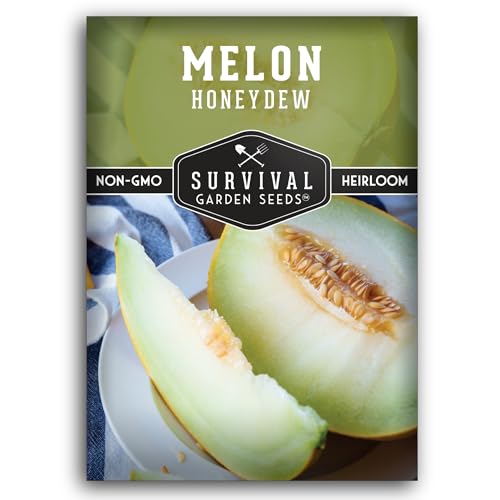
REFRESHINGLY SWEET MELONS – Classic honeydew flavor with smooth light green flesh that’s juicy and fragrant for sweet summer enjoyment straight from your own home garden vines

Beautiful - Large individual packet of Green Honeydew Melon (Cucumis melo) seeds. Grow an abundant harvest of sweet melons. Each plant grows vigorously and produces 2-4 melons. Minimum of 1.5g per packet (about 50 seeds).

Appearance: Green honeydew melons have a distinctive pale green to light yellow rind that is smooth and often slightly waxy to the touch. The interior flesh is a vibrant, pale green and has a very juicy, almost gelatinous texture.
Choosing the Right Soil
To cultivate honeydew melons successfully, start by selecting well-draining soil with a pH level between 6.0 and 6.5. Sandy loam or loamy soils are ideal for honeydew melon growth as they offer good aeration and drainage, preventing waterlogging that can harm the plants.
Planting and Watering Techniques
When planting honeydew melon seeds, ensure the soil temperature is at least 70°F (21°C) for optimal germination. Space the seeds about 2 inches apart in rows that are around 4-6 feet apart to allow ample room for vine expansion. Once planted, provide consistent watering, ensuring the soil remains moist but not waterlogged. As the vines grow, consider mulching around the plants to retain moisture and suppress weed growth.
By following these steps on choosing the right soil and implementing proper planting and watering techniques, you’ll set your honeydew melon crop up for success.
Monitoring Honeydew Melon Development
When growing honeydew melons, it’s crucial to monitor their development closely to ensure a successful harvest. By keeping track of key milestones in melon growth and recognizing the signs indicating readiness for harvest, you can optimize your cultivation practices.
Key Milestones in Melon Growth
- Seed Germination: This initial stage marks the beginning of a honeydew melon’s growth journey. Seeds typically germinate within 7-10 days when kept in warm soil with proper moisture levels.
- Vine Growth: As the plant matures, you’ll observe vigorous vine growth spreading across your garden or trellis. Providing adequate support for the vines ensures healthy development.
- Flowering Stage: The appearance of bright yellow flowers indicates that your honeydew melon plant is ready for pollination. Bees and other pollinators play a vital role in this process.
- Fruit Setting: After successful pollination, small fruits will start forming on the vines. These baby melons will gradually grow into mature honeydews over time.
- Ripening Process: Monitoring changes in fruit color, texture, and aroma helps determine the optimal time for harvesting ripe honeydew melons. They should have a sweet fragrance and yield slightly to gentle pressure when ripe.
- Color Change: Ripe honeydew melons exhibit a creamy yellow color with hints of green on their skin. Avoid harvesting overly green melons as they may not ripen further after picking.
- Texture Test: Gently press the blossom end of the melon; if it slightly gives without being too soft, it’s likely ready for harvest.
- Aroma Detection: A fragrant smell near the stem end indicates that the honeydew is ripe and flavorful.
- Drying Tendril: Check if the curly tendril closest to the fruit has turned brown and dried up; this signals maturity and readiness for picking.
Factors That Affect Honeydew Melon Growth
Understanding the key factors that influence the growth of honeydew melons is crucial for successful cultivation. Factors such as climate conditions, soil quality, and pest management practices play significant roles in determining the growth and yield of these delicious fruits.
Recommended Products

EASIER SEED STARTING: Our Burpee SuperSeed tray with 36 flexible pop-out cells is designed to simplify indoor seed starting for all your favorite vegetables, flowers and herbs. Just add seed starting mix, seeds, water and light to get growing! Rows are labeled alphanumerically for seedling identification with included Plant-o-Gram diagram. Tray dimensions: 11.5" x 10-3/8" x 2-1/4"

TRUSTED VARIETY - Popular honeydew seeds used by gardeners for years. Yellow/Tan rind at maturity with a beautiful green colored flesh.
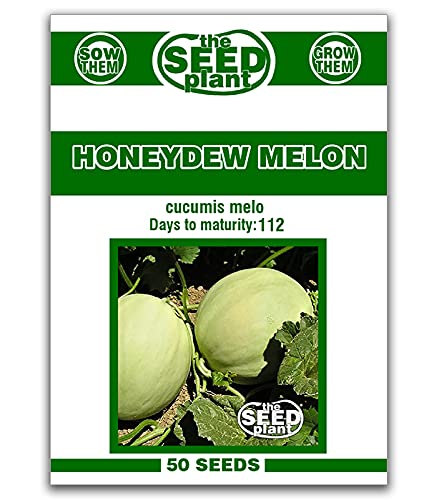
Packaged for envelope delivery.
Climate Impact
The climate has a profound impact on the growth of honeydew melons. These fruits thrive in warm temperatures and require plenty of sunlight to grow and ripen properly. Consistent warmth promotes healthy vine growth, flowering, fruit setting, and eventual ripening. In regions with long summers and mild winters, honeydew melons tend to reach maturity faster compared to areas with shorter growing seasons.
Impact of Pests and Diseases
Pest management is essential for ensuring robust honeydew melon growth. Common pests like aphids, spider mites, and cucumber beetles can damage the plants and reduce fruit production if not controlled effectively. Implementing integrated pest management strategies that include regular monitoring, using natural predators, employing physical barriers, or applying organic pesticides can help protect your honeydew melon crop from infestations.
Diseases such as powdery mildew or fusarium wilt can also hinder the growth of honeydew melons. Proper sanitation practices, adequate spacing between plants for airflow, selecting disease-resistant varieties, and avoiding overhead watering can help prevent diseases from affecting your crop.
By paying attention to these critical factors—climate conditions impacting growth rates and effective pest and disease management practices—you can optimize the growth potential of your honeydew melon plants for a bountiful harvest.
Conclusion
Growing honeydew melons requires attention to various factors like soil quality, water supply, temperature, and pest control. Understanding the growth stages and monitoring development milestones are crucial for a successful harvest. Remember to choose well-draining soil, plant at optimal temperatures, space seeds adequately, and maintain consistent watering. Keep an eye out for signs of readiness for harvest such as color change, texture, aroma, and tendril drying. Climate conditions play a significant role in honeydew melon growth; warm temperatures and sunlight are essential for proper development. Implementing effective pest management strategies is key to protecting your crop from pests and diseases that can impede growth. By following these guidelines, you can cultivate healthy honeydew melons in your garden successfully.
Frequently Asked Questions
Q: What are the key factors influencing the growth of honeydew melons?
A: Climate conditions, soil quality, water availability, temperature fluctuations, sunlight exposure, and pest management practices play crucial roles in honeydew melon growth.
Q: What steps are essential for cultivating honeydew melons successfully?
A: Selecting well-draining soil with the right pH level, planting seeds at optimal temperatures, spacing them adequately, and ensuring consistent watering are vital steps for cultivation.
Q: What are the key milestones in the growth stages of honeydew melons?
A: Key milestones include seed germination, vine growth, flowering stage, fruit setting, and ripening process during the growth stages of honeydew melons.
Q: How can one identify when honeydew melons are ready for harvest?
A: Signs like color change, texture, aroma development, and tendril drying indicate readiness for harvesting ripe honeydew melons.
Q: Why is understanding climate conditions important for growing honeydew melons?
A: Warm temperatures and adequate sunlight exposure are essential for proper development and growth of honeydew melons.
