

Have you ever wondered how long it takes for guava trees to bear fruit? If you’re thinking about planting one or already have a young tree, you’re probably eager to enjoy those sweet, juicy fruits. The wait can feel long, especially when you’re dreaming of fresh guava in your recipes or as a snack.
Understanding the timeline for guava trees to start producing fruit can help set your expectations and guide you in caring for your tree. This article will break down the factors that influence fruiting time, so you can plan accordingly. Whether you’re a seasoned gardener or just starting out, you’ll find valuable tips to help you nurture your guava tree and enjoy its delicious rewards.
Key Takeaways
- Guava trees typically take 2 to 5 years to start producing fruit, depending on the variety chosen—Common Guava may fruit in 2 to 4 years, while Pineapple Guava can take 4 to 5 years.
- Ideal growing conditions for guava trees include full sunlight for 6 to 8 hours daily, and well-draining, sandy loam soil to promote healthy root development.
- Regular maintenance practices such as pruning, using a balanced fertilizer, and monitoring for pests are crucial for encouraging quicker fruit production.
- Seedlings generally take 3 to 5 years to fruit, whereas grafted trees may bear fruit within 2 to 3 years, making grafted varieties preferable for quicker harvests.
- Environmental factors, such as maintaining a warm climate (between 70°F and 90°F) and avoiding waterlogged soil, significantly influence the fruiting timeline of guava trees.
- Understanding the unique growth characteristics and specific requirements of your guava tree can help you manage expectations and enhance your gardening success.
Understanding Guava Trees
Guava trees belong to the Myrtaceae family and are popular for their sweet, aromatic fruits. These tropical and subtropical trees thrive in warm climates, and their adaptability makes them an excellent choice for home gardens.
Growth Characteristics
Guava trees generally grow to heights of 10 to 30 feet. Some varieties remain smaller, ideal for containers. The plants feature smooth, green leaves that can reach several inches long. Notably, they exhibit attractive white or pink flowers, which develop into fruit.
Types of Guava Trees
Various guava varieties exist, each impacting fruiting time:
- Common Guava: Hardy and fast-growing, this variety typically bears fruit in 2 to 4 years.
- Pineapple Guava: Takes longer to fruit, often around 4 to 5 years.
- Strawberry Guava: Produces fruit in 2 to 3 years, known for its small, flavorful berries.
Ideal Growing Conditions
To achieve optimal growth and fruiting, consider the following:
- Soil: Guava trees prefer well-draining, sandy loam soil. Amendments can enhance drainage.
- Sunlight: Full sunlight, around 6 to 8 hours daily, promotes healthy growth.
- Water: Regular watering during dry spells is crucial. Allow the soil to dry slightly between watering.
Anticipated Fruiting Timeline
For new guava trees, the typical fruiting timeline varies based on the chosen variety and your care methods.
| Guava Variety | Fruiting Time (Years) |
|---|---|
| Common Guava | 2 to 4 |
| Pineapple Guava | 4 to 5 |
| Strawberry Guava | 2 to 3 |
Tips for Encouraging Fruiting
You can enhance fruit production with the following practices:
- Pruning: Regular pruning encourages bushy growth and better yields.
- Fertilizing: Use a balanced fertilizer during the growing season to provide essential nutrients.
- Pest Control: Monitor your tree for pests. Healthy trees produce better fruit.
By understanding these characteristics and following best practices, you can enjoy a bountiful guava harvest in no time.
Factors Affecting Fruiting Time
Understanding the factors that affect the fruiting time of guava trees helps set realistic expectations for gardeners. Several key elements influence how quickly these trees yield fruit.
Recommended Products

Supports Flowering & Fruit Production – Helps encourage strong flowering, fruit set, and consistent guava development.

Miracle-Gro Shake 'N Feed Citrus, Avocado, Mango Plant Food contains added potassium, magnesium, sulfur, and iron to help improve common nutrient deficiencies

Let our professionally formulated plant food help your fruit tree grow healthy, strong AND abundantly producing
Variety of Guava Trees
Different varieties of guava trees come with distinct fruiting timelines. Common Guava typically fruits within 2 to 3 years, while Pineapple Guava may take about 4 to 5 years. Strawberry Guava, on the other hand, can also take up to 4 years before it starts producing fruit. Selecting a specific variety that aligns with your time frame for harvesting can impact your experience.
Growing Conditions
Growing conditions play a vital role in how quickly your guava trees bear fruit. Guava trees thrive in warm climates—temperatures between 70°F and 90°F promote optimal growth. They prefer full sunlight for at least 6 to 8 hours daily. Additionally, well-draining soil rich in organic matter supports healthy roots. If your soil retains too much moisture, it may hinder fruit development.
Care and Maintenance
Proper care and maintenance significantly influence fruiting time. Regular watering helps maintain soil moisture but avoid waterlogging. Fertilizing your guava trees with balanced fertilizers every 6 to 8 weeks during the growing season promotes vigorous growth and quicker fruiting. Pruning weak or overcrowded branches improves air circulation and sunlight access, encouraging more fruit production. Monitoring for pests and diseases also ensures that the tree remains healthy and productive.
By focusing on these factors, you can enhance your guava tree’s chances of bearing fruit sooner.
Typical Timeline for Fruiting
Guava trees can take different amounts of time to produce fruit based on their starting form and growth conditions.
Recommended Products
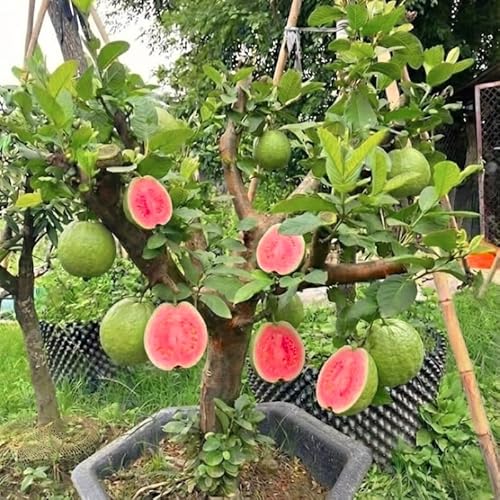
Approximately 4 feet (120 cm) tall in a pot

3 Years Old Pink Guava Tree 2 Feet Tall Well-rooted, Fruiting Airlayered for Planting, Grafted Guava Trees Live Plant

This Live Ruby Grafted Guava Tree is a fruit tree perfect for home gardens and patios
Seedlings vs. Grafted Trees
Seedlings typically take longer to bear fruit compared to grafted trees. If you start with seedlings, expect a wait of 3 to 5 years before the first harvest. Grafted trees, however, often fruit within 2 to 3 years. Grafted varieties offer an advantage as they combine the strengths of different rootstocks for quicker growth and earlier fruiting.
Environmental Influences
Environmental factors play a crucial role in how quickly guava trees fruit. Optimal conditions promote faster fruit production. Guava trees thrive in warm climates, ideally between 70°F and 90°F. They require full sunlight for at least 6 to 8 hours daily. Soil quality matters too; well-draining soil rich in organic matter supports healthier growth and quicker fruiting. Regular watering and proper fertilization every 6 to 8 weeks can also enhance fruiting speed. Avoid frost-prone areas to prevent damage and delays in fruit production.
Tips for Encouraging Fruiting
Encouraging guava trees to produce fruit involves careful attention to their growing conditions and maintenance practices. Implementing the following strategies can significantly enhance your tree’s fruiting potential.
Recommended Products

Accurate Soil pH Testing: Dewildetradingco Soil pH Test Strips offer measurements of soil pH levels (pH 3.5-9). As an essential tool for every gardener and grower, these test strips help determine the optimal pH for various plants, such as outdoor plants, indoor plants, gardens, grass lawns, fruit trees, flowers, vegetables, and forest shrubs.

KNOW BEFORE YOU GROW | Grow the healthiest, sustainable lawn and garden with the most accurate and easy to use professional soil test kit on the market

Kindly NOTE: This soil tester can not be applied to test pH value of any other liquid. If the soil is too dry the indicator will not move, and water it before testing.
Soil Quality
Soil quality directly impacts your guava tree’s health and fruit production.
- Choose Well-Draining Soil: Ensure the soil allows excess water to drain away swiftly. Heavy, compacted soil can lead to root rot.
- Amend with Organic Matter: Mix in compost or well-rotted manure to improve soil structure and provide essential nutrients. Aim for a rich, organic mixture.
- Test Soil pH: Guava trees prefer a slightly acidic to neutral pH, ideally between 6.0 and 7.0. Use a home soil test kit to monitor levels and adjust as needed.
Pruning Techniques
Pruning plays a crucial role in fostering fruiting.
- Focus on Young Trees: Prune young guava trees to encourage a strong structure. Remove any weak or crowded branches to promote better air circulation and light penetration.
- Timing Matters: Conduct pruning during the tree’s dormant season, typically in late winter or early spring. This timing supports healthy growth as the tree awakens.
- Limit Haphazard Cuts: Cut back about one-third of the tree’s height to rejuvenate growth. Avoid excessive pruning, as maintaining some foliage supports photosynthesis.
Applying these recommended practices enhances the chances of your guava tree bearing fruit sooner and more abundantly.
Conclusion
Growing guava trees can be a rewarding experience as you watch them flourish and eventually bear fruit. By understanding the timelines and factors that influence fruiting you can set realistic expectations and create the perfect environment for your trees.
With the right care and attention you’ll not only enjoy the beauty of the guava tree but also the sweet rewards it offers. Remember to choose the right variety for your needs and stay consistent with your maintenance practices. Soon enough you’ll be savoring the delicious taste of homegrown guavas. Happy gardening!
Frequently Asked Questions
How long does it take for guava trees to bear fruit?
Guava trees typically take about 2 to 5 years to bear fruit, depending on the variety. Common Guava usually fruits within 2 to 3 years, while Pineapple and Strawberry Guavas may take 4 to 5 years.
What factors influence the fruiting time of guava trees?
The fruiting time of guava trees is influenced by the variety chosen, growing conditions like temperature and sunlight, and overall care, including soil quality, watering, and fertilization.
What is the ideal growing condition for guava trees?
Guava trees thrive in warm temperatures (70°F to 90°F), require 6 to 8 hours of full sunlight daily, and grow best in well-draining, organic-rich soil.
Should I choose seedlings or grafted guava trees?
Grafted guava trees generally fruit faster, within 2 to 3 years, while seedlings may take 3 to 5 years. Grafted trees usually have better growth characteristics.
What tips help encourage fruiting in guava trees?
To encourage fruiting, focus on well-draining soil, amend with organic matter, ensure slightly acidic to neutral pH, and apply balanced fertilizer every 6 to 8 weeks. Regular pruning also promotes healthy growth.
