

Have you ever wondered how long it takes for olive trees to bear fruit? If you’re thinking about planting your own olive tree or just curious about these beautiful plants, you’re not alone. Many people dream of harvesting fresh olives but often find themselves unsure about the timeline.
Key Takeaways
- Olive trees typically start producing fruit between 3 to 6 years, depending on the variety and care provided.
- Popular varieties include ‘Arbequina,’ yielding fruit in about 3 years, while ‘Kalamata’ may take closer to 6 years.
- Environmental conditions, such as climate and soil drainage, significantly affect fruit production; olive trees thrive in well-drained soil and full sunlight.
- Consistent care practices, including regular watering, fertilization in spring, and annual pruning, can accelerate the fruit-bearing process.
- Mature trees, usually around 10 years old, yield larger and more consistent crops compared to younger trees.
- Understanding the growth stages and optimal conditions is key for a successful olive harvest.
Overview of Olive Trees
Olive trees, scientifically known as Olea europaea, thrive in Mediterranean climates. These trees prefer well-drained soil and plenty of sunlight. Olive trees can grow up to 30 feet tall, but most are pruned to a manageable height for easier harvesting.
In terms of growth, you’ll notice a distinct timeline until they start producing fruit. Typically, olive trees take about 3 to 5 years to yield their first crop. However, this can vary based on several factors, including the variety of the tree and the care it receives.
When planting, consider typical varieties like ‘Arbequina’, ‘Kalamata’, or ‘Frantoio.’ ‘Arbequina’ is known for producing olives in as little as 3 years, while ‘Kalamata’ may take closer to 5 or 6 years.
To optimize growth and fruit production, provide regular watering, especially during dry spells. Fertilizing with a balanced fertilizer in spring can enhance nutrient uptake and overall health. Pruning also plays a critical role, as it encourages new growth and improves air circulation.
Overall, with the right care and conditions, your olive tree can become a fruitful addition to your garden, yielding olives for your enjoyment after just a few years.
Factors Affecting Olive Tree Fruit Production
Several factors influence how long it takes for olive trees to produce fruit. Understanding these elements can help ensure a successful harvest.
Recommended Products

🌳Olive & Fruit Trees: 6-4-6 fertilizer for fruit trees—ideal olive tree fertilizer for potted & outdoor trees; supports healthy growth and fruiting.

2X MORE VALUE: 16 oz of Olive outdoor & indoor plant fertilizer makes 16 gallons of fruit tree spray, while the bigger size 32 oz bottle makes 32 gallons for lasting care of your olive tree live plant.

Made for Olive Trees - This olive tree fertilizer is formulated specifically to support healthy growth and long-term vitality in olive trees.
Age of the Tree
Age plays a significant role in fruit production. Olive trees generally start producing fruit between the ages of 3 and 6 years, depending on the variety. For example, ‘Arbequina’ often bears fruit in just 3 years, while ‘Kalamata’ may take up to 6 years. Mature trees, typically around 10 years old, yield more olives and often produce consistently each year. Keep in mind that older trees may require less care as they become more established.
Environmental Conditions
Environmental conditions directly impact olive tree fruiting. Olive trees thrive in Mediterranean climates, characterized by warm, dry summers and mild, wet winters. Ideal temperatures range between 60°F and 75°F. Olive trees require full sunlight for at least 6 hours a day. If your trees are planted in areas with too much moisture, excessive humidity, or extreme cold, their growth and fruit production may suffer. Proper drainage and well-drained soil are critical for optimal development.
Care and Maintenance
Proper care and maintenance can accelerate fruit production. Here are key practices to follow:
- Watering: Ensure regular watering, especially during dry spells. Young trees need frequent irrigation until established.
- Fertilization: Use a balanced fertilizer in spring to support healthy growth. Aim for a nitrogen-rich fertilizer that promotes foliage while allowing for fruit development.
- Pruning: Prune trees annually to remove dead or overcrowded branches. This practice enhances air circulation and light penetration, which can lead to better yields.
- Pest Control: Monitor for pests and diseases that can hinder fruit production. Implement organic pest management practices to protect your trees without harmful chemicals.
By careful consideration of these factors, you can significantly influence the timeline for your olive trees to bear fruit.
Growth Stages of Olive Trees
Olive trees grow through specific stages before they start producing fruit. Understanding these stages helps you manage expectations and plan for future harvests.
Recommended Products

Made for Olive Trees - This olive tree fertilizer is formulated specifically to support healthy growth and long-term vitality in olive trees.
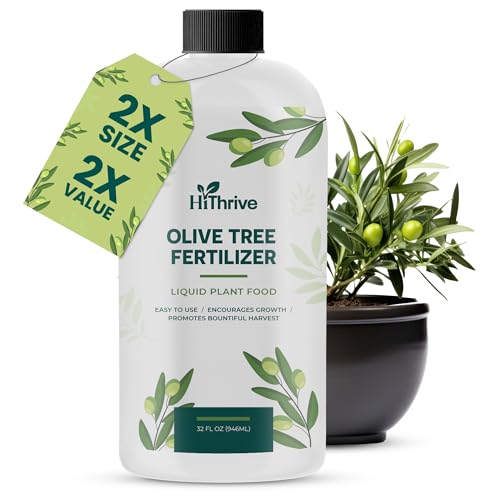
2X MORE VALUE: 16 oz of Olive outdoor & indoor plant fertilizer makes 16 gallons of fruit tree spray, while the bigger size 32 oz bottle makes 32 gallons for lasting care of your olive tree live plant.

Package contains 4 Pounds organic fruit and citrus fertilizer grains and is produced to avoid wasteful runoff, mess, hazards and smells
Planting and Initial Growth
Plant your olive tree in well-drained soil and a sunny location. This environment promotes quick establishment. Expect rapid growth during the first couple of years. In this phase, focus on proper watering and minimal fertilization. This supports root development without stressing the young tree. After about 2 to 3 years, your olive tree should be well-established and ready to transition into the next stage.
Maturity and Flowering
Your olive tree reaches maturity between 3 and 6 years. During this time, it develops flowers that can eventually turn into olives. During flowering, maintain consistent watering and apply balanced fertilizers in early spring to encourage healthy blooms. Note that some varieties bloom more reliably than others. For instance, ‘Arbequina’ trees are known for their early and abundant flowering, while ‘Kalamata’ may need more time to establish sufficient blossoms. Patience is key, as fully ripe olives won’t appear until the tree has consistently matured and adapted to its environment.
Typical Timeline for Fruit Production
Olive trees produce fruit based on several factors, including age, variety, and care practices. Understanding this timeline helps set realistic expectations for your harvest.
Recommended Products

Specifically Formulated for Olive Trees: This potting mix is designed to replicate Mediterranean conditions, balancing moisture retention and drainage for strong roots and healthy growth, indoors and outdoors.

🌳 OLIVE OPULENCE: Specifically formulated for indoor olive trees, our 3-1-2 Liquid Fertilizer Concentrate provides the ideal balance of nitrogen, phosphorus, and potassium. This ensures your olive tree remains lush, vibrant, and on the path to bearing fruit.

100% Natural: Special custom blend for olive trees in containers
Age of the Tree
- 3 to 6 Years: Most olive trees start producing fruit at this age. Early varieties, like ‘Arbequina,’ may yield olives in just 3 years, while others, such as ‘Kalamata,’ typically take 5 to 6 years.
- 6 Years and Older: Mature trees generally produce larger and more consistent crops. Expect increased yield and better quality olives as the tree matures.
Variety Impact
Different olive varieties exhibit varying timelines for fruit production. Here’s a quick look at a few popular options:
| Variety | Time to First Harvest |
|---|---|
| ‘Arbequina’ | 3 years |
| ‘Kalamata’ | 5 to 6 years |
| ‘Manzanilla’ | 3 to 4 years |
| ‘Frantoio’ | 4 to 5 years |
Optimal Conditions
Environmental factors significantly affect how quickly olive trees bear fruit. Key conditions include:
- Climate: Olive trees thrive in Mediterranean or subtropical climates. Adequate sunlight helps with flowering, essential for fruit development.
- Soil Drainage: Well-drained soil prevents root rot and promotes healthy growth. Test your soil’s drainage to ensure it’s suitable for olive trees.
Care Practices
Proper care accelerates fruit production. Follow these guidelines:
- Watering: Consistent, deep watering supports growth. Don’t let roots dry out, especially during dry periods.
- Fertilization: Use balanced fertilizers in spring to provide necessary nutrients. This enhances growth and fruit-setting ability.
- Pruning: Annual pruning encourages new growth and improves air circulation. Focus on removing dead or overcrowded branches.
By recognizing these timelines and factors, you can foster a productive olive tree with fruitful harvests to enjoy.
Conclusion
Growing your own olive trees can be an exciting journey. With a little patience and the right care you can look forward to enjoying fresh olives in just a few years. Remember that factors like tree variety and environmental conditions play a big role in how quickly your trees will bear fruit.
By providing consistent watering balanced fertilization and proper pruning you’ll set the stage for a fruitful harvest. So whether you choose an early variety like ‘Arbequina’ or wait a bit longer for ‘Kalamata’ your efforts will pay off once those olives start appearing. Embrace the process and enjoy watching your olive trees thrive!
Frequently Asked Questions
How long does it take for olive trees to bear fruit?
Olive trees typically start producing fruit between 3 to 6 years after planting. Early-bearing varieties like ‘Arbequina’ can yield olives in as little as 3 years, while others such as ‘Kalamata’ may take about 5 to 6 years.
What conditions do olive trees need to thrive?
Olive trees flourish in Mediterranean climates with well-drained soil and ample sunlight. They require consistent watering, especially during dry periods, and should be fertilized in spring for optimal growth and fruit production.
How can I increase olive tree fruit production?
To enhance olive tree fruit production, ensure regular watering, apply balanced fertilizer in spring, and perform annual pruning. Proper care and maintenance are crucial to overcoming environmental challenges and maximizing the yield.
What factors influence olive tree fruit production?
Several factors influence olive tree fruit production, including the tree’s age, the quality of care it receives, and environmental conditions like temperature, sunlight, and soil drainage. Mature trees generally produce more consistently.
What are the growth stages of olive trees?
Olive trees undergo various growth stages, starting with initial planting where they need well-drained soil and sunlight. After 2 to 3 years, they mature between ages 3 to 6, during which they develop flowers that can turn into olives.
Do all olive tree varieties bear fruit at the same time?
No, different olive varieties have varying timelines for fruit production. For instance, ‘Arbequina’ may produce olives in 3 years, whereas ‘Kalamata’ typically takes 5 to 6 years. Understanding these differences is key to planning harvests.
